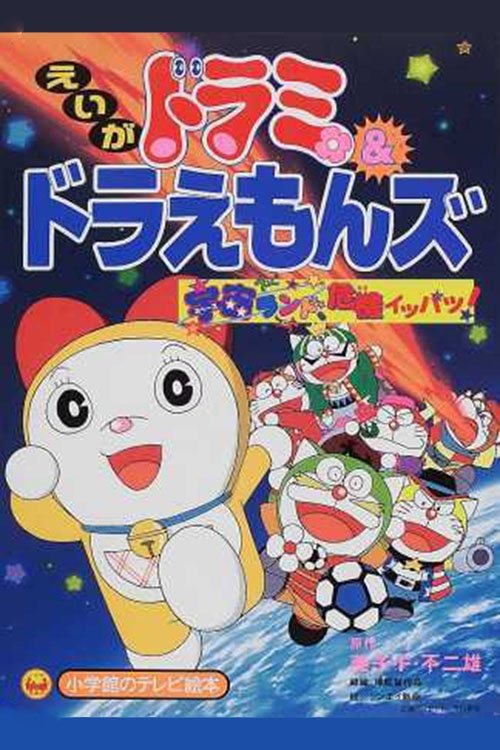
Dorami-chan & Doraemons: Space Land's Critical Event
2001
No user ratings available yet
Representation score: 3.9 out of 10
Representation Score
Good
1996
Director
Yoshitomo Yonetani
Runtime
31 minutes
Average Rating
No ratings yetNew Showbiz Analysis
This animated feature marks a significant shift for the franchise by placing Dorami as the central character. The film moves away from the usual male-centric storyline, offering a fresh perspective on the character ecosystem. While it doesn't explicitly represent underrepresented identities, it disrupts traditional gender roles through technological themes. Ultimately, the film provides a nuanced look at the Doraemon universe while staying within conventional storytelling.
Category Breakdown
The story centers on family bonds and platonic friendships, without showing same-sex relationships or non-straight/gender identities.
Dorami leads the investigation as the main character, breaking from the typical male-centric structure where she often supports others.
The cast is mostly uniform within its Japanese context, but non-human species and mechanical identities symbolize diversity.
The story highlights community and friendship using traditional Japanese storytelling methods, reinforcing social bonds within a conventional moral framework.
Characters are portrayed as fully functional robotic entities, with no depiction of neurodivergence or physical disabilities.
Present on Screen
Limited or Absent
Official Synopsis
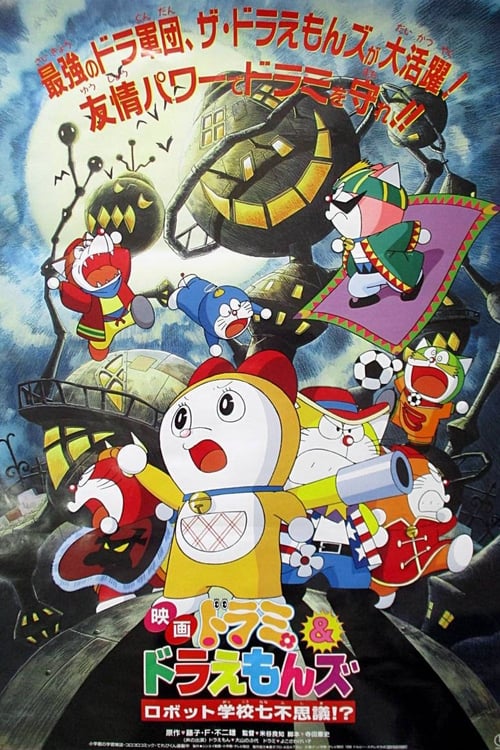
It is time for Doraemon's younger sister - Dorami-chan to graduate from the Robot School. But a mysterious wind sucks Doraemon and the principal away. Dorami escapes, and finds Doraemon's Good Friend Telepathy Card. This is a device Doraemon uses to communicate with his friends—collectively known as The Doraemons.
2001
2020
1989
1997

1999
1997
2000
1991
No reviews yet. Be the first to share your thoughts on this movie!
Use the rating form above to leave a star rating and optional review.