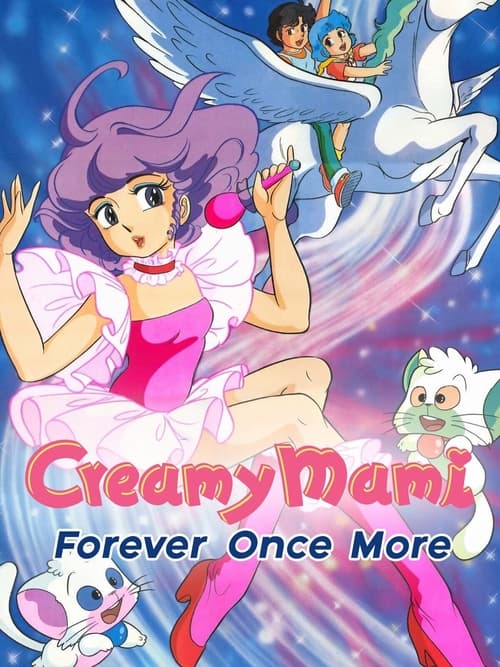
Creamy Mami: Forever Once More
1984
No user ratings available yet
Diversity score: 4.9 out of 10
1985
Director
Tomomi Mochizuki
Runtime
55 minutes
Average Rating
No ratings yetSynopsis
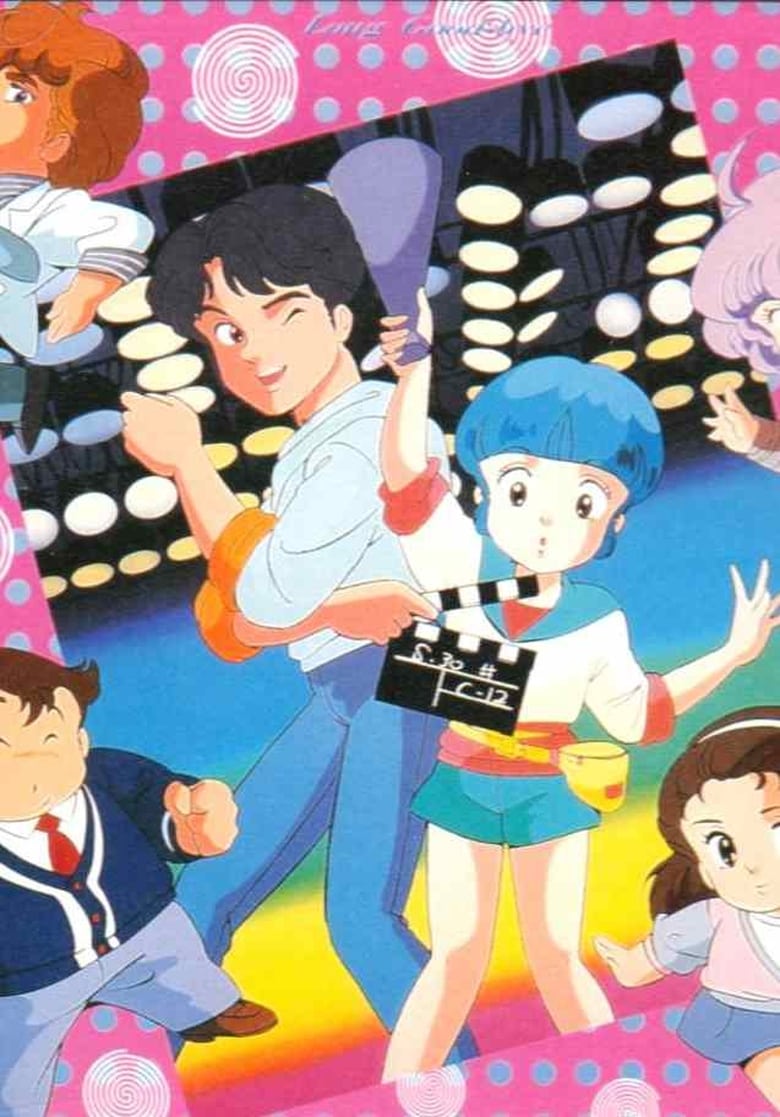
Shingo is planning the film "A Story of Two Worlds" starring Megumi. Yuu's transformation into Creamy Mami is happening without her wanting it. She is asked to star in the film too. But the magic doesn't last...
Overall Score
Fair
Category Breakdown
LGBTQ+ Representation
The film explores the tension between a performed persona and an authentic self. While it lacks explicit LGBTQ+ characters or romantic arcs, the theme of identity performance offers a resonant subtext.
Gender Representation
The narrative centers on female agency and the emotional journey of its protagonist. It subverts traditional hierarchies by focusing on a woman navigating the pressures of a male-dominated industry.
Racial & Ethnic Diversity
Set in a 1980s Japanese urban environment, the cast and setting are culturally homogeneous. The film maintains a consistent, culturally specific lens without seeking racial diversification.
Religious & Cultural Diversity
The story provides a nuanced critique of idol culture and the burdens of fame. It functions as a commentary on the pressures of celebrity within a capitalist social structure.
Disability Representation
There is no significant focus on visible or invisible disabilities. Characters exist within a standard socioeconomic framework without using disability as a plot device.
Strengths
Areas for Improvement
AI Analysis
Creamy Mami: Long Good-Bye distinguishes itself through a sophisticated deconstruction of the magical girl genre. By prioritizing the internal psychological transition from adolescence to adulthood, the film moves beyond simple fantasy tropes to explore the complexities of identity and autonomy. The film's primary strength is its gendered perspective, which centers on the female experience and professional agency. It effectively dismantles the 'idol' archetype to reveal the person beneath the spectacle, offering a mature look at womanhood. However, the work remains limited by its cultural homogeneity and lack of explicit intersectional representation. While the subtext of identity performance is rich, the absence of diverse racial or LGBTQ+ character arcs keeps the overall score in the moderate range.
1984

2009
1996

2013

2021
1988
1996
2010
1962

2005
1995

2007
No reviews yet. Be the first to share your thoughts on this movie!
Use the rating form above to leave a star rating and optional review.