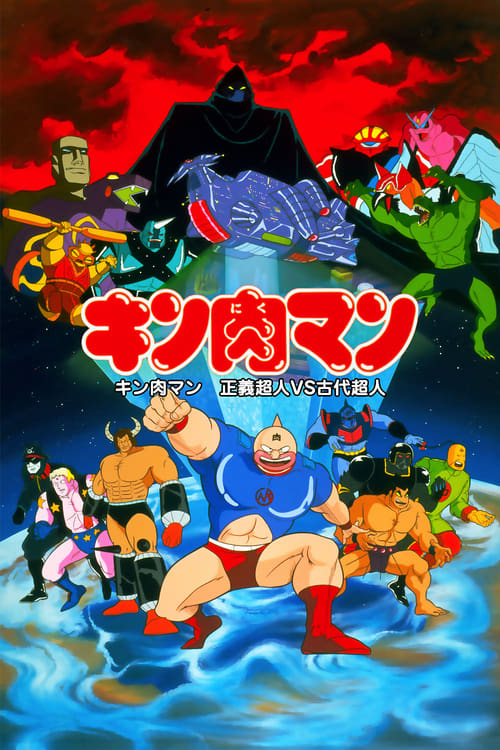
Kinnikuman: Justice Superman vs. Ancient Superman
1985
No user ratings available yet
Representation score: 4.2 out of 10
Representation Score
Limited
1984
Director
Takeshi Shirato
Runtime
48 minutes
Average Rating
No ratings yetNew Showbiz Analysis
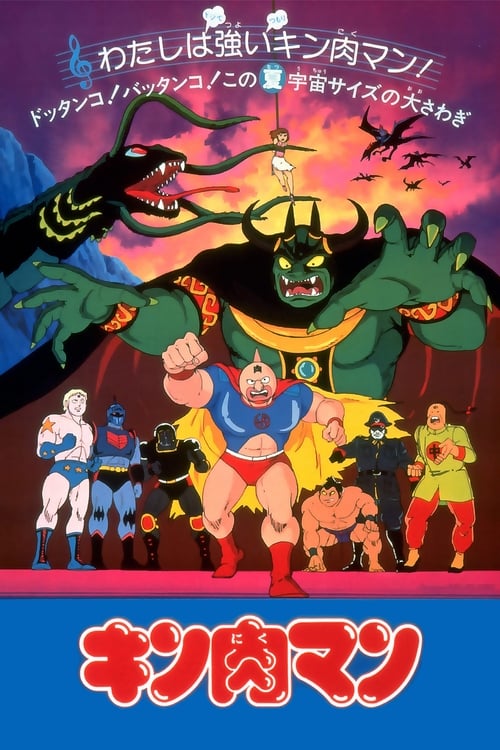
Kinnikuman: The Stolen Championship Belt is a quintessential 1980s action animation that prioritizes physical prowess and the restoration of order. While the film offers visual variety through its imaginative, non-humanoid character designs, these elements function as fantasy archetypes rather than meaningful social metaphors. The narrative relies heavily on traditional formulas, such as the hero's journey to rescue a female companion. This structure reinforces rigid gender roles and maintains a clear-cut moral binary centered on competitive honor. Ultimately, the film serves as a celebration of strength and meritocracy. It lacks the depth required to address complex social identities, focusing instead on the immediate stakes of the wrestling conflict.
Category Breakdown
The film does not explicitly depict LGBTQ+ identities or non-straight relationships. The narrative focuses solely on traditional romantic and gendered archetypes.
The story centers around a male-dominated hierarchy of fighters. While Mari serves as a plot catalyst, her role is largely reactive and lacks independent influence.
Diversity is expressed through speculative biology rather than human ethnicity. The non-humanoid Chojin designs disrupt conventional aesthetics but do not explore real-world cultural plurality.
The narrative celebrates the restoration of meritocratic order and traditional heroism. It focuses on individual honor and community rather than challenging established social institutions.
Representation is limited to the physical toll of combat. Injuries are treated as temporary obstacles to overcome through willpower rather than explorations of permanent disability.
Present on Screen
Limited or Absent
Official Synopsis
The first theatrical film of the anime series Kinnikuman. After winning the 21st Choujin Olympics, Kinnikuman plans to build his own theme park. As his friends and celebrities arrive, the sky grows dark and with a flash of lightning Kinnikuman's championship belt is gone. He then sees that it has been taken by Octopus Dragon III, who challenges him to take it back. Kinnikuman tries but fails and Mari is kidnapped. Octopus Dragon gives Kinnikuman a time limit to save her before she is fed to the monster Gigasaurus and then returns to his home world of Planet Metro (メトロ星, Metoro-sei). Despite his injuries, Kinnikuman is determined to go and reclaim his belt and Mari. Luckily, Terryman, Ramenman, Robin Mask, Warsman, Brocken Jr., and Rikishiman arrive to lend him a hand.
1985
1990
1993
1988
1989
1991
1986

1992
No reviews yet. Be the first to share your thoughts on this movie!
Use the rating form above to leave a star rating and optional review.