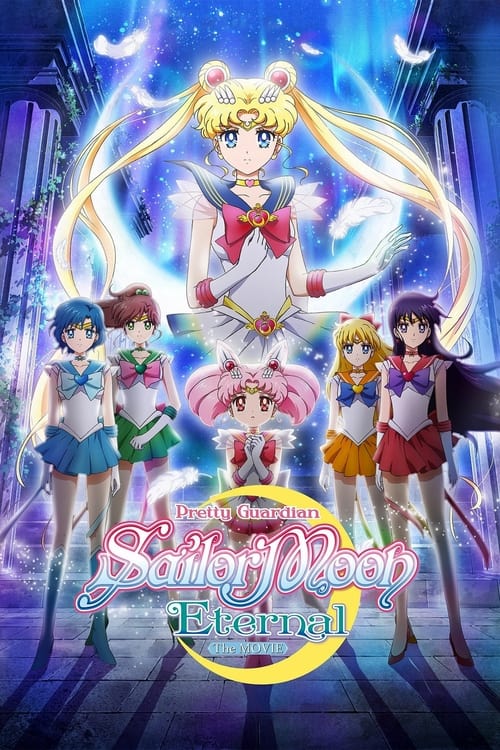
Pretty Guardian Sailor Moon Eternal the Movie Part 1
2021
No user ratings available yet
Representation score: 8.3 out of 10
Representation Score
Good
1993
TV-14Director
Kunihiko Ikuhara
Runtime
61 minutes
Average Rating
No ratings yetNew Showbiz Analysis
This film stands out for its emotionally complex narrative that prioritizes deep feelings over typical action sequences. By highlighting female leadership, it challenges traditional gender roles and showcases the Sailor Guardians' strength. Despite limitations due to the era's demographic uniformity and lack of explicit disability or ethnic diversity, the film excels through its rich themes. The reimagining of the villain role moves the story beyond simple good versus evil. Overall, the film uses a melancholic tone and personal conflicts to explore the complexities of human connections and suffering.
Category Breakdown
The film doesn't show explicit same-sex relationships or non-cisgender identities. However, the director uses intense emotional connections to hint at queer themes through strong bonds between characters.
The story focuses on a group of women who take charge and use their intelligence and emotions to drive the plot. It downplays traditional male leadership roles.
The cast is mostly made up of people from similar backgrounds, typical for the time period. The film avoids harmful stereotypes but doesn't have much racial or ethnic variety.
The film challenges traditional views of right and wrong by showing the antagonist as someone hurt by past experiences, rather than just a bad guy. This creates a more nuanced understanding of suffering.
There isn't much direct portrayal of physical or mental disabilities. The characters face internal struggles and existential burdens.
Present on Screen
Limited or Absent
Official Synopsis
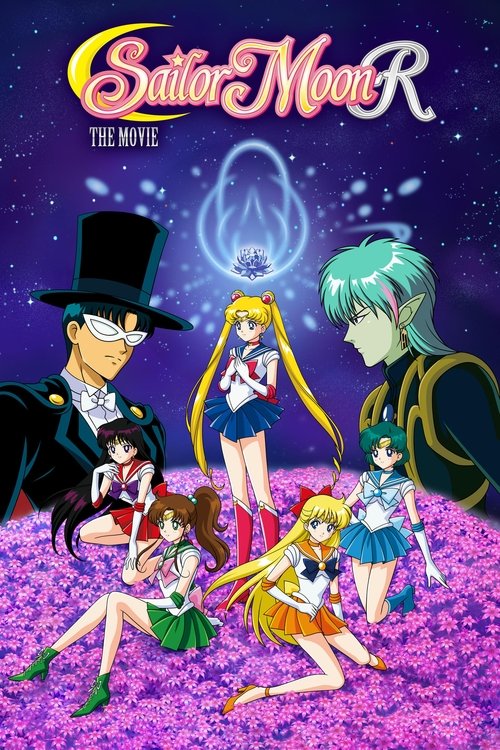
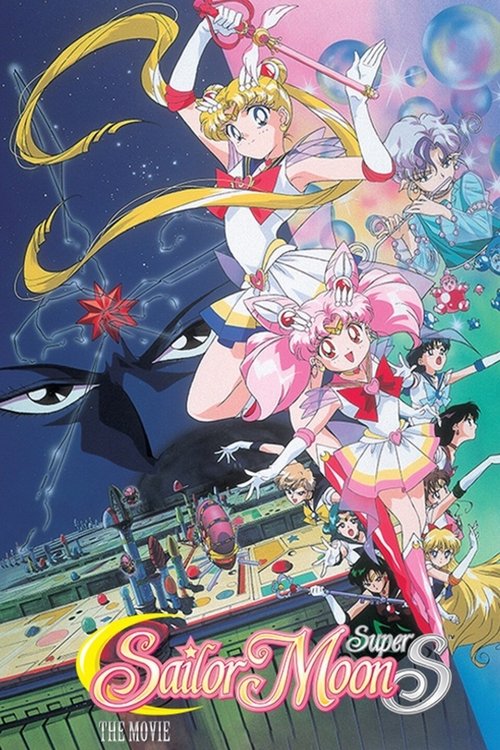
While enjoying the flower gardens, Sailor Moon and friends encounter an old childhood friend of Mamoru's: an alien! He's come back to give Mamoru a special flower but doesn't like Usagi and the rest of the planet's inhabitants. Sailor Moon must defend the earth from the evil Kisenian Flower he's brought back... before the evil vines and blossoms overrun the planet!
2021
1994
2021
2007
1995
1989
2014
2013
No reviews yet. Be the first to share your thoughts on this movie!
Use the rating form above to leave a star rating and optional review.