Broken English
1996
No user ratings available yet
Representation score: 4.2 out of 10

Representation Score
Fair
2015
Not RatedDirector
Martin Butler, Bentley Dean
Runtime
104 minutes
Average Rating
No ratings yetNew Showbiz Analysis
Tanna is a notable achievement in ethnographic cinema, primarily due to its strong commitment to racial and ethnic authenticity. By using an almost entirely Ni-Vanuatu cast and indigenous perspectives, the film effectively counters Western cinematic conventions. While the film excels in cultural immersion, it adheres closely to the traditional social hierarchies of the setting. This limits its impact on gender subversion and LGBTQ+ representation, as the story operates within established Melanesian social frameworks. Ultimately, the film's strength lies in its exploration of the tension between systemic tradition and personal autonomy, offering a nuanced look at identity while respecting cultural sovereignty.
Category Breakdown
The film centers on a traditional romantic relationship between the main characters and does not include non-cisgender identities or narratives that question the assumption that everyone is straight or cisgender.
The film highlights the protagonist's refusal of an arranged marriage, providing her with ability to act. However, it does not explicitly challenge traditional male leadership structures.
The film stands out for its authentic representation, featuring an almost entirely Ni-Vanuatu cast. It avoids the Western perspective by emphasizing local ability to act and oral traditions.
The film explores the tension between communal tribal laws and individual freedom, focusing on indigenous sovereignty and the importance of local customs.
There is no significant depiction of visible or invisible disabilities within the film.
Present on Screen
Limited or Absent
Official Synopsis
In a traditional tribal society in the South Pacific, a young girl, Wawa, falls in love with her chief’s grandson, Dain. When an inter-tribal war escalates, Wawa is unknowingly betrothed as part of a peace deal. The young lovers run away, refusing her arranged fate. They must choose between their hearts and the future of the tribe, while the villagers must wrestle with preserving their traditional culture and adapting it to the increasing outside demands for individual freedom.
1996
2018

2007

2018

1990
1931
2010
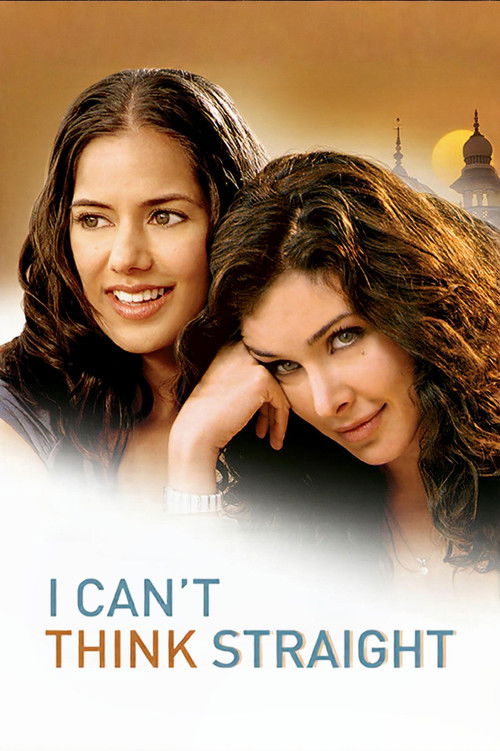
2008
No reviews yet. Be the first to share your thoughts on this movie!
Use the rating form above to leave a star rating and optional review.