Time
1995
No user ratings available yet
Representation score: 3.3 out of 10
Representation Score
Limited
1983
Director
Souleymane Cissé
Runtime
100 minutes
Average Rating
No ratings yetNew Showbiz Analysis
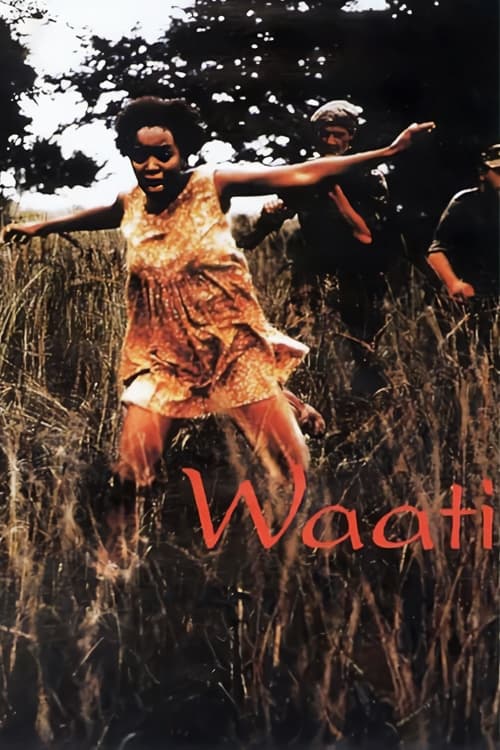
The Wind is a landmark in decolonial cinema that prioritizes African ability to act and indigenous rhythms over Western dramatic structures. It excels in racial and cultural authenticity by rejecting the outsider's viewpoint and centering Malian identity and ancestral wisdom. However, the film remains tied to traditional social hierarchies, limiting gender diversity and excluding LGBTQ+ narratives. Its strength lies in its philosophical depth and commitment to indigenous ability to act, setting it apart from Hollywood pacing.
Category Breakdown
The film does not include any queer narratives or characters with non-cisgender identities. It focuses on traditional rites of passage and social integration within a Malian framework.
The story centers on the growth and maturation of male characters within traditional social hierarchies. It reflects historical and cultural contexts without challenging traditional gender roles.
The film features a fully Malian cast and perspective, achieving high authenticity by rejecting the outsider's viewpoint and emphasizing local realities.
The story emphasizes spiritual connections and communal cohesion over Western individualistic themes. It provides a nuanced critique of modernity by focusing on ancestral wisdom and non-Western philosophies.
There are no prominent depictions of physical or neurodivergent disabilities used as central plot devices in this work.
Present on Screen
Limited or Absent
Official Synopsis
Two Malian teenagers, Bah and Batrou, from different backgrounds, meet at secondary school. Bah is the descendent of a great tribal chieftain. Batrous father, a provincial military governor, represents the new ruling power. The two teenagers are part of a generation that rejects the established order and challenges the society in which they live.
1995
1973
2022

2018
1994
2017
1989

2007
No reviews yet. Be the first to share your thoughts on this movie!
Use the rating form above to leave a star rating and optional review.