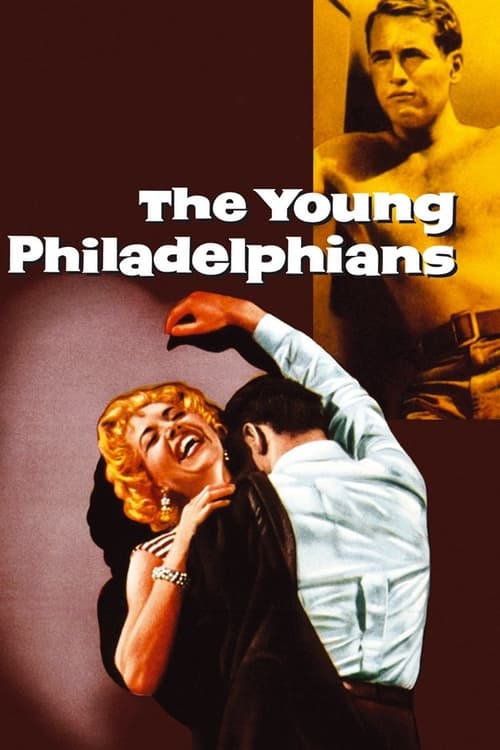
The Young Philadelphians
1959
No user ratings available yet
Diversity score: 1.5 out of 10

1961
ApprovedDirector
Vincent Sherman
Runtime
117 minutes
Average Rating
No ratings yetSynopsis
A judge, a district attorney and a U.S. senator, each hoping to be elected the next governor, attempt to manipulate a murder trial to advance their own political ambitions.
Overall Score
Limited
Category Breakdown
LGBTQ+ Representation
The film lacks any depiction of non-cisnormative identities or same-sex intimacy. It adheres to the strict social and censorship standards typical of the early 1960s.
Gender Representation
The narrative centers on a judge, a district attorney, and a senator, roles historically occupied by men. This structure reinforces traditional masculine leadership and professional hierarchies.
Racial & Ethnic Diversity
The film reflects the demographic homogeneity of the era's political landscape. It centers on a traditional Anglo-Saxon institutional framework without indication of diverse casting.
Religious & Cultural Diversity
The story critiques personal ambition within Western political institutions. However, it focuses on individual ethics rather than a systemic indictment of Western civilization or capitalism.
Disability Representation
There is no information regarding the inclusion or portrayal of characters with physical or neurodivergent disabilities.
Strengths
Areas for Improvement
AI Analysis
A Fever in the Blood is a mid-century political drama that prioritizes the mechanics of power and judicial integrity. The film operates within a traditional moral framework, focusing on the ethical compromises of men climbing the political ladder. Because it was produced in 1961, the film reinforces the social and cinematic constraints of its time. It functions as a genre-standard study of institutional corruption rather than a deconstruction of social hierarchies. The narrative lacks significant diversity, reflecting the demographic and social homogeneity of the American political landscape during the early 1960s.
1959
1953
1961
1974
1934

1961

1961

1971
1953
1979
1948

1962
No reviews yet. Be the first to share your thoughts on this movie!
Use the rating form above to leave a star rating and optional review.