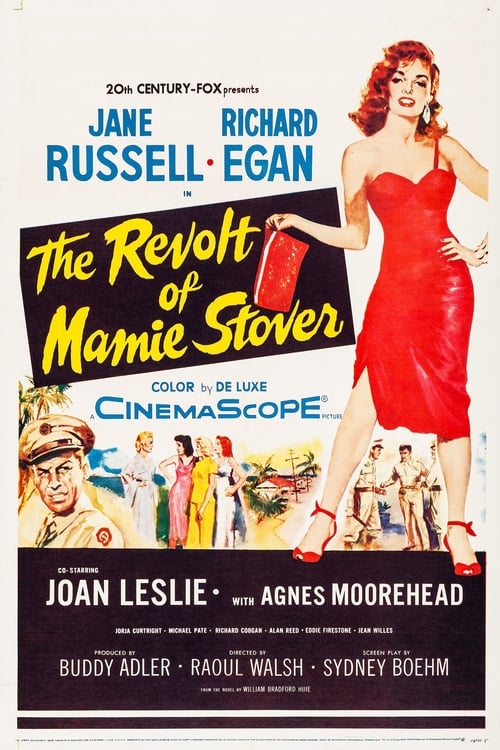
The Revolt of Mamie Stover
1956
No user ratings available yet
Diversity score: 4.3 out of 10
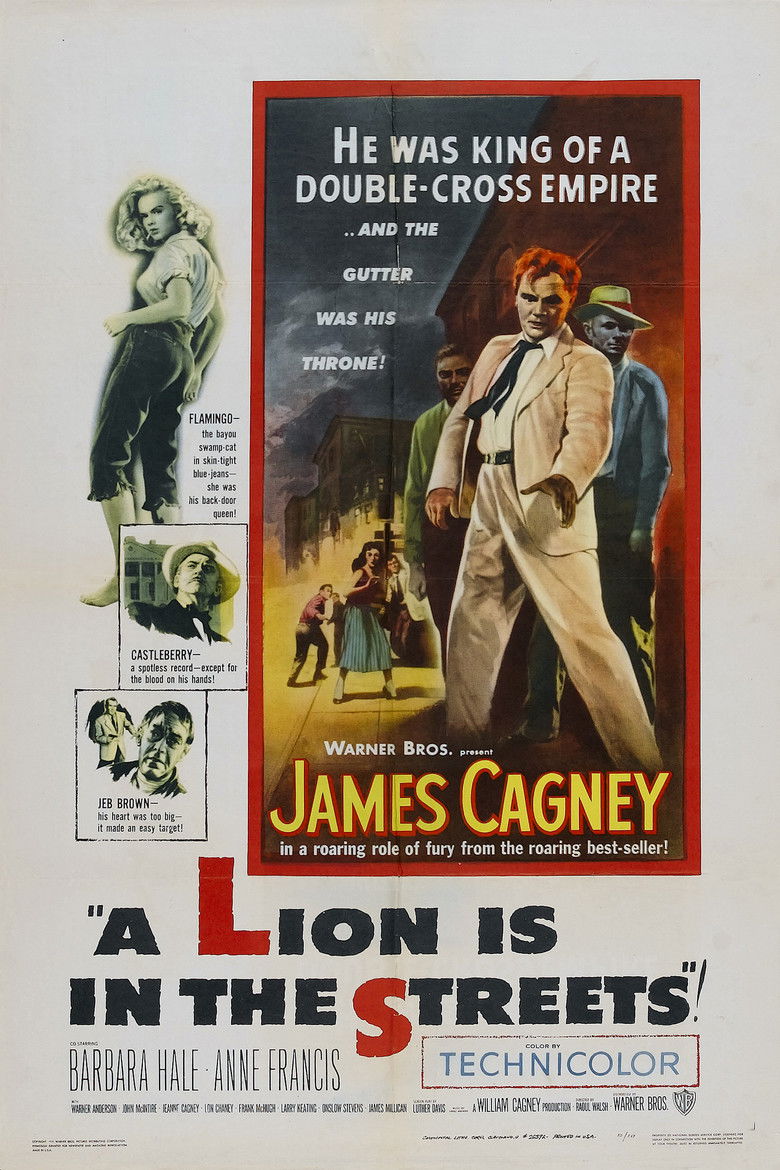
1953
NRDirector
Raoul Walsh
Runtime
88 minutes
Average Rating
No ratings yetSynopsis
A charismatic peddler from the Bayous finds his true calling in politics. Is he a demagogue in the making?
Overall Score
Limited
Category Breakdown
LGBTQ+ Representation
The film contains no depiction of queer identities or non-heteronormative subtext. The narrative adheres strictly to the traditional romantic and social structures of the 1950s.
Gender Representation
Female characters, including Joan Collins, navigate complex social hierarchies rather than falling into passive tropes. However, their agency remains largely constrained by the era's social environment.
Racial & Ethnic Diversity
The cast is predominantly white, reflecting the homogeneous social structures of the period. There is a notable absence of racial or ethnic diversity within the narrative.
Religious & Cultural Diversity
The story critiques small-town morality by portraying respectable citizens as hypocritical. This deconstruction challenges the perceived sanctity of traditional social institutions and moral codes.
Disability Representation
There are no characters whose narratives are defined by physical or neurodivergent disabilities. No visible or invisible impairments are portrayed with agency.
Strengths
Areas for Improvement
AI Analysis
A Lion Is in the Streets is a product of its mid-century historical context, resulting in minimal representation for LGBTQ+, racial, and disability groups. The film operates within the standard demographic norms of 1953 Hollywood. Despite these gaps, the film finds strength in its cultural critique. By framing the protagonist as an outsider, the narrative uses a noir-influenced cynicism to question the integrity of established community institutions and moral hypocrisy. Ultimately, while the film offers a sophisticated look at social friction and moral relativism, it lacks the intersectional depth necessary for a higher diversity rating.
1956

1945

1966
1961

1949

1961

1962

1958
1947
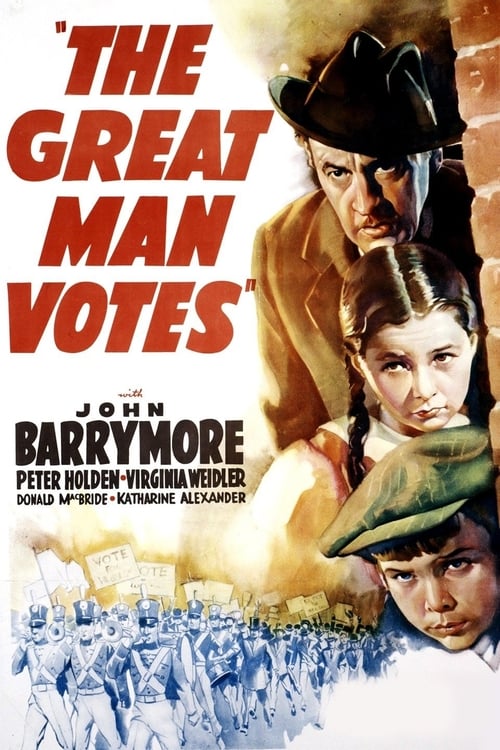
1939

1959

1950
No reviews yet. Be the first to share your thoughts on this movie!
Use the rating form above to leave a star rating and optional review.