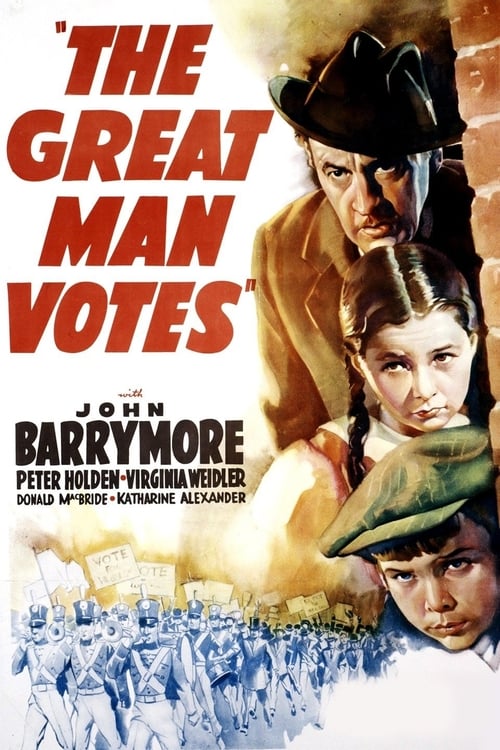
The Great Man Votes
1939
No user ratings available yet
Diversity score: 2.8 out of 10
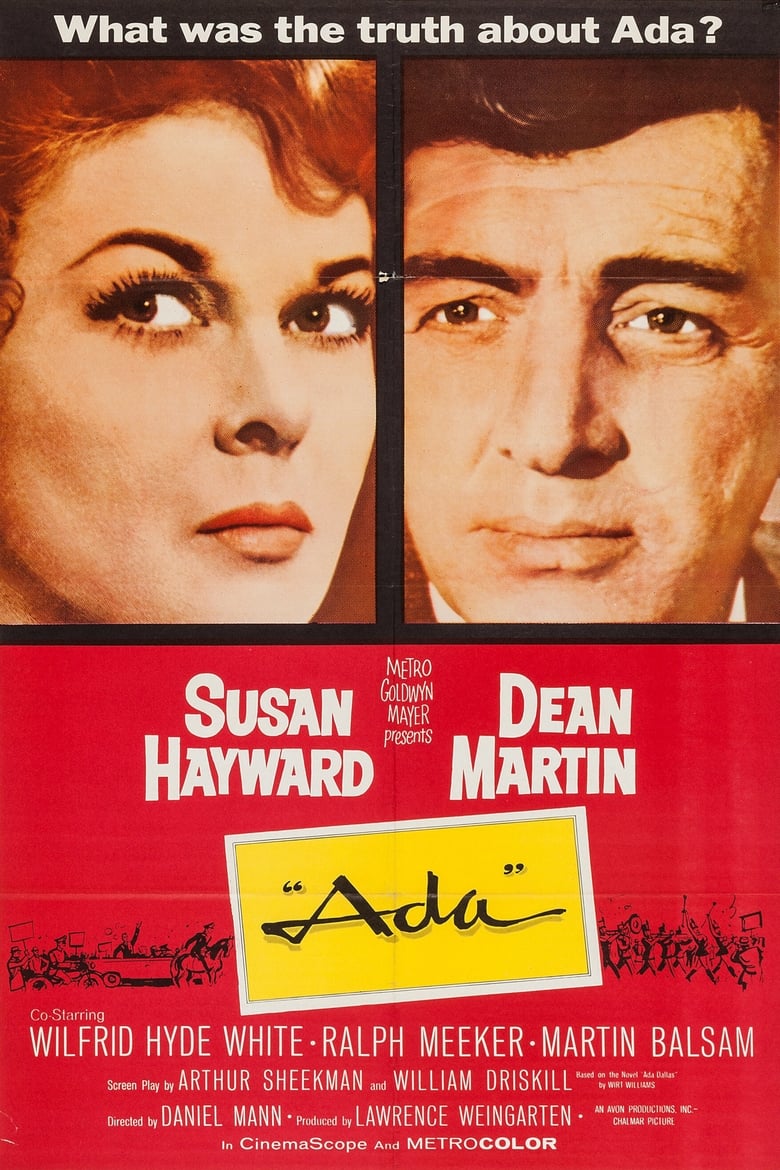
1961
Not RatedDirector
Daniel Mann
Runtime
109 minutes
Average Rating
No ratings yetSynopsis
A popular but naive country singer is elected governor of a southern state and, once in office, decides to dismantle the corrupt political machine that got him elected. Director Daniel Mann's 1961 political drama stars Susan Hayward, Dean Martin, Wilfred Hyde-White, Martin Balsam, Ralph Meeker, Connie Sawyer, William Walker, Ray Teal, Larry Gates and Kathryn Card.
Overall Score
Limited
Category Breakdown
LGBTQ+ Representation
The film adheres to the heteronormative social structures common in 1961 cinema. There is no evidence of non-cisnormative identities or same-sex intimacy within the narrative.
Gender Representation
Susan Hayward provides a strong female lead, suggesting a degree of agency. However, the film often frames women through the lens of social propriety and emotional labor.
Racial & Ethnic Diversity
Set in the American South, the film reflects the homogeneous casting patterns of its era. There is no indication of a non-white majority cast or diverse racial representation.
Religious & Cultural Diversity
The story critiques institutional corruption through the trope of an honest man fighting a political machine. It focuses on individual morality rather than systemic or anti-Western critique.
Disability Representation
The primary narrative arc contains no documented evidence regarding the portrayal of physical or neurodivergent disabilities.
Strengths
Areas for Improvement
AI Analysis
Ada is a traditional mid-century political drama that prioritizes historical realism over the subversion of social hierarchies. While it explores the disruption of a corrupt political machine, the film remains tethered to the demographic norms of the early 1960s. The narrative focuses on interpersonal psychological depth and individual morality. It functions as a character study of a naive singer turned governor, rather than a vehicle for intentional ideological messaging or identity-based representation. Ultimately, the film relies on conventional archetypes. It lacks the diversity of identity or the systemic critique required to move beyond the standard studio drama framework of its time.
1939
1961
1946
1956
1961

1959
1946

1962

1961
1959
1957
1961
No reviews yet. Be the first to share your thoughts on this movie!
Use the rating form above to leave a star rating and optional review.