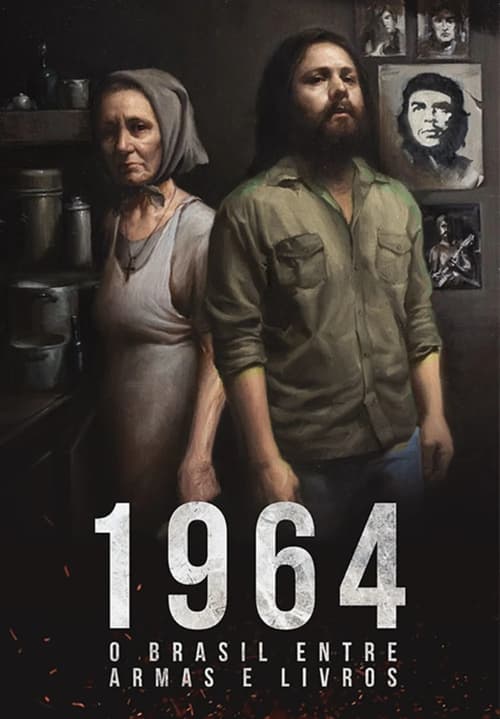
1964: Brazil between weapons and books
2019
No user ratings available yet
Representation score: 5.7 out of 10
Representation Score
Fair
2015
Director
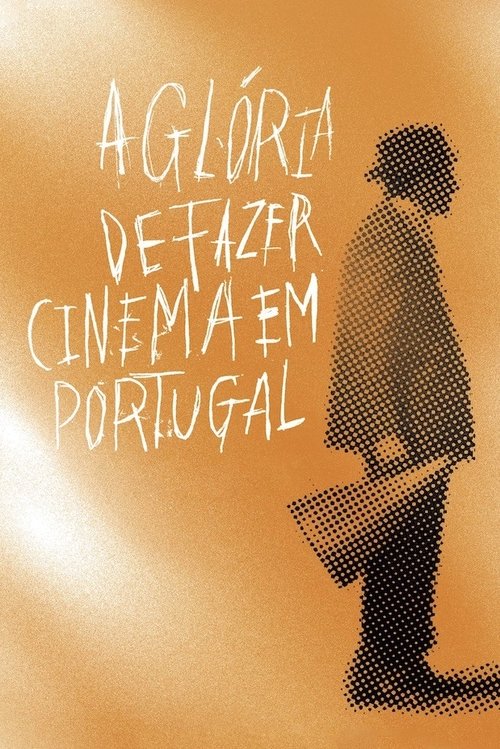
Manuel Mozos
Runtime
17 minutes
Average Rating
No ratings yetNew Showbiz Analysis
Manuel Mozos creates a historical investigation that focuses on recovering lost voices rather than challenging current social structures. The film uses the mystery of José Régio to connect past intentions with present understanding. While it may not meet today’s standards for diverse representation, it successfully addresses the silence of history by providing a thoughtful look at national cinematic heritage.
Category Breakdown
The film looks at historical letters from 1929, a time when social rules were very strict. While exploring these old letters can reveal hidden LGBTQ identities, the film doesn't show any direct examples of queer relationships or identities.
The story focuses on the career goals of José Régio. Although there is potential to highlight the role of women in cinema, the film mainly emphasizes the intellectual achievements of men.
As a study of Portuguese history, the film reflects the lack of racial diversity during that time. It aims to establish a specific national identity without challenging Eurocentric views.
The film explores historical memory and the conflict between creative intentions and institutional neglect. By presenting a mystery without a clear-cut solution, it avoids a simplistic moral message.
There is no indication that disability, neurodivergence, or physical impairments play a central role or character arc in this documentary.
Present on Screen
Limited or Absent
Official Synopsis
On 18 September 1929, José Régio sent a letter to Alberto Serpa expressing his desire to create a production company and start making films. For almost 90 years, nothing more was known: no reply was ever found and Régio never mentioned the subject again. The discovery of some old reels in a collector’s hoard seems to provide the ending to the story.
2019
2018
2013

2015

2016
2001

2011
2015
No reviews yet. Be the first to share your thoughts on this movie!
Use the rating form above to leave a star rating and optional review.