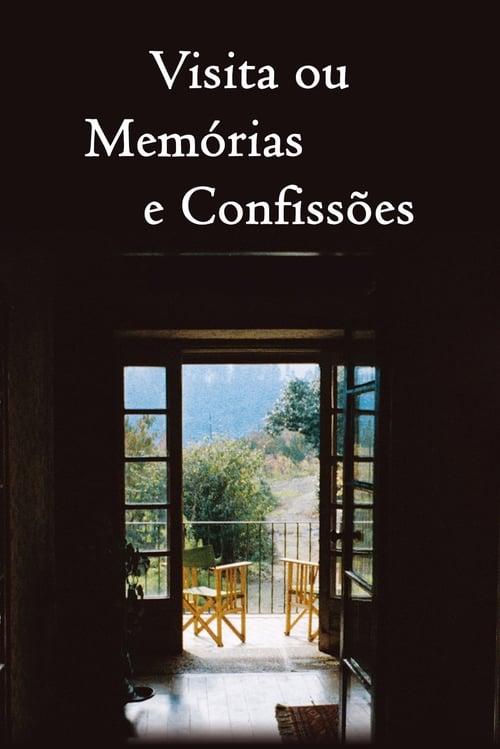
Visit, or Memories and Confessions
2015
No user ratings available yet
Representation score: 4.5 out of 10
Representation Score
Limited
2016
Director
João Botelho
Runtime
80 minutes
Average Rating
No ratings yetNew Showbiz Analysis
João Botelho’s documentary is a specialized work of cinematic essayism designed for intellectual reflection. It functions as an archival and biographical tribute to a singular artistic legacy rather than a vehicle for broad social representation. The film operates within a traditional scholarly framework, focusing on the relationship between two men. While it avoids harmful stereotypes, it does not actively seek to disrupt social hierarchies or prioritize diverse storytelling. Ultimately, the work is culturally specific to Portuguese cinema. Its purpose is the preservation of Oliveira's method and inventions rather than the promotion of progressive social frameworks.
Category Breakdown
The film serves as a meditative tribute to Manoel de Oliveira's aesthetic philosophy. It does not center on narratives involving LGBTQ+ identities or non-binary gender identities.
The narrative focuses on the intellectual history between two male filmmakers. It lacks substantial roles for women or the subversion of traditional gender roles.
The documentary maintains a visually and thematically homogeneous scope, reflecting a specific Portuguese cultural context without engaging in diverse storytelling.
The film explores spirituality through a personalized, non-dogmatic lens. It emphasizes subjective truth and the blending of documentary and fiction.
There is no focus on physical or neurodivergent representation. The subject matter centers on the intellectual aspects of cinema.
Present on Screen
Limited or Absent
Official Synopsis
“An old photograph taken 36 years ago. His hand rests on my shoulder. A blessing, a gift. Then a history of over four decades of friendship, admiration and apprenticeship. A journey into Oliveira’s cinema, his method, his way of filming and his extraordinary cinematic inventions. He lived for over a century, over a century of cinema, cinema in its entirety. For him, and for me too now, documentary and fiction films go hand in hand; it is all about cinema. So I had the audacity to film a magnificent story that Manoel loved but never filmed, one that he left behind as if his hand and eyes were close to God, or among the gods, and he was steering me.” - João Botelho
2015
2008
2005
1929

2003
2016
2015

2016
No reviews yet. Be the first to share your thoughts on this movie!
Use the rating form above to leave a star rating and optional review.