
The Glory of Filmmaking in Portugal
2015
No user ratings available yet
Representation score: 4.4 out of 10
Representation Score
Fair
2019
Director
Lucas Ferrugem, Filipe Valerim
Runtime
127 minutes
Average Rating
No ratings yetNew Showbiz Analysis
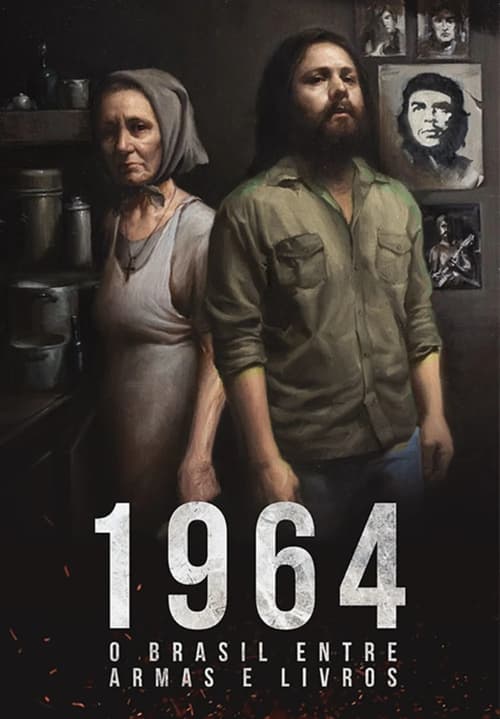
The documentary serves as a revisionist inquiry into the 1964 Brazilian coup. It prioritizes the deconstruction of national myths and the interrogation of systemic power structures through investigative journalism and newly discovered Soviet documents. While the film achieves high marks for cultural representation by challenging established institutional authority, it remains largely neutral regarding specific identity-based narratives. The focus is on geopolitical and state-level shifts rather than individual social identities. Ultimately, the work is a macro-political study. Its strength lies in its ability to disrupt traditionalist historical preservation, though it lacks specific evidence of diverse representation regarding gender, race, or LGBTQ+ identities.
Category Breakdown
The film focuses on macro-political history rather than specific LGBTQ+ identities. There is no explicit evidence of LGBTQ+ narratives or critiques of straight-centered state structures.
The narrative centers on a contrast between military authority and intellectual resistance. While masculine power dominates the era, the media investigation may highlight female intellectuals challenging the hierarchy.
The documentary engages with Brazil's complex racial landscape by investigating systemic shifts. It likely addresses how military regime policies impacted non-white populations during this period.
The film excels at institutional critique, disrupting traditional patriotic narratives. It uses Soviet documents and secret investigations to challenge Cold War-era geopolitical hierarchies and state-sanctioned history.
Disability and neurodivergence are not central themes or character arcs in this historical investigation. No evidence suggests these topics are addressed within the film's framework.
Present on Screen
Limited or Absent
Official Synopsis
We question the most unquestionable period in our history. The result was an international investigation with part of secret attempts, discovery of Soviet documents and a lot of investigation by the Brazilian media. It was all under our eyes.
2015
2019
2013
2019

2017
1967
2016
2019
No reviews yet. Be the first to share your thoughts on this movie!
Use the rating form above to leave a star rating and optional review.