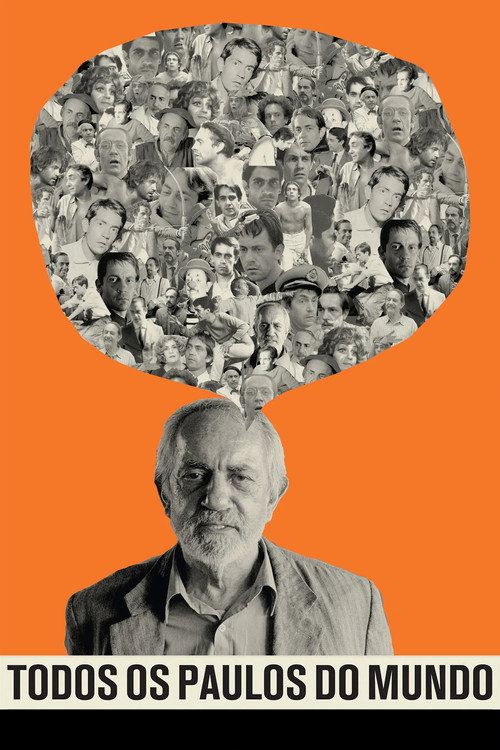
All Paulos in the World - Paulo José
2017
No user ratings available yet
Representation score: 5.3 out of 10
Representation Score
Fair
2015
Director
Manuel Mozos
Runtime
75 minutes
Average Rating
No ratings yetNew Showbiz Analysis
Manuel Mozos creates an intimate portrait that shifts the focus from institutional power to personal subjectivity. By highlighting a curator rather than a conqueror, the film challenges conventional masculine stereotypes. The work serves as a specialized cultural archive. While it doesn’t disrupt demographic norms aggressively, it excels in its philosophical approach to legacy and the preservation of art. Ultimately, the film’s diversity is found in its intellectual depth and its celebration of non-traditional contributions to culture and society.
Category Breakdown
The film provides a nuanced perspective on queer experiences through its focus on personal passion and artistry. Although it doesn't show intimate details, the narrative encourages viewers to consider non-traditional life stories.
The documentary focuses on a male figure but avoids typical masculine clichés by emphasizing the subject’s inner world and role as a cultural guardian.
The story stays within a specific European cultural context, functioning as a localized piece of cultural preservation without challenging racial hierarchies.
The film highlights a personal, secular approach to legacy by prioritizing intellectual and aesthetic values over traditional institutional structures.
There is no specific evidence regarding the portrayal of visible or invisible disabilities within the film's context.
Present on Screen
Limited or Absent
Official Synopsis
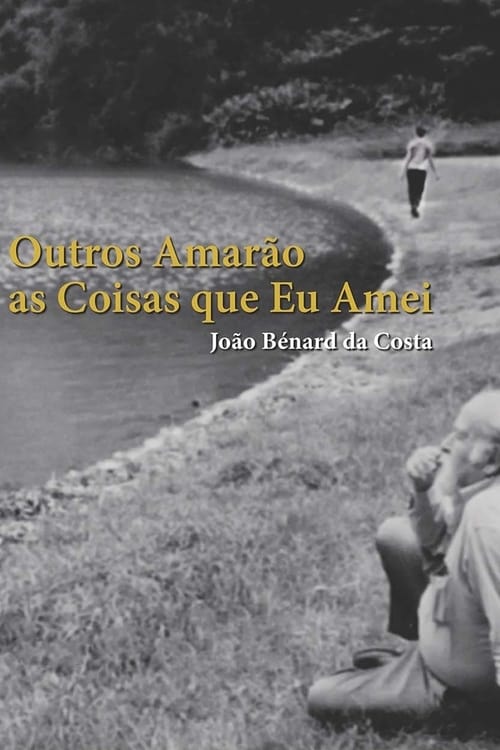
Director Manuel Mozos draws an intimate portrait of João Bénard da Costa, programmer, critic, actor and, for 18 years, director of the Portuguese Film Museum, who passed away in 2009.
2017
2008
2015
2005

2016
2007
2015
2022
No reviews yet. Be the first to share your thoughts on this movie!
Use the rating form above to leave a star rating and optional review.