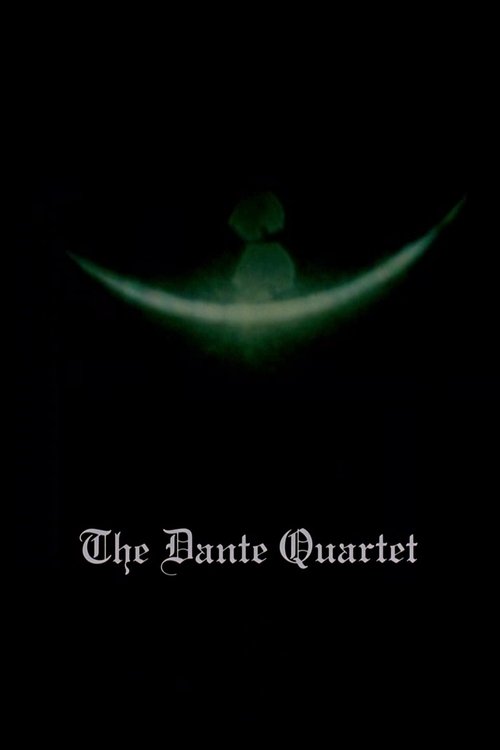
The Dante Quartet
1987
No user ratings available yet
Representation score: 7.2 out of 10
No Poster Available
Representation Score
Good
1965
Director
Lawrence Jordan
Runtime
13 minutes
Average Rating
No ratings yetNew Showbiz Analysis
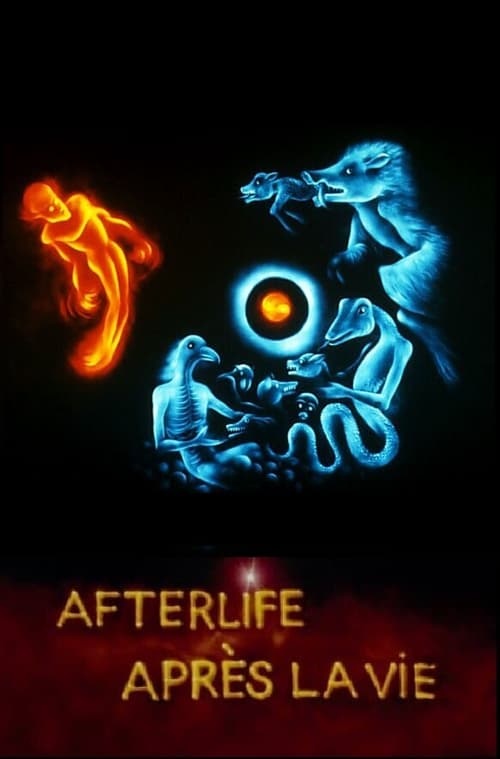
Lawrence Jordan’s animation is a formalist exploration of metaphysical concepts. Using a technique of controlled hallucination to animate static backgrounds, the film emphasizes subjective experience over traditional character development. Since the work functions as a visual poem about the afterlife, it lacks the usual characters needed for a standard assessment of social identity. It avoids mainstream social norms by operating in a dream-like, non-physical state. Ultimately, the film’s strength lies in its rejection of structured reality. It challenges social norms not through direct representation, but by removing the realist framework entirely.
Category Breakdown
The film examines the transition between life and death, suggesting a fluidity of existence. Though it doesn't show explicit queer relationships, its narrative structure challenges traditional gender norms by removing characters from earthly, gendered contexts.
The work focuses on metaphysical concepts rather than traditional gender roles. By emphasizing movement beyond physical forms, it avoids reinforcing typical masculine or feminine stereotypes.
The film uses surreal imagery and classical references instead of specific ethnic stories. Its abstract nature means it doesn’t rely on diverse casting to convey racial diversity.
The narrative centers on personal perception rather than organized religion. Through exploring life beyond death via controlled hallucinations, it favors a fluid, existential perspective over institutional traditions.
The film does not include characters with visible or hidden disabilities. However, its focus on altered states of consciousness offers a framework that acknowledges non-traditional sensory experiences.
Present on Screen
Limited or Absent
Official Synopsis
"The strangeness of this film is laced with carefully moulded apocalypses as the filmmaker explores a vision of life beyond death – the Elysian fields of Homer, Dante’s Purgatorio, de Chirico’s stitched plain. A moving single picture. Evolving the structure or script for the film involved a process of controlled hallucination, whereby I sat quietly without moving, looking at the background until the pieces began to move without my inventing things for them to do. I found that, given the chance, they really did have important business to attend to, and my job was to furnish them with the power of motion. I never deviated from this plan." —Canyon Cinema
1987
1964
1961

1971
1978
1967
1986
1965
No reviews yet. Be the first to share your thoughts on this movie!
Use the rating form above to leave a star rating and optional review.