
Samadhi
1967
No user ratings available yet
Diversity score: 2.5 out of 10
1961
Director
Jordan Belson
Runtime
8 minutes
Average Rating
No ratings yetSynopsis
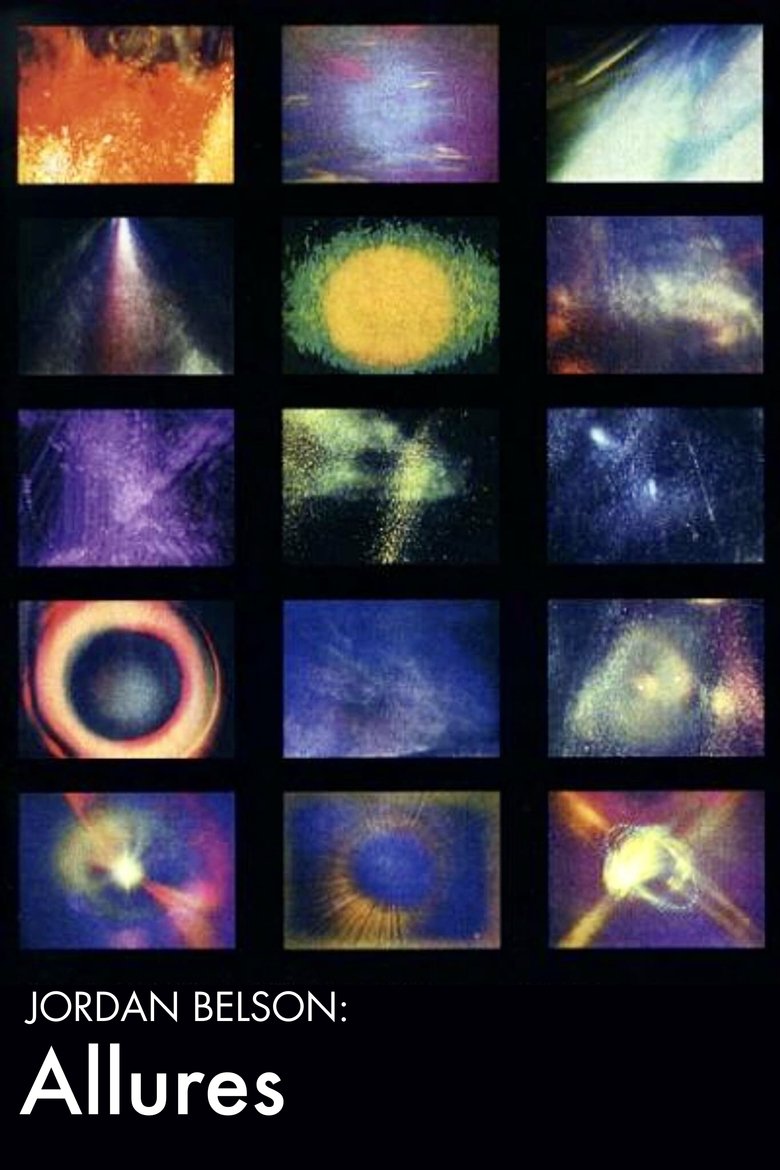
Allures is a spectacular sequence of moving figures and points, a film which reaches out to the cosmic and the spiritual, where the spatial dimension becomes transcendental.
Overall Score
Good
Category Breakdown
LGBTQ+ Representation
The film's abstract, non-figurative nature precludes the depiction of specific gender identities or romantic orientations. It avoids heteronormative tropes by avoiding human characterization entirely.
Gender Representation
The film disrupts traditional gender hierarchies by removing the concept of gender from the visual field. It avoids reinforcing masculine or feminine archetypes by prioritizing transcendental dimensions over biological markers.
Racial & Ethnic Diversity
Abstract geometry and cosmic light serve as a color-blind visual language. By moving away from human figures, the film avoids racial stereotyping or the imposition of a homogeneous white norm.
Religious & Cultural Diversity
The film prioritizes non-specific spirituality and the transcendental. It bypasses Western institutional frameworks like religion or patriotism in favor of a subjective, metaphysical experience.
Disability Representation
The abstract nature of the animation does not provide a basis for evaluating the representation of physical or neurodivergent identities.
Strengths
Areas for Improvement
AI Analysis
Jordan Belson’s *Allures* operates as a piece of visual poetry rather than a character-driven narrative. Because the film utilizes abstract moving figures and points to explore cosmic dimensions, it lacks the anthropomorphic archetypes necessary to evaluate traditional social categories. Instead of engaging with human identity, the work challenges mid-century cinematic constraints by rejecting Western, linear storytelling. It replaces social hierarchies with a universalist, non-anthropocentric aesthetic that focuses on the spiritual and the metaphysical. While the film cannot be scored on identity-based representation due to its non-representational style, its refusal to engage with human biological or social markers allows it to bypass many systemic biases found in mainstream cinema.
1967
1978
1967

2006

2002

1968

1957

2016
1957

1959

1961

1979
No reviews yet. Be the first to share your thoughts on this movie!
Use the rating form above to leave a star rating and optional review.