Hamfat Asar
1965
No user ratings available yet
Representation score: 7.2 out of 10
Representation Score
Limited
1978
18+Director
Ishu Patel
Runtime
7 minutes
Average Rating
No ratings yetNew Showbiz Analysis
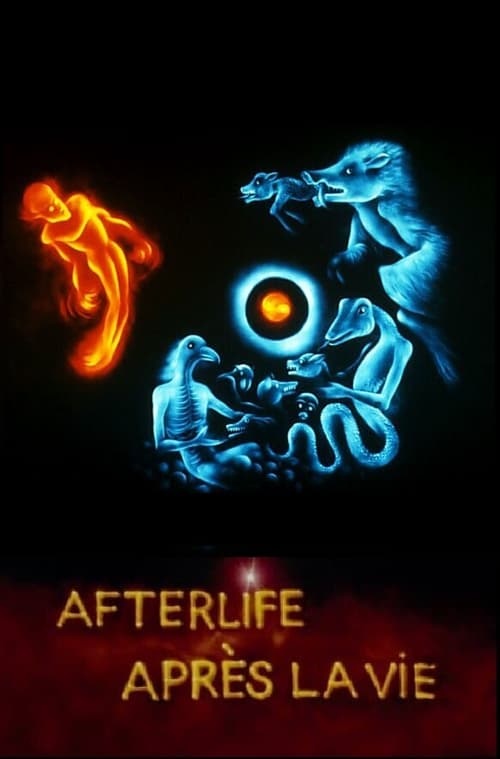
Afterlife is a visual meditation on metaphysical transitions that prioritizes universal spiritual mechanics over social identity. By using a non-humanoid aesthetic, the film sidesteps traditional metrics of race, gender, and orientation. It succeeds in subverting Western-centric narrative structures by incorporating diverse cultural mythologies, creating a pluralistic view of the human condition that transcends specific religious institutions. However, the film's abstraction is a double-edged sword. While it avoids reinforcing harmful hierarchies, the lack of specific identity-based representation limits its engagement with social politics.
Category Breakdown
The film does not depict sexual orientation or gender identity. Its focus on consciousness means it does not engage with queer identity.
By avoiding humanoid characters, the film steers clear of traditional gender hierarchies. However, the absence of gendered ability to act limits its ability to challenge social roles.
The film presents a globalized perspective by drawing on ancient myths, offering a pluralistic view of existence through a non-Western lens.
The narrative emphasizes subjective spirituality over institutional religion, framing the afterlife as a personal reflection of experiences.
The abstract, non-humanoid nature of the animation means there are no specific depictions of physical or neurodivergent identities to evaluate.
Present on Screen
Limited or Absent
Official Synopsis
This animated short film attempts to answer the eternal questions, What is dying? and How does it feel? Based on recent studies, case histories and some of the ancient myths, the afterlife state is portrayed as an awesome but methodical working-out of all the individual's past experiences. Film without words.
1965

1985
1997

2010
1974

1967
2003
1987
No reviews yet. Be the first to share your thoughts on this movie!
Use the rating form above to leave a star rating and optional review.