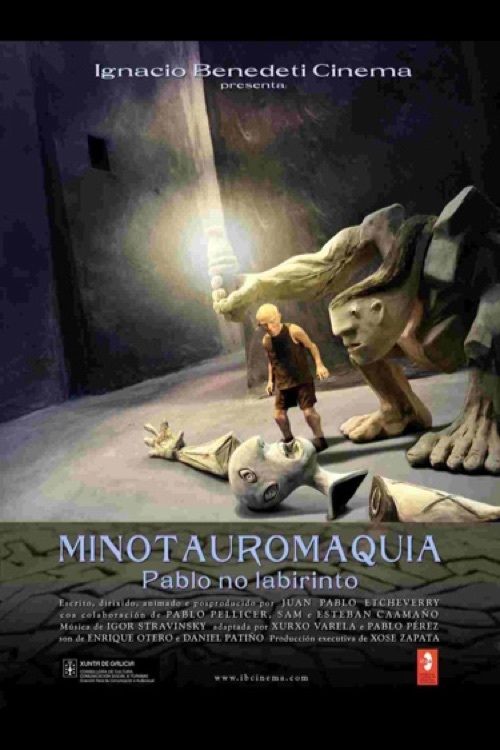
Minotauromachy
2004
No user ratings available yet
Representation score: 5.7 out of 10
Representation Score
Fair
1986
Director
Lawrence Jordan
Runtime
79 minutes
Average Rating
No ratings yetNew Showbiz Analysis
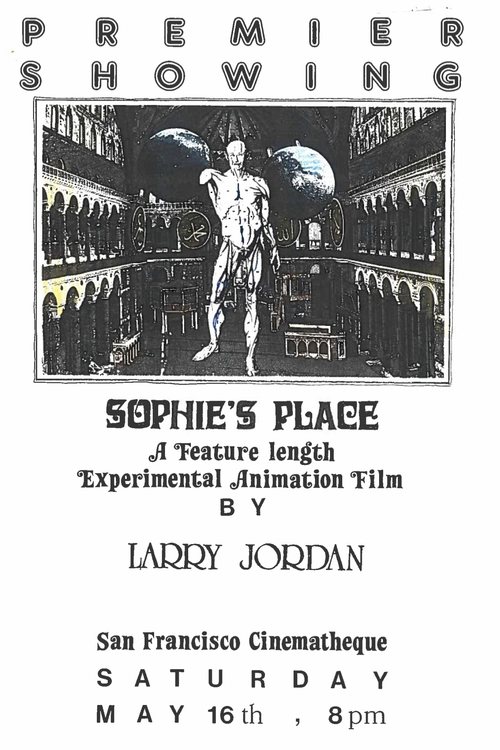
Sophie's Place prioritizes subjective experience over structured, institutional truths through dream logic and mythological archetypes. It moves away from traditional, didactic narrative forms. The film challenges gendered power dynamics by placing a feminine personification of wisdom at its core, disrupting the masculine-centric focus common in philosophical explorations. However, the film's heavy reliance on abstraction and universal symbols creates gaps in demographic visibility. Specific racial, ethnic, or LGBTQ+ representation is not clearly evident.
Category Breakdown
The film's abstract, dream-like structure avoids traditional storytelling focused on straight relationships. There is no clear depiction of specific LGBTQ+ identities or romantic pairings.
By centering the narrative on Sophia, the Greek goddess of wisdom, the film elevates a feminine archetype. This approach challenges the dominance of masculine ability to act typically found in philosophical narratives.
The highly symbolic and animated nature of the work makes it hard to identify specific racial or ethnic markers. The focus remains on universalized mythological symbols.
The film promotes a cultural perspective where truth is seen as an internal, poetic experience. This approach rejects rigid Western didacticism in favor of a more fluid, non-dogmatic worldview.
There is no documented information regarding the portrayal of physical disabilities, neurodivergence, or mental health conditions within this animated work.
Present on Screen
Limited or Absent
Official Synopsis
Five years in the making, Lawrence Jordan's feature-length "alchemical autobiography" Sophie's Place takes as its inspiration the story of the Greek goddess of wisdom, Sophia. Writes Jordan, "I must emphasize that I do not know the exact significance of any of the symbols in the film any more than I know the meaning of my dreams... I hope that the symbols and the episodes set off poetic associations in the viewer. I mean them to be entirely open to the viewer's own interpretation."
2004
1985
1991

1960
1949

2001
1982
1986
No reviews yet. Be the first to share your thoughts on this movie!
Use the rating form above to leave a star rating and optional review.