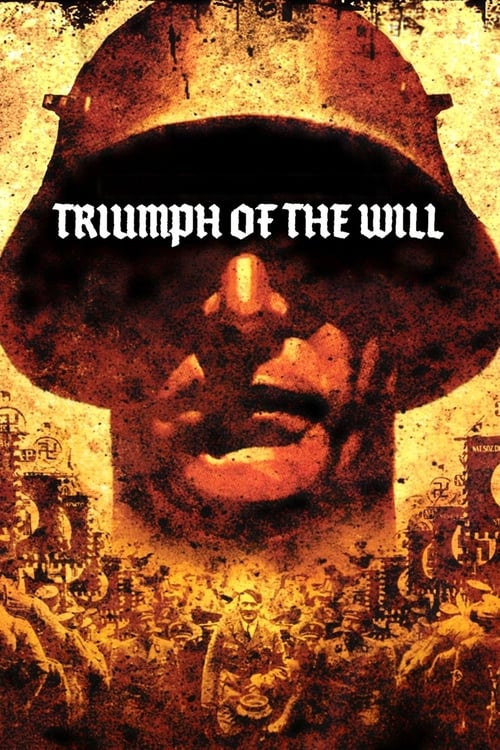
Triumph of the Will
1935
No user ratings available yet
Representation score: 0.0 out of 10
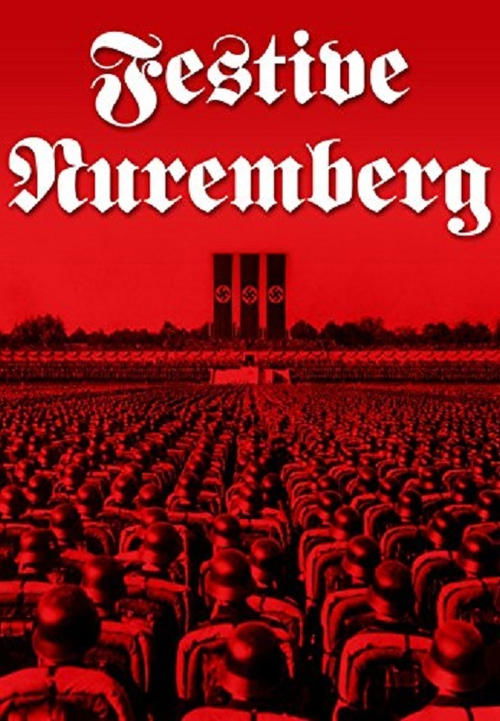
Representation Score
Minimal
1937
Director
Hans Weidemann
Runtime
21 minutes
Average Rating
No ratings yetNew Showbiz Analysis
Festive Nuremberg serves as a stark document of state-sponsored propaganda designed to reinforce National Socialist hierarchies. The film utilizes mass spectacle, such as torchlit marches and military exercises, to consolidate nationalist fervor and validate the authority of the state. Its narrative structure is intentionally exclusionary, focusing on a monolithic national identity. By emphasizing physical perfection and masculine military strength, the film actively erases any identities that do not conform to the era's rigid social and racial standards. Ultimately, the film functions to uphold a singular, ethnocentric worldview. It lacks any elements of multi-layered representation, instead using cinematic grandeur to promote extreme nationalism and patriarchal structures.
Category Breakdown
The film does not depict any LGBTQ+ identities. The story supports state stability by enforcing the assumption that everyone is straight or cisgender.
Gender roles are strictly traditional and hierarchical. The visual focus is on masculine military prowess, while women are shown only in peripheral, passive roles within crowds.
The film promotes a homogeneous, ethnocentric worldview. It emphasizes a singular, idealized racial identity through massed crowds and military formations, excluding diverse ethnicities.
The work prioritizes extreme nationalism and state-centric morality. It uses mass spectacle to exalt a singular political ideology and glorify military might over individual control.
There is no meaningful representation of individuals with disabilities. The focus on physical perfection and military readiness excludes those who do not meet specific fitness standards.
Present on Screen
Limited or Absent
Official Synopsis
Said to pick up where "Triumph of the Will" left off, this film showcases highlights of the Nazi Party rallies in Nüremberg in 1936 and 1937. The main focus of the film begins with extended footage of the Gothic splendor of Nüremberg from the air, Hitler's arrival at the airbase, his motorcade into the city, and the ensuing ceremonies. Other, much more propagandistic elements, are edited in; they include: past Nazi party marches and rallies, parachute drops, Wehrmacht exercises in the Zeppelin fields, random military formation night rallies and random shots of massed crowds, fireworks, torch lit marches, even live explosions.
1935
1938
1935
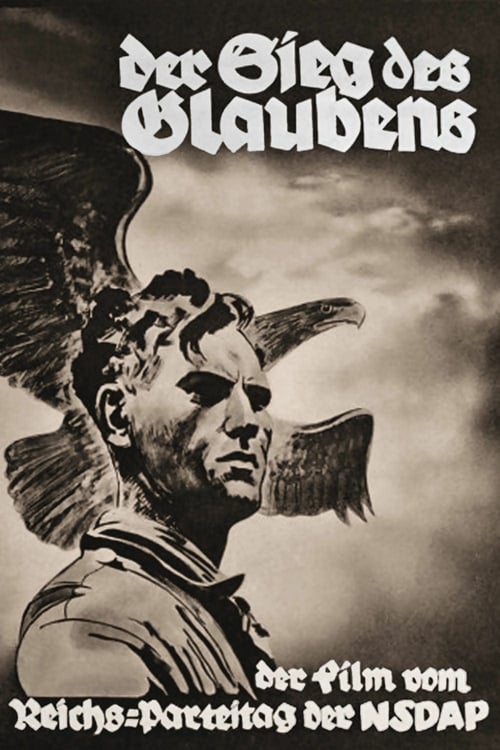
1933
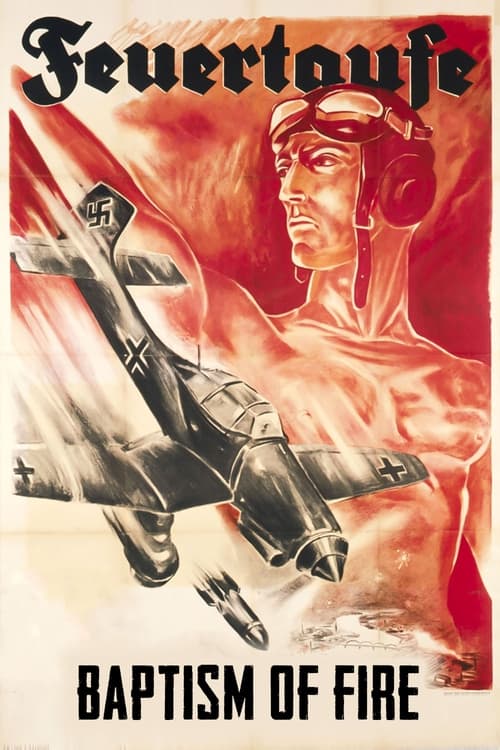
1940
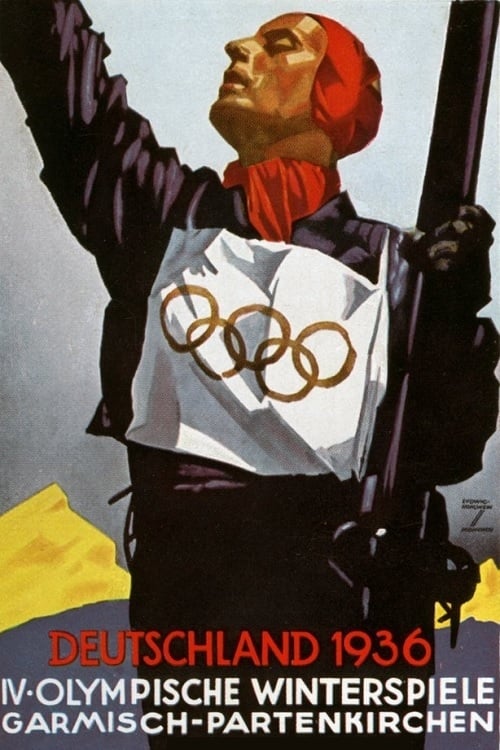
1936
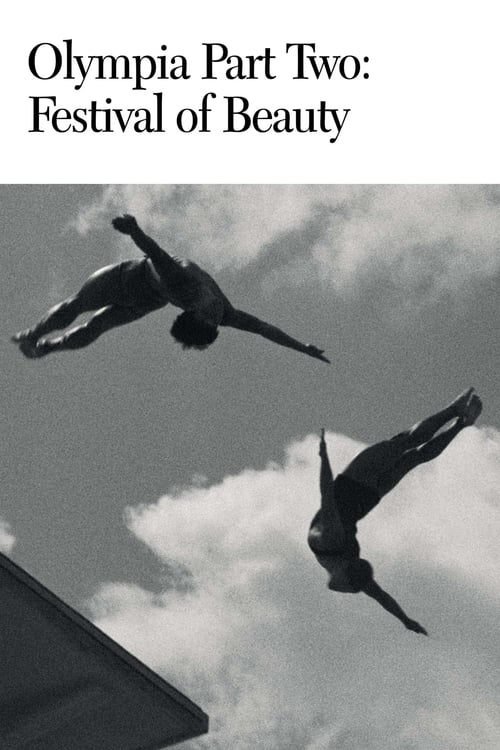
1938
1938
No reviews yet. Be the first to share your thoughts on this movie!
Use the rating form above to leave a star rating and optional review.