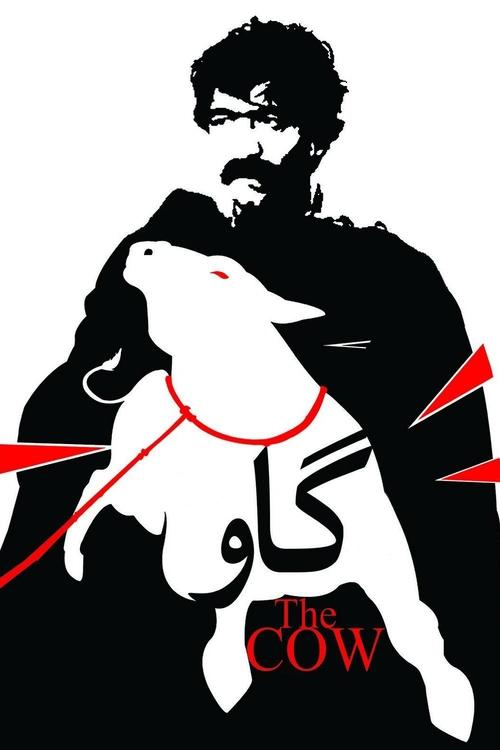
The Cow
1969
No user ratings available yet
Diversity score: 5.9 out of 10

1990
Director
Mansour Sora Wade
Runtime
21 minutes
Average Rating
No ratings yetSynopsis
When Serigne Ibra finally decides to get married, he declares that his future bride must not only be a ravishing beauty, but also must not have any kind of scar or blemish on her body.
Overall Score
Fair
Category Breakdown
LGBTQ+ Representation
The film offers no evidence of queer narratives or non-heteronormative identities. There is no information available to suggest LGBTQ+ themes are present.
Gender Representation
The story centers on a male protagonist who dictates marriage terms through narrow aesthetic standards. This setup reinforces traditional patriarchal hierarchies regarding the ideal woman.
Racial & Ethnic Diversity
Nomenclature and title suggest a West African cultural context. This provides a departure from the Anglo-centric narratives common in global cinema of the 1990s.
Religious & Cultural Diversity
The narrative focuses on traditional social customs and marriage rites. It appears to be a study of traditionalist values and specific social status requirements.
Disability Representation
The plot centers on a demand for a bride without scars or blemishes. This engages with social perceptions of bodily variation and physical imperfection.
Strengths
Areas for Improvement
AI Analysis
Fary the Donkey is a character-driven drama that explores the tension between rigid aesthetic standards and human reality. The narrative is driven by Serigne Ibra's pursuit of a physically perfect bride, a premise that inherently engages with themes of bodily variation and social perfection. While the film moves away from Western-centric storytelling by utilizing a West African cultural framework, it remains anchored in traditional social structures. The protagonist's demands suggest a narrative that examines, rather than necessarily subverts, conventional patriarchal and aesthetic hierarchies. Ultimately, the film occupies a transitional space. It touches upon important themes of identity and tradition but lacks the documented evidence of intersectional complexity needed for a higher diversity rating.
1969
2019
2002
2012
2012
1986
1983
2020

2010
1965
1976
2009
No reviews yet. Be the first to share your thoughts on this movie!
Use the rating form above to leave a star rating and optional review.