
Gülizar
2004
No user ratings available yet
Representation score: 5.0 out of 10
Representation Score
Fair
2009
Director
Cemal Şan
Average Rating
No ratings yetNew Showbiz Analysis
The film centers on a traditional regional drama focused on individual tragedy and social constraints. While the protagonist displays a significant role in driving the story through her extreme protest, her motivations are rooted in conventional social institutions like marriage. The narrative lacks depth in reflecting multiple aspects of identity, adhering to established social structures rather than deconstructing them. The representation of disability and ethnicity remains functional or localized rather than expansive. Ultimately, the work functions as a character study of desperation within a specific cultural setting, offering limited subversion of traditional norms.
Category Breakdown
The film follows a conventional framework that assumes everyone is straight or cisgender. There are no LGBTQ+ characters or non-cisgender identities in the story.
Dilber drives the plot through a bold action, yet her choices are still tied to marriage. The story explores female desperation without explicitly challenging patriarchal hierarchies.
The setting in a poor eastern village highlights a regional focus. However, the cast appears localized and homogeneous rather than multi-ethnic.
The story engages with the constraints of specific social and economic realities. It focuses on traditional themes like family and village life rather than systemic critique.
A limping man enters the village as a narrative catalyst. His physical impairment appears to be a descriptive trait rather than a nuanced character study.
Present on Screen
Limited or Absent
Official Synopsis
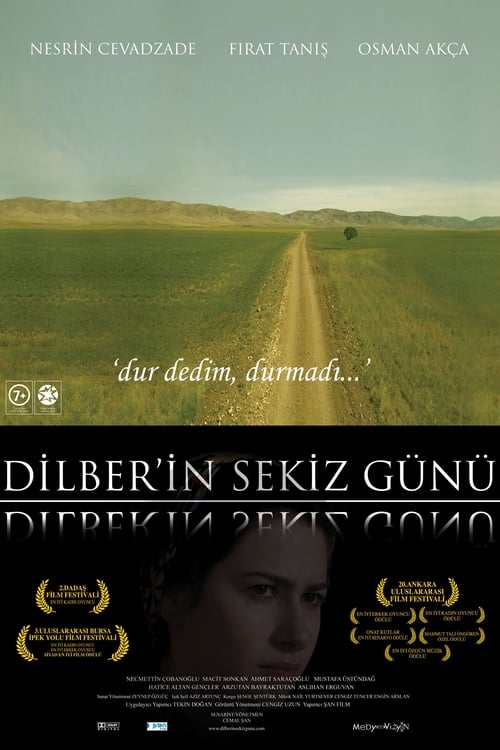
Dilber lives with her family in a very poor eastern village, her only dream is to marry her childhood lover, Ali. But when she finds out that it won't happen because of a reason that she can't get away with, she gets crazy and lock herself up in her family's barn. Then she makes everybody knows that she'll marry the first guy who proposes and won't leave the barn till that happens. One day, a limping man comes to the village. He's alone and has heard that there's a girl in that village who's ready to marry him.
2004

2016
1976

1983

2009
2019

2007

2013
No reviews yet. Be the first to share your thoughts on this movie!
Use the rating form above to leave a star rating and optional review.