The Polygamous Wazzou
1971
No user ratings available yet
Representation score: 6.1 out of 10
Representation Score
Fair
1981
Director
Fadika Kramo-Lanciné
Runtime
90 minutes
Average Rating
No ratings yetNew Showbiz Analysis
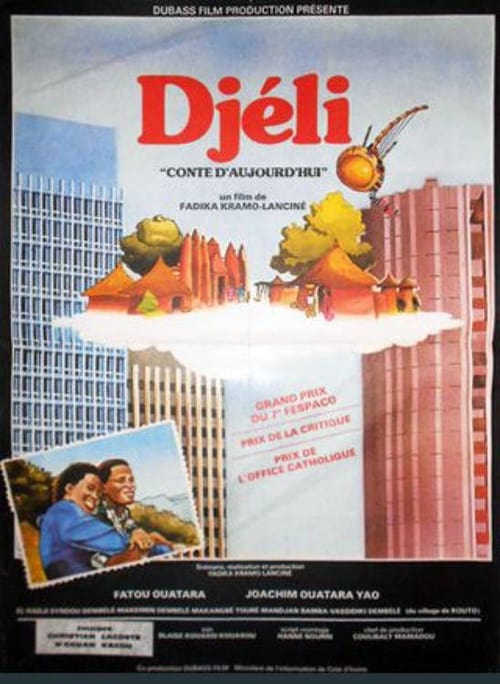
Djeli, a Modern Tale offers a culturally rich exploration of West African social hierarchies. By centering the griot tradition, the film provides an authentic look at internal communal dynamics and the tension between ancestral law and individual ability to act. While the film excels in ethnic and cultural specificity, it remains limited in its depiction of gender subversion and LGBTQ+ identities. The narrative's primary focus is the systemic barrier of caste rather than broader identity politics. Ultimately, the film serves as a meaningful representation of West African complexities, prioritizing non-Western frameworks to tell a story of love and social resistance.
Category Breakdown
The film does not include explicit references to LGBTQ+ characters or identities. The main storyline revolves around caste and class issues rather than sexual orientation.
The story focuses on a romantic conflict involving Fanta, a woman who navigates the constraints of noble blood. While she plays a significant role in challenging social stratifications, the film does not explicitly address gender role subversion.
The film achieves high ethnic specificity by centering the West African griot tradition. It disrupts Western-centric cinematic views by focusing on internal communal dynamics and social castes.
The narrative explores the tension between traditional social structures and individual desires. It uses the griot tradition to critique rigid, inherited hierarchies through the blend of tradition and modernity.
There is no mention of characters with visible or invisible disabilities within the narrative.
Present on Screen
Limited or Absent
Official Synopsis
Kramoko Kouyate, son of a griot, cannot marry Fanta who is of noble blood. In flashback, the film explains the origin of the problem and shows their attempts to get around it.
1971
1973
1975
2010
1996
1988

2012
1990
No reviews yet. Be the first to share your thoughts on this movie!
Use the rating form above to leave a star rating and optional review.