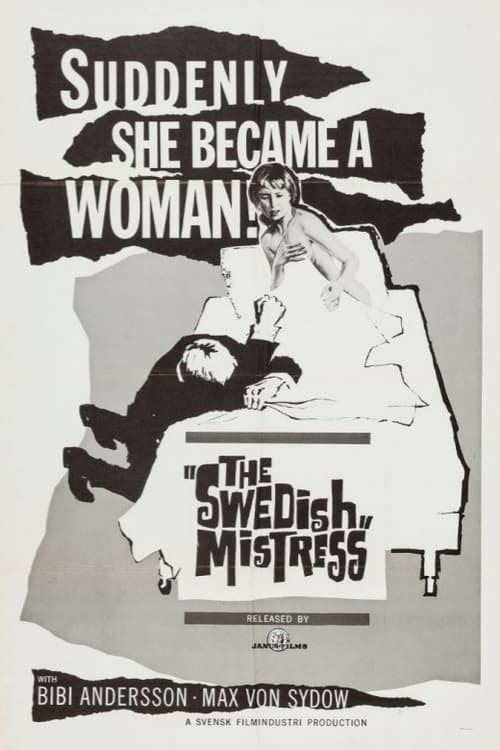
The Mistress
1962
No user ratings available yet
Representation score: 5.3 out of 10
Representation Score
Fair
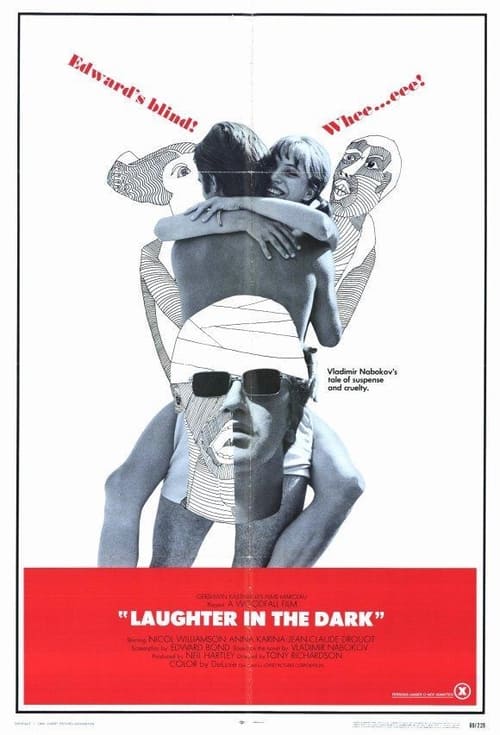
1969
NC-17Director
Tony Richardson
Runtime
104 minutes
Average Rating
No ratings yetNew Showbiz Analysis
Laughter in the Dark is a psychological study that prioritizes character deconstruction over demographic breadth. It succeeds in challenging traditional gendered power dynamics, presenting a parasitic relationship rather than a standard patriarchal hierarchy. However, the film remains limited by its narrow focus. It offers almost no LGBTQ+ or racial representation, remaining rooted in a predominantly white, straight-centered European setting. Ultimately, the work functions as a critique of socioeconomic emptiness. It uses a postmodern lens to challenge social decorum and moral certainty, even if it lacks diverse social perspectives.
Category Breakdown
The film does not explicitly depict LGBTQ+ identities or relationships that go beyond the assumption that everyone is straight. The story centers on an obsessive, heterosexual pursuit between the main characters.
The film challenges traditional romantic hierarchies by showing a desperate, incompetent male protagonist. Margot maintains a significant role in driving the story and keeps her emotional distance, avoiding the passive object role.
The cast is mainly white and Anglo-European, reflecting the era's social constraints. There is no significant minority representation within the primary narrative arc.
The story criticizes upper-class decadence and replaces traditional morality with subjective, cruel impulses. It prioritizes individual psychological truth over institutional or religious frameworks.
There is no intentional representation of physical or neurodivergent disabilities. The protagonist's psychological instability is treated as a character flaw rather than a nuanced exploration of mental health.
Present on Screen
Limited or Absent
Official Synopsis
Swinging London in the 1960s. Deals with the affection of a middle-aged man for a very young woman, resulting in a mutually parasitic relationship.
1962
1961
1969
1965
1969

1964
1952
1987
No reviews yet. Be the first to share your thoughts on this movie!
Use the rating form above to leave a star rating and optional review.