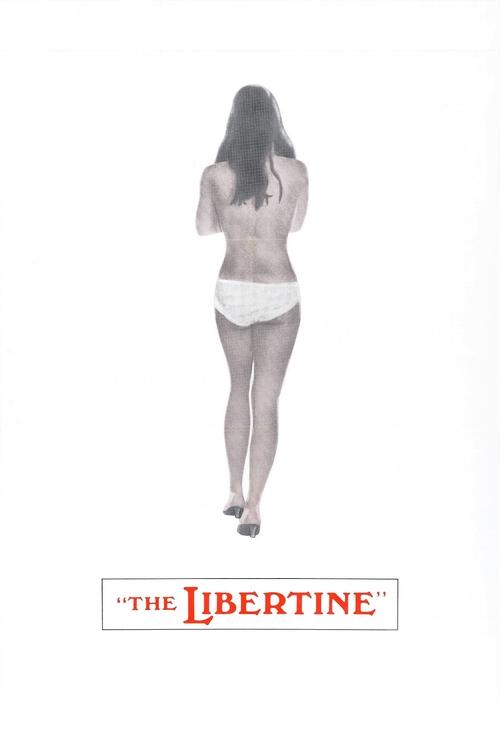
The Libertine
1968
No user ratings available yet
Representation score: 4.0 out of 10
Representation Score
Good
1969
XDirector
Tinto Brass
Runtime
80 minutes
Average Rating
No ratings yetNew Showbiz Analysis
Attraction (1969) stands out for its challenge to mid-century gender roles, prioritizing the active role of women over patriarchal structures. By focusing on the protagonist's sensory and psychological awakening, the film moves beyond passive portrayals of women. However, the film's focus on straight-centered exploration and its lack of representation for LGBTQ+ individuals or people with disabilities limit its inclusivity. These omissions prevent a broader social critique. Ultimately, the film's strength lies in its use of interracial dynamics and the rejection of bourgeois norms to challenge the social norms of the late 1960s.
Category Breakdown
The film does not explicitly include LGBTQ+ identities or explore non-cisgender narratives. However, it explores desire in a fluid manner, focusing on heterosexual encounters.
The story challenges traditional gender roles by emphasizing the female perspective and active role. The protagonist's journey of self-discovery and sensual awakening drives the narrative forward.
Racial diversity serves as a catalyst for the protagonist's psychological growth. The introduction of an African-American character challenges the homogenous social norms of the time.
The film criticizes the restrictive moral codes of the bourgeoisie and traditional Western society. It promotes moral relativism and rejects conventional religious or social constraints through sexual freedom.
The film primarily features able-bodied characters. There is no significant representation of characters with visible or invisible disabilities.
Present on Screen
Limited or Absent
Official Synopsis
A married woman's journey through the psychedelic English youth scene awakens her to the carnal offerings of an African-American man.
1968
1972
1983

1956

1974
1971
1996
1969
No reviews yet. Be the first to share your thoughts on this movie!
Use the rating form above to leave a star rating and optional review.