
10 Billion: What's On Your Plate
2015
No user ratings available yet
Diversity score: 6.1 out of 10
2011
Director
Valentin Thurn
Runtime
92 minutes
Average Rating
No ratings yetSynopsis
Documentary about how much food goes to waste in our society and why.
Overall Score
Good
Category Breakdown
LGBTQ+ Representation
The documentary focuses on food waste logistics and systemic sociology. There are no LGBTQ+ character arcs or identity-driven narratives present.
Gender Representation
The film prioritizes institutional actors and global supply chains over interpersonal dynamics. It lacks specific character-driven subversion of gender hierarchies.
Racial & Ethnic Diversity
The transnational scope examines disparities between Western consumption and the Global South. This framework addresses intersectional economic disparities through a global lens.
Religious & Cultural Diversity
The narrative critiques Western capitalist structures and consumerist culture. It disrupts conventional celebrations of industrial progress by highlighting systemic inefficiencies.
Disability Representation
There is no evidence of neurodivergent individuals or people with physical disabilities being central subjects of this investigation.
Strengths
Areas for Improvement
AI Analysis
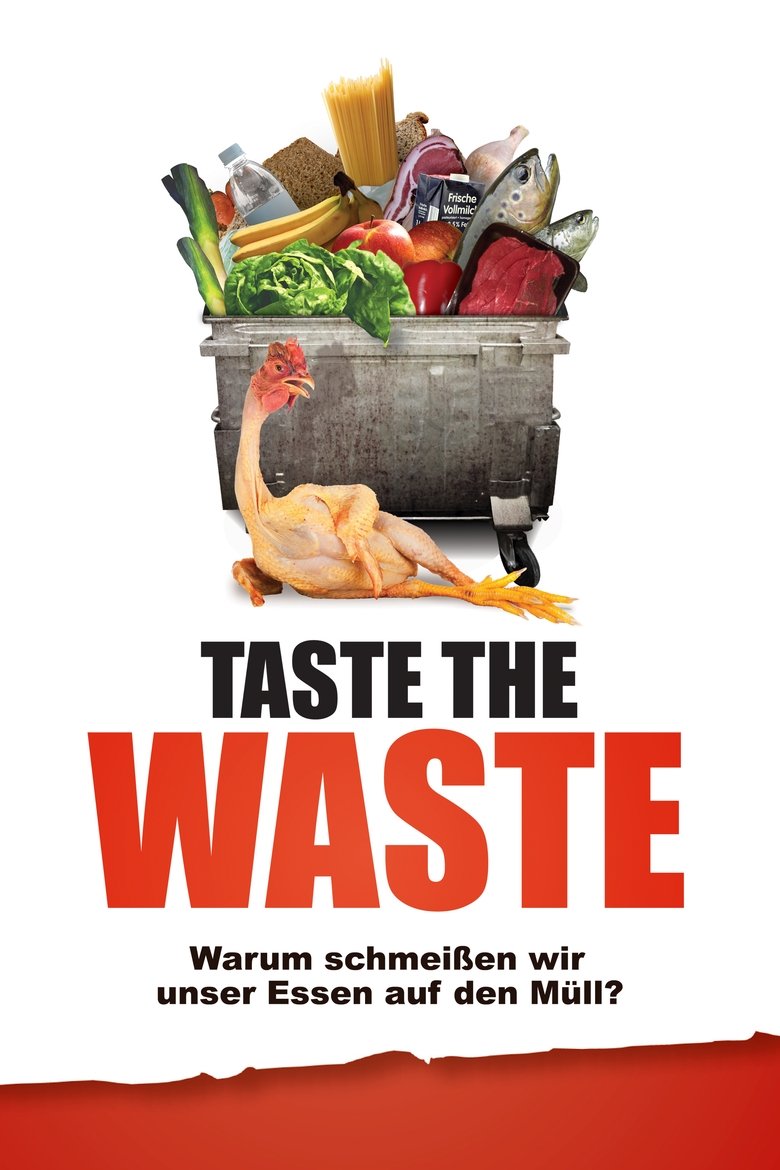
Taste the Waste functions as a macro-sociological critique of global consumption and industrial capitalism. It prioritizes systemic mechanics and logistical failures over individual identity or character-driven storytelling. The film succeeds in challenging the narrative of industrial progress by framing modern efficiency as a source of dysfunction. Its strength lies in its ability to deconstruct consumerist norms on a global scale. However, the documentary lacks interpersonal representation. Because the focus remains on institutional actors and supply chains, it misses opportunities for diverse character-driven narratives found in scripted media.
2015

2009
2012

2017
2010
2013

2017
2020

2004
2011
2010
2013
No reviews yet. Be the first to share your thoughts on this movie!
Use the rating form above to leave a star rating and optional review.