
Just Eat It: A Food Waste Story
2014
No user ratings available yet
Representation score: 4.5 out of 10
Representation Score
Fair
2010
TV-GDirector
Jeremy Seifert
Runtime
53 minutes
Average Rating
No ratings yetNew Showbiz Analysis
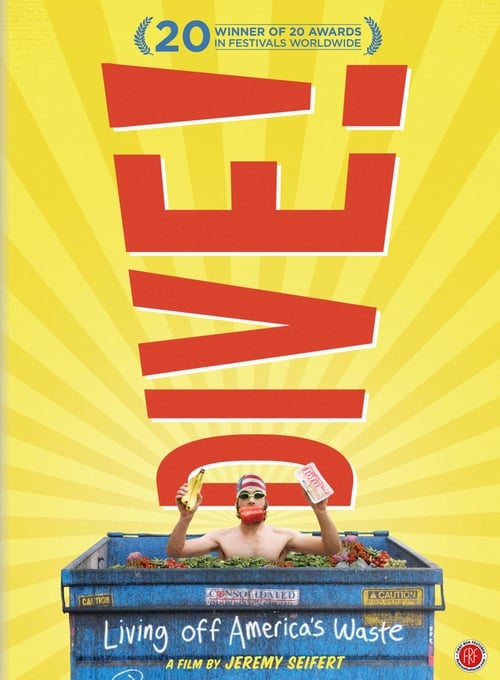
Dive! is a documentary that emphasizes systemic critique over identity-based storytelling. Its primary strength lies in its cultural perspective, particularly in challenging Western economic norms and corporate waste. While set in a diverse urban environment like Los Angeles, the film does not provide specific evidence of diverse racial, gender, or LGBTQ+ identities. The social dynamics of the activist circle remain largely unexamined through these lenses. Ultimately, the film excels as a piece of social commentary on capitalism rather than a study of diverse human identities.
Category Breakdown
The film features a social circle of activists but does not delve deeply into LGBTQ+ identities. It avoids negative stereotypes but lacks overt queer representation.
The narrative focuses on a group of friends, indicating a non-hierarchical social structure. However, it does not address traditional gender roles or power dynamics.
Set in the diverse city of Los Angeles, the film explores urban environments. However, it does not provide specific evidence of racial diversity or a non-white majority.
The documentary critiques Western consumerism and capitalist systems. It highlights dumpster diving as a means to challenge corporate authority and reduce institutional waste.
The film does not document any characters with visible or invisible disabilities.
Present on Screen
Limited or Absent
Official Synopsis
Follow filmmaker Jeremy Seifert and his circle of friends as they dumpster dive in the back alleys and gated garbage receptacles of L.A.'s supermarkets. In the process they uncover thousands of dollars worth of good food and an ugly truth about waste in America: grocery stores know they are wasting and most refuse to do anything about it.
2014

2000

2011
2013

2017
1978
2013

2000
No reviews yet. Be the first to share your thoughts on this movie!
Use the rating form above to leave a star rating and optional review.