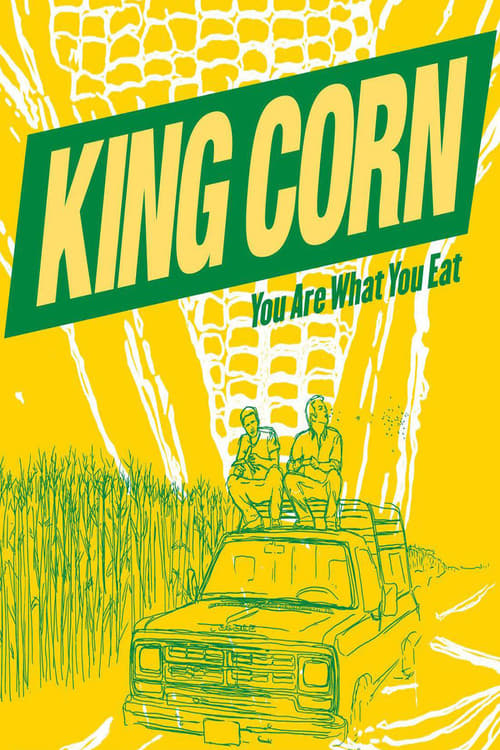
King Corn
2007
No user ratings available yet
Representation score: 2.8 out of 10
Representation Score
Fair
2005
Not RatedDirector
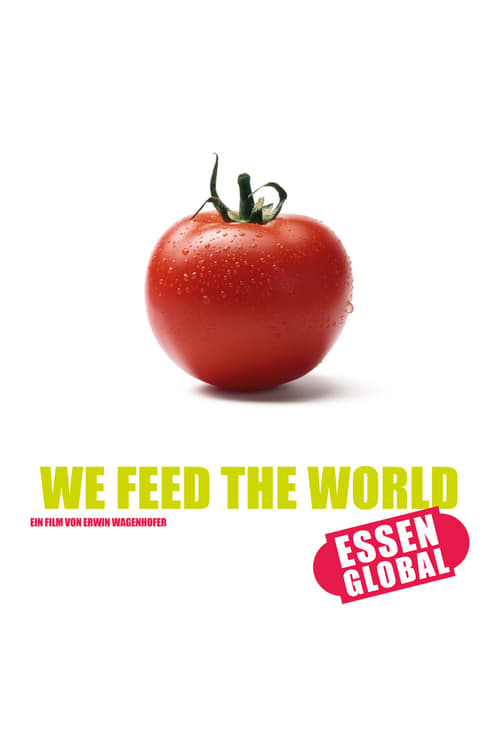
Erwin Wagenhofer
Runtime
96 minutes
Average Rating
No ratings yetNew Showbiz Analysis
We Feed the World is a systemic critique of global agribusiness rather than a character-driven narrative. Its diversity is defined by its geographic and economic scope rather than interpersonal representation. The film excels in cultural and racial representation by using a post-colonial lens. It provides visibility to diverse ethnic groups and examines the power dynamics between Western industrial interests and the Global South. However, the documentary lacks representation of LGBTQ+ identities and specific disability narratives. Because the focus remains on institutional power and industrial processes, individual social identities are largely absent from the frame.
Category Breakdown
The film does not include LGBTQ+ identities or explore non-straight relationships. This focus aligns with the documentary's emphasis on large-scale economic structures and industrial systems.
The documentary maintains a neutral stance regarding gender hierarchies. It centers the discussion on systemic exploitation rather than personal gender dynamics or social hierarchies.
The film achieves high diversity through its broad global perspective. It highlights the impact of industrial models on non-Western populations and showcases their ability to act.
The narrative challenges Western institutions by criticizing global capitalism. It portrays multinational agribusiness as prioritizing profit over ecological and social stability.
There is no specific focus on disability as a main theme. However, the film indirectly addresses the physical toll of industrial labor and systemic exploitation.
Present on Screen
Limited or Absent
Official Synopsis
A documentary that exposes the shocking truths behind industrial food production and food wastage, focusing on fishing, livestock and crop farming. A must-see for anyone interested in the true cost of the food on their plate.
2007
2000
2011
2013
2016

2008

2024
2019
No reviews yet. Be the first to share your thoughts on this movie!
Use the rating form above to leave a star rating and optional review.