Just Eat It: A Food Waste Story
2014
No user ratings available yet
Representation score: 4.5 out of 10
Representation Score
Good
2017
TV-MADirector
Anna Chai, Nari Kye
Runtime
90 minutes
Average Rating
No ratings yetNew Showbiz Analysis
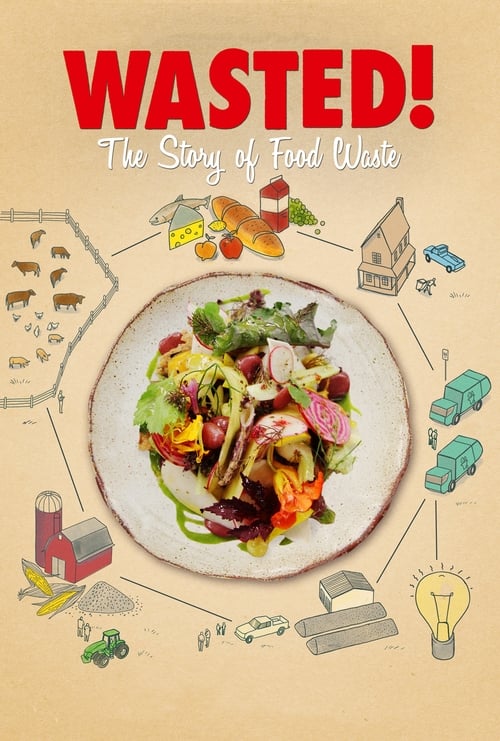
Wasted! The Story of Food Waste succeeds as a systemic critique of global consumerism. By framing food waste as a failure of industrial structures rather than individual error, the film adopts a progressive, anti-capitalist lens. While it utilizes a global cast to disrupt traditional fine-dining hierarchies, it lacks depth regarding specific identity-based character arcs, particularly concerning LGBTQ+ and disability representation. Ultimately, the film is a thematic success that prioritizes systemic issues over personal identity politics, resulting in a moderate diversity profile.
Category Breakdown
The film does not explicitly address LGBTQ+ identities or relationships. It focuses on professional chefs rather than personal identity politics.
The film centers on chef-heroes in a traditionally masculine field. While it hints at challenging old kitchen culture, specific gender dynamics remain unclear.
By featuring international figures like Massimo Bottura and Danny Bowien, the film disrupts Anglo-centric views of fine dining. It promotes a multicultural approach through a global cast of experts.
The film critiques modern industrial food systems and consumerist habits. Its systemic critique of global supply chains enhances its progressive themes.
There is no documented evidence of neurodivergent individuals or those with physical disabilities in the primary cast. The film does not center these identities as primary narrative drivers.
Present on Screen
Limited or Absent
Official Synopsis
See how the world’s most influential chefs battle food waste through the eyes of chef-heroes like Massimo Bottura, Dan Barber and Danny Bowien.
2014

2000
2011

2015
2016

2011
2010

2014
No reviews yet. Be the first to share your thoughts on this movie!
Use the rating form above to leave a star rating and optional review.