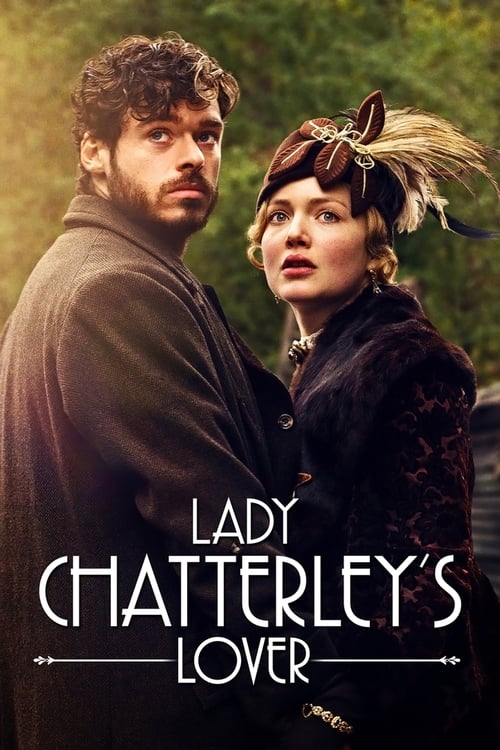
Lady Chatterley's Lover
2015
No user ratings available yet
Representation score: 5.7 out of 10

Representation Score
Fair
2022
RDirector
Laure de Clermont-Tonnerre
Runtime
126 minutes
Average Rating
No ratings yetNew Showbiz Analysis
This adaptation of D.H. Lawrence’s classic serves as a critique of Edwardian social hierarchies and industrial capitalism. By centering women's ability to drive the story and deconstructing restrictive aristocratic marriage contracts, the film offers a progressive narrative. However, it remains tied to its historical context, lacking racial and LGBTQ+ diversity. Despite this, the film effectively challenges oppressive class structures and gender norms.
Category Breakdown
The story focuses exclusively on the romantic relationship between Connie and Mellors, without featuring any LGBTQ+ characters or non-cisgender identities.
Connie evolves from a passive domestic role to a more active one, prioritizing her own physical and intellectual needs. She challenges patriarchal constraints and asserts her independence.
The cast is predominantly Anglo-Saxon, reflecting the social structure of post-WWI England. There is no intentional effort to include actors from diverse backgrounds.
The film critiques Western institutions such as marriage and aristocracy, presenting them as restrictive frameworks. It emphasizes individual authenticity over rigid and hollow social structures.
Sir Clifford’s paralysis is portrayed with complexity, avoiding melodramatic or simplistic treatments. The narrative delves into the emotional and systemic impacts of his condition within the marriage.
Present on Screen
Limited or Absent
Official Synopsis
After a crippling injury leaves her husband impotent, Lady Chatterly is torn between her love for her husband and her physical desires. With her husband's consent, she seeks out other means of fulfilling her needs.
2015

1996
2011

1997

2014

1945

2019

2006
No reviews yet. Be the first to share your thoughts on this movie!
Use the rating form above to leave a star rating and optional review.