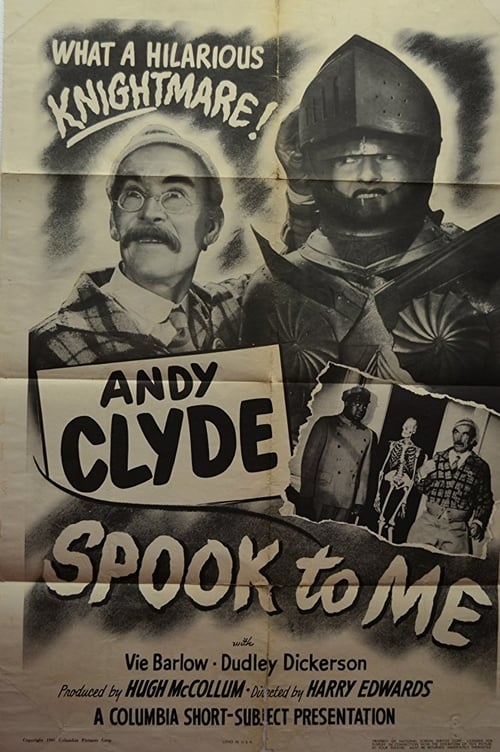
Spook to Me
1945
No user ratings available yet
Representation score: 1.1 out of 10
Representation Score
Minimal
1957
ApprovedDirector
George Blair
Runtime
62 minutes
Average Rating
No ratings yetNew Showbiz Analysis
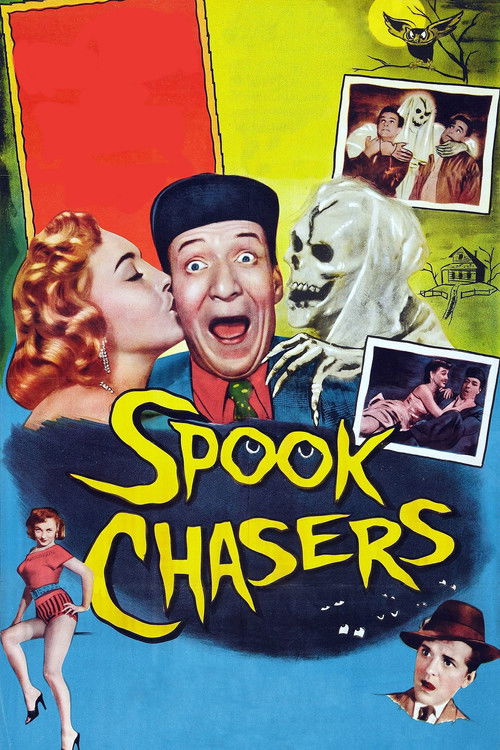
Spook Chasers is a standard mid-century comedy that prioritizes slapstick and situational humor over complex character development. The treasure-hunt structure follows traditional genre clichés that reinforce, rather than challenge, the social hierarchies of the late 1950s. The film lacks complexity, focusing almost exclusively on male camaraderie. This narrow focus results in a narrative that mirrors the era's homogeneous casting and social norms. Ultimately, the work functions as a period-typical genre piece. It lacks intentional subversion of systemic norms or diverse identity-driven narratives.
Category Breakdown
The film follows the straight-centered conventions typical of mid-century comedy. It does not include any non-cisgender identities or narratives that question traditional social structures.
The story centers on a male-dominated group focused on camaraderie and slapstick humor. It offers little to no challenge to traditional gender roles or women's ability to drive the story.
The production reflects the homogeneous casting standards of 1957. The film seems to adhere to the Anglo-centric casting norms common in mid-century American comedies.
The plot operates within conventional Western comedic values. It focuses on material wealth and supernatural clichés rather than engaging with systemic or secular critiques.
There is no indication that neurodivergence or physical disabilities are integrated into character arcs. Any impairment would likely serve as a comedic device rather than a nuanced portrayal.
Present on Screen
Limited or Absent
Official Synopsis
Sach and the gang (Bowery Boys) find stashed cash in an old farmhouse apparently haunted.
1945
1966
1941
1964
1943
1949
1926
1951
No reviews yet. Be the first to share your thoughts on this movie!
Use the rating form above to leave a star rating and optional review.