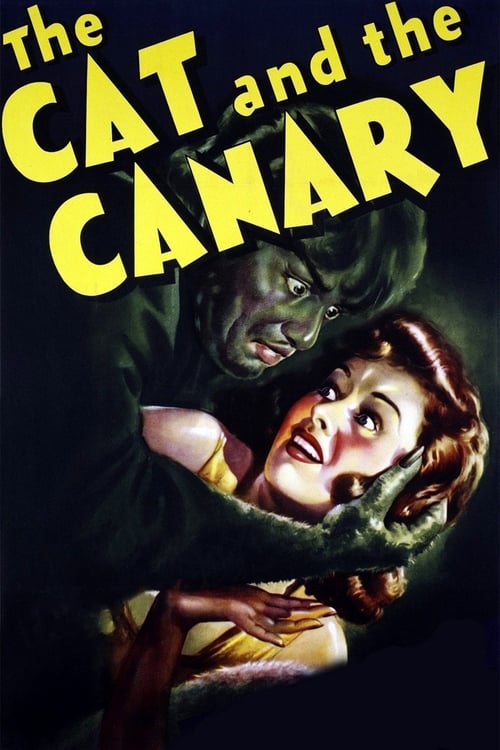
The Cat and the Canary
1939
No user ratings available yet
Representation score: 0.6 out of 10
Representation Score
Minimal
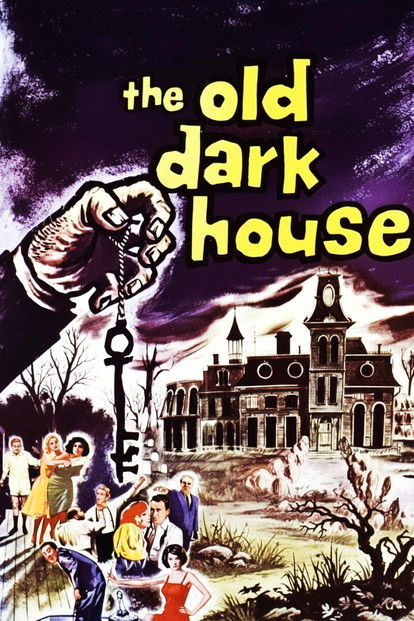
1963
PGDirector
William Castle
Runtime
86 minutes
Average Rating
No ratings yetNew Showbiz Analysis
William Castle’s film is a quintessential product of its time, prioritizing genre clichés and suspense over challenging social hierarchies. The narrative reinforces the demographic status quo of the early 1960s rather than questioning it. The film relies on established archetypes, particularly regarding gender and race. It operates within a narrow, homogeneous social framework typical of mid-century genre filmmaking.
Category Breakdown
The film follows traditional mid-century social norms and does not include any non-cisgender identities or same-sex relationships. Character dynamics focus on conventional romantic pairings.
Female characters primarily serve as subjects of suspense or objects needing protection. They participate in the mystery but lack the structural ability to act to disrupt the masculine-led narrative.
The cast is predominantly homogeneous, reflecting the era's production standards. There is no racial or ethnic diversity within the secluded English estate setting.
The story uses the decaying mansion cliché to explore mystery within a familiar class-based framework. It does not critique Western institutions or systemic power dynamics.
There is no significant depiction of neurodivergence or physical disability. Characters function within the standard physical and mental archetypes common to 1960s horror-mystery films.
Present on Screen
Limited or Absent
Official Synopsis
An American car salesman in London becomes mixed up in a series of fatal occurrences at a secluded mansion.
1939
1971
1941
1966

1949
1932

1940
1964
No reviews yet. Be the first to share your thoughts on this movie!
Use the rating form above to leave a star rating and optional review.