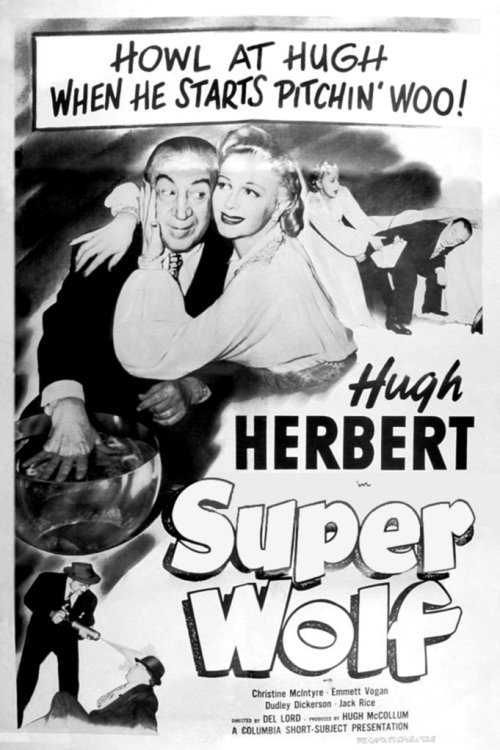
Super-Wolf
1949
No user ratings available yet
Diversity score: 2.6 out of 10
No Poster Available
1941
ApprovedDirector
Del Lord
Runtime
17 minutes
Average Rating
No ratings yetSynopsis
The Clyde Wrecking Company is assigned to demolish a haunted house.
Overall Score
Limited
Category Breakdown
LGBTQ+ Representation
The film contains no evidence of non-cisnormative identities or narratives. It adheres to the strict industry standards of 1941, which lacked such depictions.
Gender Representation
The narrative focuses on a professional demolition crew, likely following traditional gender hierarchies. There is no indication of female characters exercising high agency.
Racial & Ethnic Diversity
The story appears to follow a homogeneous structure typical of early Hollywood. It lacks any indication of a non-white or intersectional cast.
Religious & Cultural Diversity
The plot centers on a commercial enterprise performing standard labor tasks. It reinforces traditional social stability rather than challenging Western institutions.
Disability Representation
There is no mention of characters with visible or invisible disabilities. The film does not provide evidence of disability-related tropes.
Strengths
Areas for Improvement
AI Analysis
Host to a Ghost is a period-specific comedy that operates within the standard narrative frameworks of 1941. The plot follows the Clyde Wrecking Company as they attempt to demolish a haunted house, focusing on situational humor and physical tropes. The film reflects the era's cinematic conventions, prioritizing traditional comedic structures over social subversion. It lacks intentionality regarding identity-based representation, instead centering on a conventional, homogeneous professional hierarchy. Ultimately, the work functions as a standard situational comedy of its time, reinforcing the social and institutional norms prevalent in early 20th-century studio productions.
1949
1943
1943
1944
1940
1945
1942
1942
1949
1952
1943
1949
No reviews yet. Be the first to share your thoughts on this movie!
Use the rating form above to leave a star rating and optional review.