
Island in the Sky
1938
No user ratings available yet
Representation score: 1.6 out of 10
Representation Score
Limited
1937
NRDirector
William Clemens
Runtime
70 minutes
Average Rating
No ratings yetNew Showbiz Analysis
This 1937 mystery follows standard studio formulas and prioritizes traditional social hierarchies and male-driven ability to act. The narrative structure emphasizes conventional gender roles and social norms, offering little room for multi-layered complexity or progressive themes. Representation is limited, with a homogeneous Anglo-Saxon cast that reinforces period-typical gender roles. Female characters often serve as plot devices rather than independent actors. While the title hints at a disability, the film lacks the depth needed to explore this beyond superficial traits.
Category Breakdown
The film does not include any LGBTQ+ characters or non-cisgender identities. It adheres to the traditional heterosexual and cisgender norms of 1930s mystery cinema.
The story is driven by a male protagonist, with female characters such as Ida Gilbert serving mainly as catalysts for his investigation. This reinforces traditional gender roles and power dynamics.
The cast features Anglo-Saxon archetypes, including an Australian bishop and a wealthy socialite. There is no indication of racial diversity or non-white representation within the story.
The plot relies on established Western institutions like the Church and the legal system. It operates within a stable social framework without challenging existing hierarchies.
The title suggests a speech impediment for the bishop, but this appears to be a superficial character trait rather than a nuanced portrayal of neurodivergence.
Present on Screen
Limited or Absent
Official Synopsis
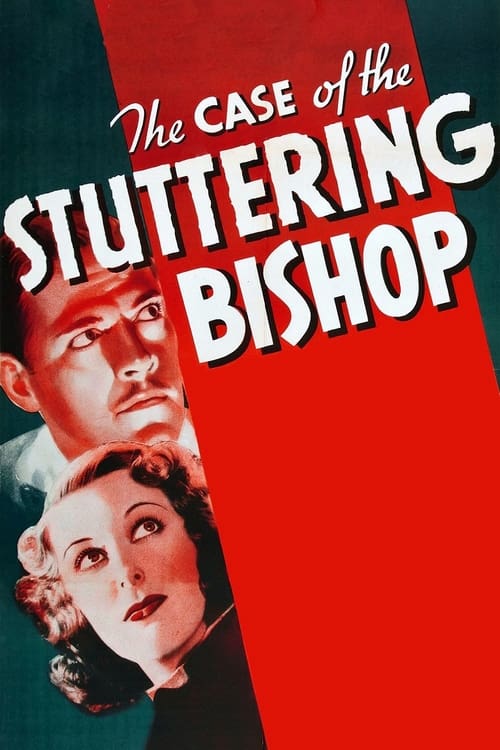
A Bishop from Australia comes to Perry to ask him to take a case of a woman wrongly accused of manslaughter 22 years before. The case would involve the wealthy Mr. Brownley and the fact that his alleged granddaughter may be an imposter. With that, the Bishop leaves and is clubbed in his hotel room. Soon after, he leaves on a boat and Perry meets the woman - Ida Gilbert. Perry goes to see Mr. Brownley, but gets nowhere. Later that night, Brownley is to meet Ida, but he is shot by a woman who drops Ida's gun. Ida is arrested for the murder of Mr. Brownley and Perry gets involved.
1938

1930
1946
1944
1942
1937
1936
1942
No reviews yet. Be the first to share your thoughts on this movie!
Use the rating form above to leave a star rating and optional review.