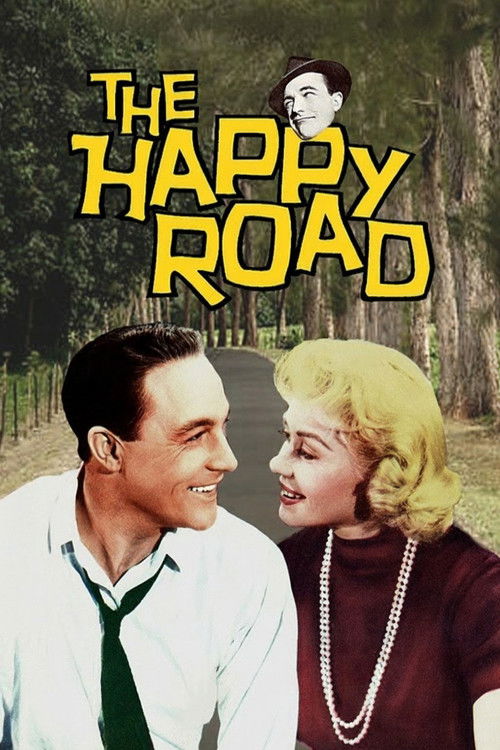
The Happy Road
1957
No user ratings available yet
Diversity score: 2.4 out of 10
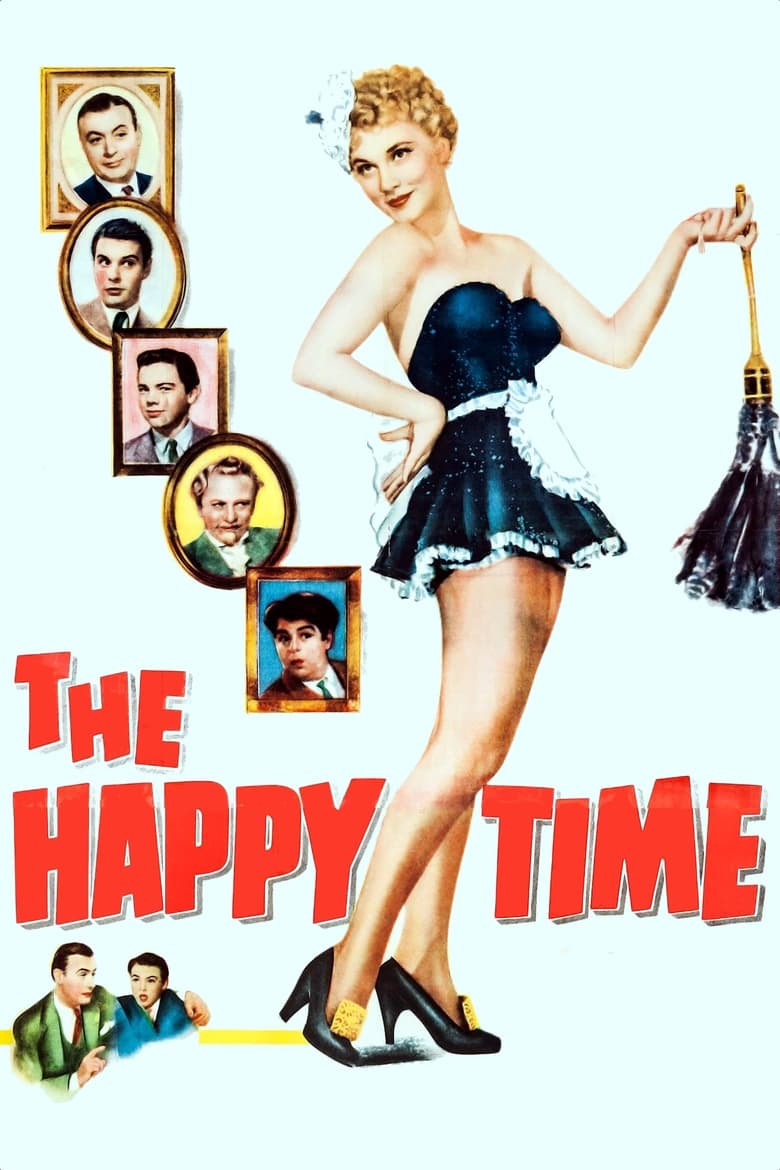
1952
NRDirector
Richard Fleischer
Runtime
94 minutes
Average Rating
No ratings yetSynopsis
A violinist and his brother guide one's son through his crush on the family maid in 1920s Ottawa.
Overall Score
Minimal
Category Breakdown
LGBTQ+ Representation
The film lacks any depiction of queer identities or subtext. Romantic and familial structures remain strictly heteronormative.
Gender Representation
Gender roles follow mid-century hierarchies. Women manage the domestic sphere while patriarchal figures maintain authority and structural stability.
Racial & Ethnic Diversity
The production features a predominantly homogeneous white cast. There is a lack of meaningful racial intersectionality or diverse casting.
Religious & Cultural Diversity
The story celebrates traditional Western social units and the nuclear family. It reinforces the necessity of parental authority and social cohesion.
Disability Representation
There are no visible or invisible disabilities portrayed. No character arcs are defined by neurodivergence or physical impairment.
Strengths
Areas for Improvement
AI Analysis
The Happy Time functions as a quintessential product of its era, prioritizing the reinforcement of traditional social hierarchies. The narrative architecture is designed to uphold established cultural and gender norms rather than challenge them. While the film offers a look at 1920s Ottawa through a comedic lens, it remains tethered to the conventional moral frameworks of the 1950s. It emphasizes stability and discipline within the family unit. Ultimately, the film lacks intersectionality, presenting a narrow view of social identity that reflects the casting and storytelling norms of its time.
1957
1952
1954
1926

1940

1921

1940
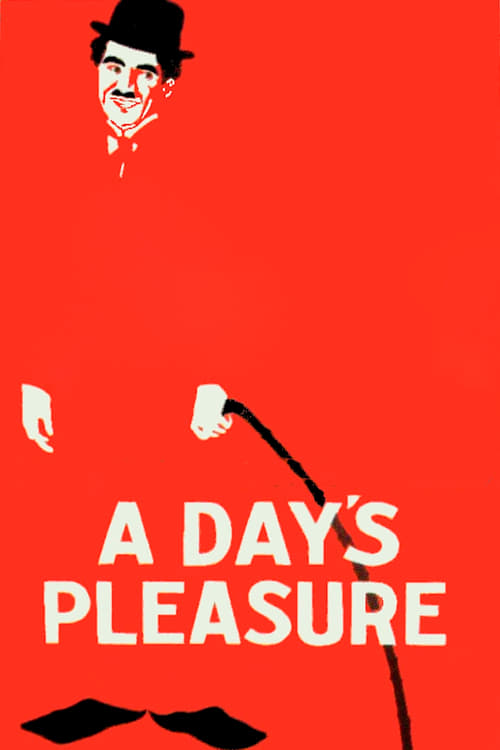
1919
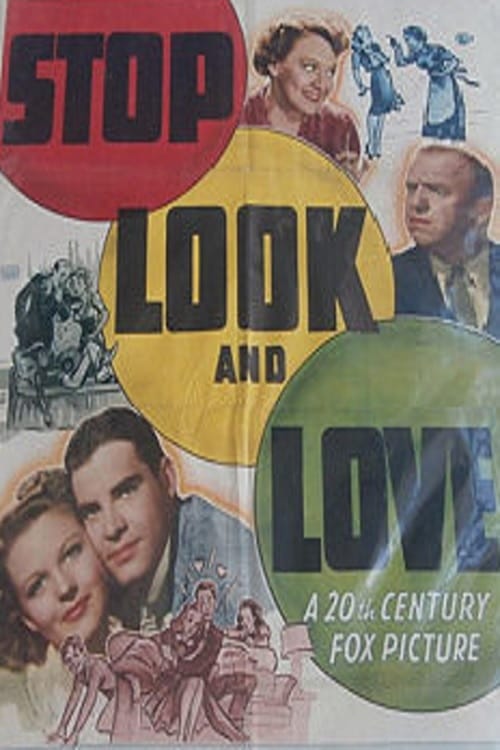
1939
1935
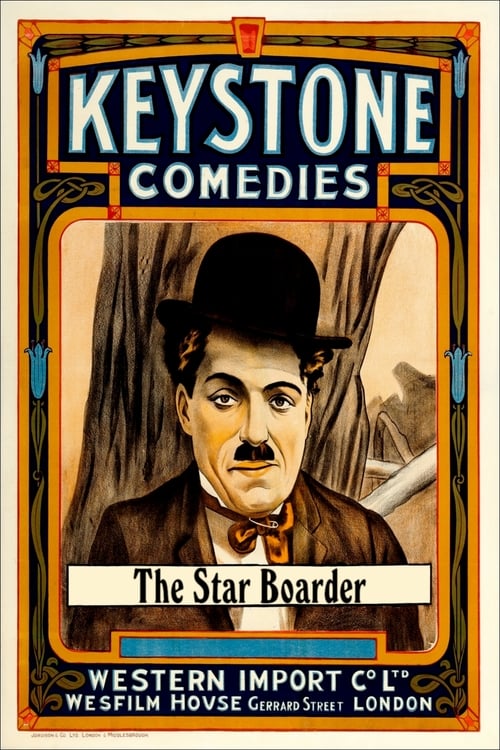
1914
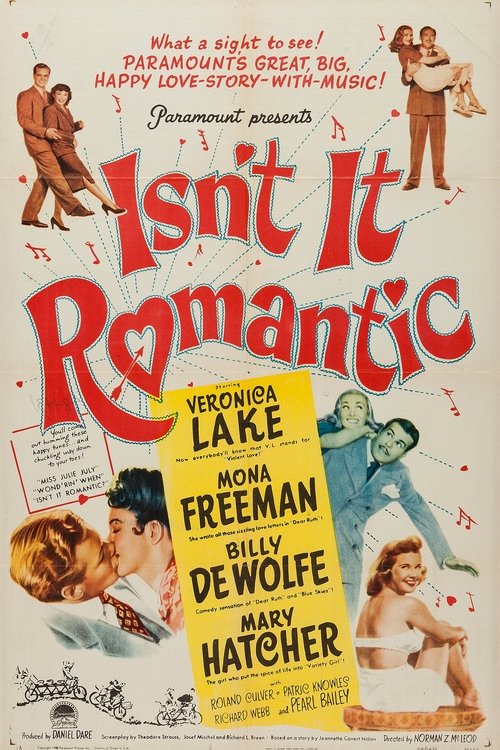
1948
No reviews yet. Be the first to share your thoughts on this movie!
Use the rating form above to leave a star rating and optional review.