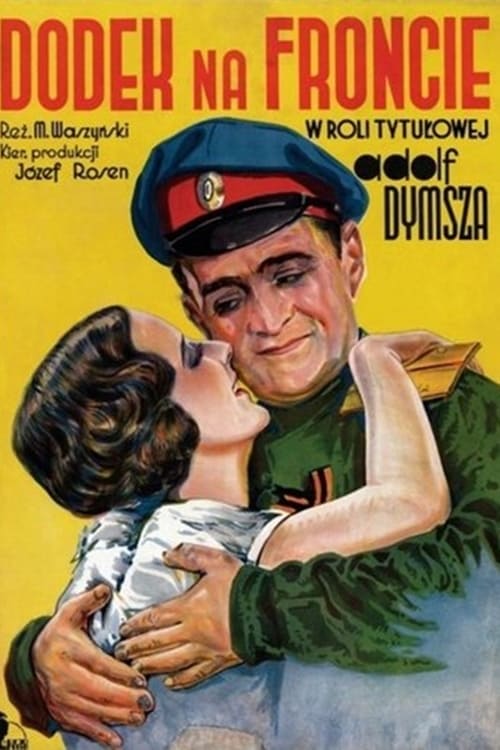
Dodek at the Front
1936
No user ratings available yet
Diversity score: 3.2 out of 10
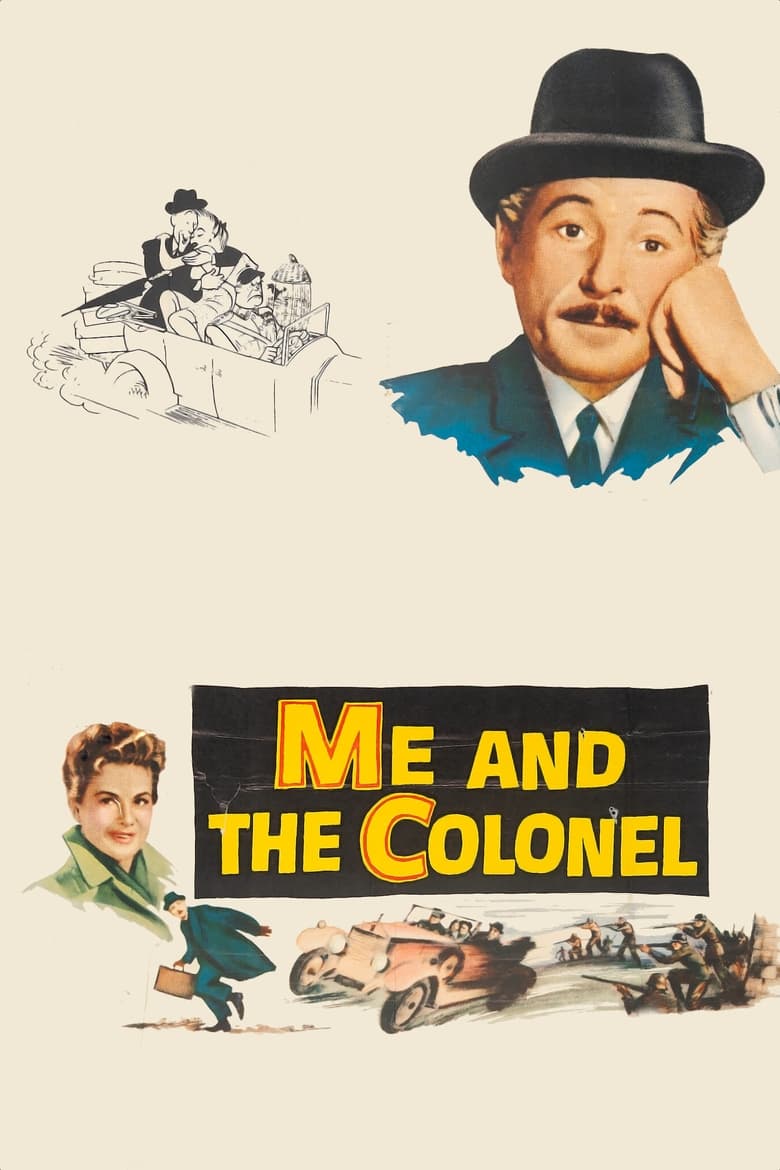
1958
ApprovedDirector
Peter Glenville
Runtime
109 minutes
Average Rating
No ratings yetSynopsis
Nazis are about to overrun France, and a Jewish man named Jacobowsky is stranded in Paris. He hitches a ride with reluctant Polish serviceman Colonel Prokoszny, who harbors a bias against Jews. They are soon joined by Prokoszny's bride-to-be, Suzanne, who takes an immediate liking to the engaging Jacobowsky. This furthers the hostility between Jacobowsky and Prokoszny, but they must put their differences aside to evade the Nazis trailing them.
Overall Score
Fair
Category Breakdown
LGBTQ+ Representation
The film operates within a traditional mid-century framework of romantic and social expectations. There are no depictions of non-cisnormative identities or narratives that critique heteronormativity.
Gender Representation
Suzanne provides a degree of agency by acting as a catalyst for interpersonal conflict. However, the narrative remains anchored in a patriarchal wartime setting driven by male protagonists.
Racial & Ethnic Diversity
The story centers on the intersection of Jewish identity and Polish nationality. By making a Jewish character a primary driver of the plot, the film acknowledges ethnic identity as a high-stakes element.
Religious & Cultural Diversity
The film explores survival and prejudice but lacks a systemic critique of religion or Western institutions. Morality is situational and driven by the necessity of wartime survival.
Disability Representation
The narrative focus remains strictly on socio-political and ethnic tensions. There are no prominent depictions of physical, sensory, or neurodivergent characters.
Strengths
Areas for Improvement
AI Analysis
Me and the Colonel is a character-driven wartime drama that uses ethnic tension to propel its plot. It succeeds in centering a Jewish protagonist during a period of extreme systemic threat, providing a level of ethnic representation uncommon for its era. However, the film remains largely within the traditional bounds of 1950s studio standards. It lacks intentional subversion of gender hierarchies or a broader critique of Western cultural hegemony, focusing instead on individual resilience and interpersonal friction. While the film acknowledges the high stakes of identity, it does not extend its lens to LGBTQ+ identities or disability representation, maintaining a narrow focus on the specific ethnic conflicts of the Fall of France.
1936
1964
1969
1962
1943
1969
1943
1964

1973
1963
1944
2002
No reviews yet. Be the first to share your thoughts on this movie!
Use the rating form above to leave a star rating and optional review.