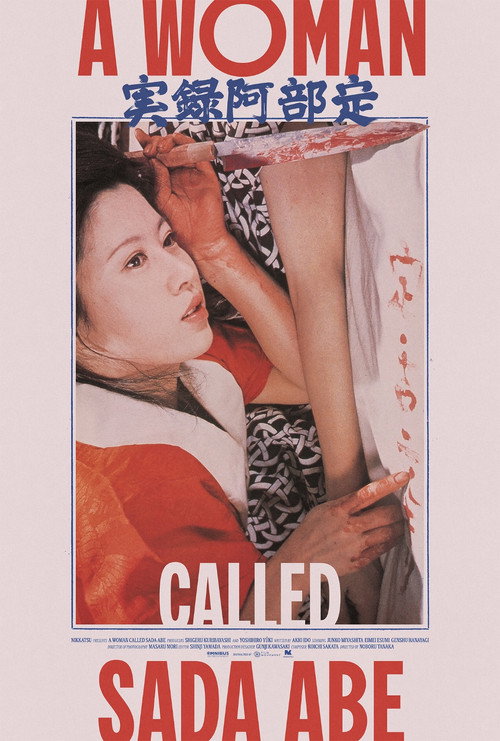
A Woman Called Sada Abe
1975
No user ratings available yet
Representation score: 7.4 out of 10

Representation Score
Fair
2011
Director
Kyōko Aizome
Runtime
80 minutes
Average Rating
No ratings yetNew Showbiz Analysis
Abe Sada: The Last Seven Days is a psychological historical drama centered around a transgressive female protagonist. By highlighting a figure defined by social deviance, the film questions the rigid moral certainties of 1930s Japan. Despite operating within a culturally specific and historically homogeneous setting, the film successfully disrupts traditional period drama conventions. It replaces passive female archetypes with a character whose intense, erratic passions fuel the central conflict and legal consequences. Ultimately, the film examines the tension between personal impulses and societal control. Using a controversial historical event, it critiques institutional morality and dismantles traditional social structures.
Category Breakdown
The film focuses on a heterosexual relationship between a man and a woman, with no clear depiction of LGBTQ+ relationships or non-conforming gender identities.
Abe Sada plays a key role in driving the plot, challenging the submissive feminine roles typical of 1930s Japan. She exhibits strong independence and physical autonomy.
Set in 1936 Japan, the film portrays a homogeneous society. It provides cultural specificity through its historical context rather than diverse ethnic representation.
The narrative challenges traditional moral and legal norms by focusing on a socially deviant figure. It emphasizes individual psychological truth over the state-sanctioned righteousness of the time.
The provided material contains no mention of characters with visible or invisible disabilities.
Present on Screen
Limited or Absent
Official Synopsis
In May 1936, the “Abe specific incident.” shook the entire country of Japan. It is said that Abe had a live-in maid (Yuma Asami), the owner of the restaurant’s employer Ishida (Nobuyuki Matsuda) was killed, that the cut is more localized. With respect to neither confirm nor deny the crime, frustrated by the testimony of the specific criminal Urakawa Abe (Shun Sugata). And the relentless questioning of Urakawa, we are told the circumstances leading to death and cut from the bodies of penis. Result of fierce passion between men and women debauched erratic, and saw two people … and the constant questioning after the incident, and the constant “last seven days” to depict that Katsuaki the in the here and now Abe no specific story that you have to watch it!
1975

1978
1984
1951

1999
1969
1978

1984
No reviews yet. Be the first to share your thoughts on this movie!
Use the rating form above to leave a star rating and optional review.