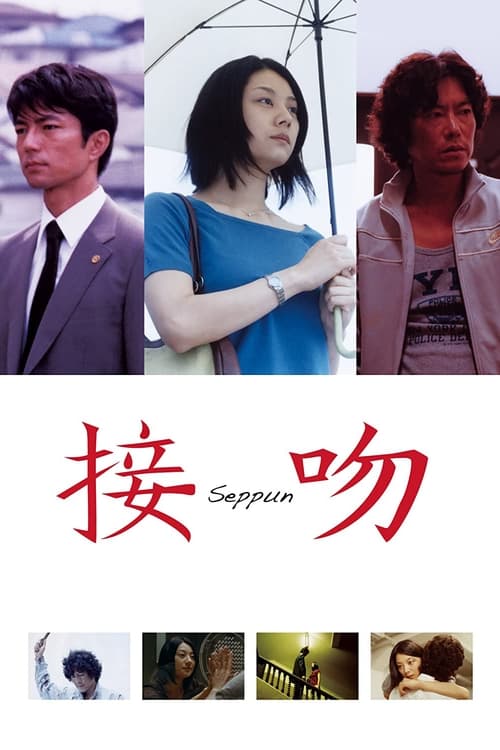
The Kiss
2007
No user ratings available yet
Representation score: 5.2 out of 10

Representation Score
Good
1999
Director
Shunichi Nagasaki
Runtime
78 minutes
Average Rating
No ratings yetNew Showbiz Analysis
Dogs is a gritty character study that effectively challenges traditional social hierarchies. By centering a actively leading female protagonist and a relationship built on transgression rather than societal norms, the film disrupts conventional expectations of gender and morality. The film's strength lies in its disruption of the protector/protected cliché. Miki’s role as a police officer who chooses complicity over civic duty provides a sophisticated critique of institutional authority and legal stability. However, the film remains limited by its homogeneous demographic focus and a lack of explicit identity markers. While the subtext is rich, the narrative lacks breadth in representing diverse identities.
Category Breakdown
The film explores a non-traditional intimacy rooted in shared criminality. While sexual identities remain unnamed, the bond between Miki and Koichi disrupts traditional romantic expectations through a connection formed in social deviance.
Miki serves as the primary agent of action, possessing significant physical and moral authority. This shifts traditional roles by placing female empowerment at the center while portraying the male lead as vulnerable.
As a localized Japanese production, the film operates within a specific cultural landscape. It lacks evidence of multi-ethnic casting, reflecting a more homogeneous demographic focus common to regional cinema of the era.
The narrative critiques institutional integrity by prioritizing personal ethics over legal duty. It frames crime as a survivalist response, deconstructing the reliability of traditional justice systems and moral frameworks.
The plot involves physical trauma from a car crash. However, it is unclear if disability is treated as a meaningful identity or simply a catalyst for the crime.
Present on Screen
Limited or Absent
Official Synopsis
A tough woman is dragging a weaker man deeper and deeper into crime. Woman cop Miki is chasing a wanted man when she stumbles on a crashed car and sees the driver, Koichi, ignite spilled petrol to kill himself and his passenger. She drags Koichi to safety, but the passenger dies. Miki says nothing to challenge the inquest finding of `accidental death', and when she visits Koichi in hospital he begins to understand that her complicity in his crime implies a sexual invitation. But a gumshoe has photos of the crash, and the only way to stall his blackmail is to kill him, the first of several murders...
2007
1949

1994

2011

1983
1997

2011

1995
No reviews yet. Be the first to share your thoughts on this movie!
Use the rating form above to leave a star rating and optional review.