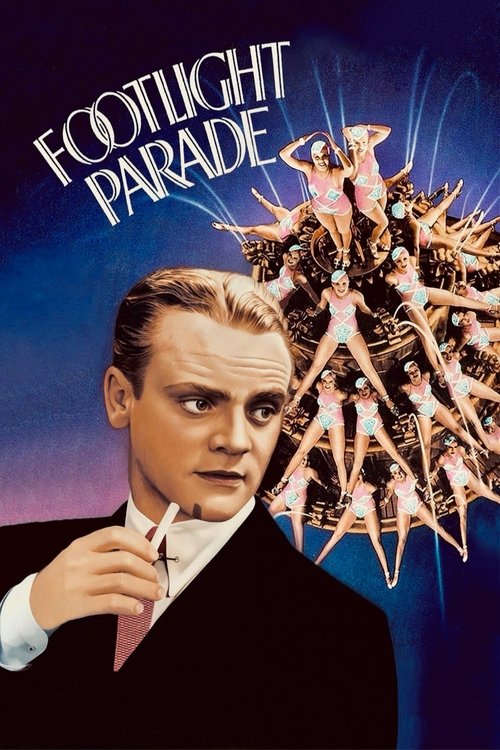
Footlight Parade
1933
No user ratings available yet
Representation score: 0.4 out of 10
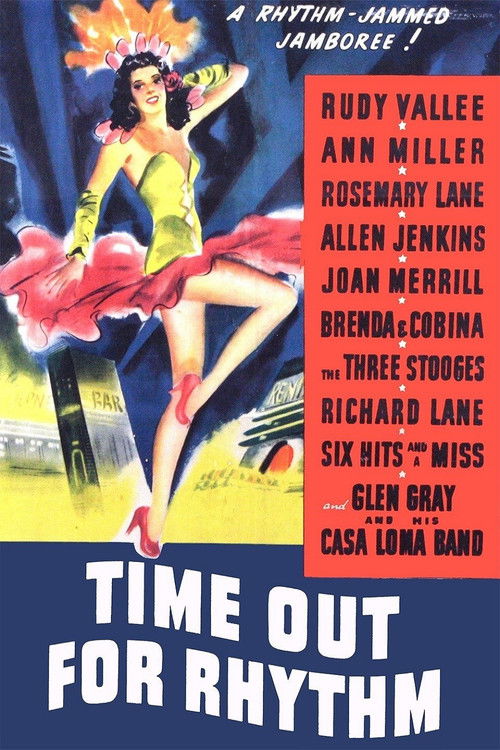
Representation Score
Minimal
1941
NRDirector
Sidney Salkow
Runtime
75 minutes
Average Rating
No ratings yetNew Showbiz Analysis
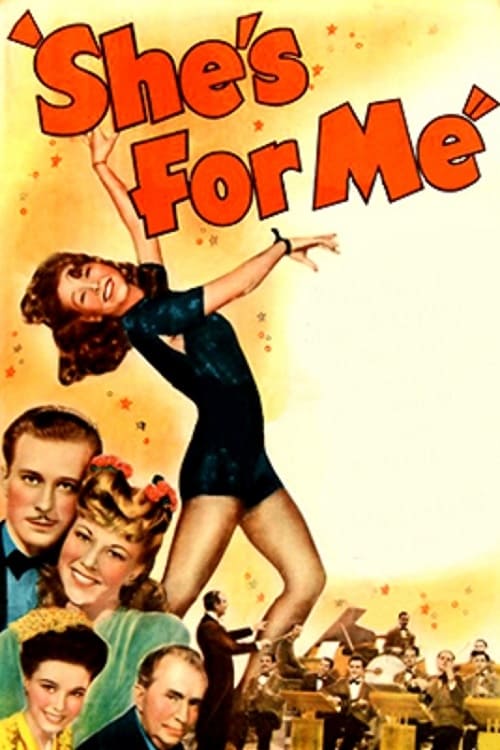
This musical comedy reflects the social norms of the early 1940s studio system, emphasizing established hierarchies and genre clichés. The plot progresses through predictable character types, such as the street-smart partner and the shy talent. Representation is constrained by the era's conventions, with restrictive gender roles and minimal racial diversity. Ultimately, the film offers a glimpse into the entertainment culture of its time without challenging prevailing norms.
Category Breakdown
The film adheres to traditional assumptions about gender and sexuality, with no representations of LGBTQ+ identities or critiques of conventional relationships.
Women play key roles but are often defined by their relationships with men. Some female characters are portrayed as having negative ambitions or being passive, requiring male guidance.
The cast is mostly white, typical of 1941 Hollywood. Latin musical influences are present, but characters of color have little impact on the story’s direction.
The story upholds Western ideals of career success and loyalty. It follows a conventional moral storyline focused on business ethics and professional advancement.
There are no depictions of visible or invisible disabilities in the narrative.
Present on Screen
Limited or Absent
Official Synopsis
A producer and his partner clash over two women in show business.
1933
1935
1940
1942
1941
1935
1943
1943
No reviews yet. Be the first to share your thoughts on this movie!
Use the rating form above to leave a star rating and optional review.