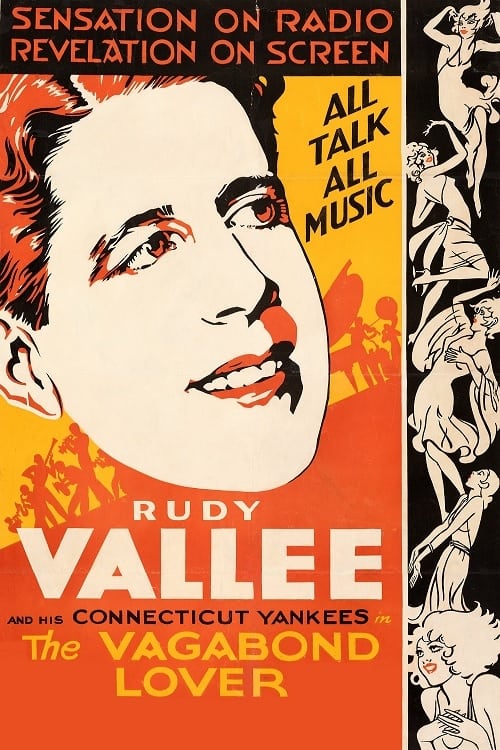
The Vagabond Lover
1929
No user ratings available yet
Representation score: 2.2 out of 10
No Poster Available
Representation Score
Limited
1937
ApprovedDirector
Marshall Neilan
Runtime
63 minutes
Average Rating
No ratings yetNew Showbiz Analysis
Thanks for Listening is a conventional 1937 comedy that adheres to the standard social and demographic frameworks of its time. While the plot avoids traditional heroic narratives by centering on a group of blackmailers, it lacks any intentionality to disrupt social hierarchies. The narrative relies heavily on established clichés, such as the 'con artist' and the 'sweetheart,' which reinforce mid-century norms. Characters function within a narrow demographic scope that lacks depth in reflecting multiple aspects of identity.
Category Breakdown
The film focuses on a traditional romance between Homer and Toots, with no representation of LGBTQ+ identities or non-assuming gender matches what was assigned at birth gender expressions.
Homer drives the main plot, while female characters Lulu and Trixie play active roles as con artists. The central emotional tension revolves around traditional romantic relationships.
The cast appears homogeneous, with no mention of non-white characters or diverse racial or ethnic backgrounds.
The story explores moral ambiguity through blackmail and deception, reinforcing traditional romantic ideals without challenging broader social structures.
The film does not provide any information about characters with visible or invisible disabilities.
Present on Screen
Limited or Absent
Official Synopsis
Homer Tompkins, a trusting young musician with aspirations of becoming a radio star, is installed in a fine set of offices in Reno by a quartet of con artists who have bugged rooms and suites, with the title of "professional listener", and he passes off what he hears to his employers, Lulu, Trixie, Maurice and Champ and they use the information for blackmail purposes. They also so involve his sweetheart, Toots, that he can not withdraw even when he finally learns he is being used as a tool.
1929
1929

1936

1931
1947
1933

1932
1938
No reviews yet. Be the first to share your thoughts on this movie!
Use the rating form above to leave a star rating and optional review.