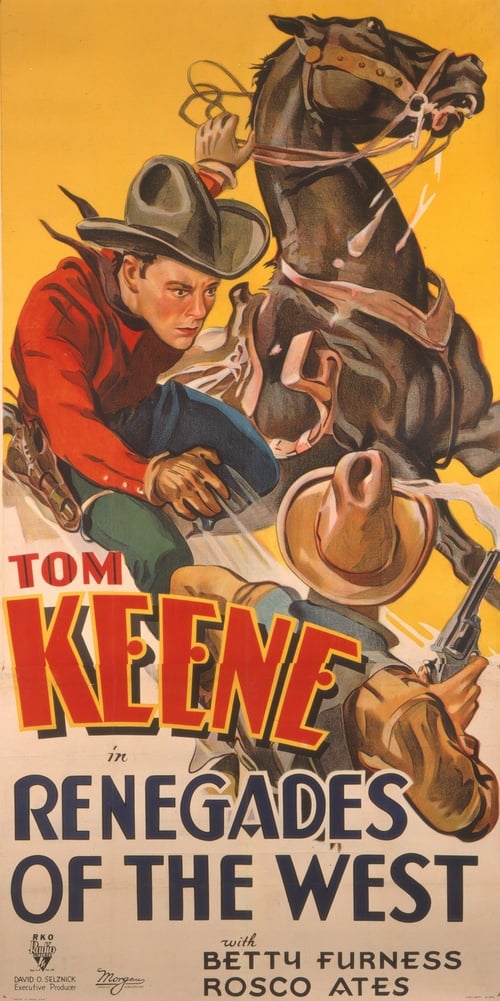
Renegades of the West
1932
No user ratings available yet
Representation score: 1.8 out of 10
Representation Score
Minimal
1933
PassedDirector
Alan James
Runtime
61 minutes
Average Rating
No ratings yetNew Showbiz Analysis
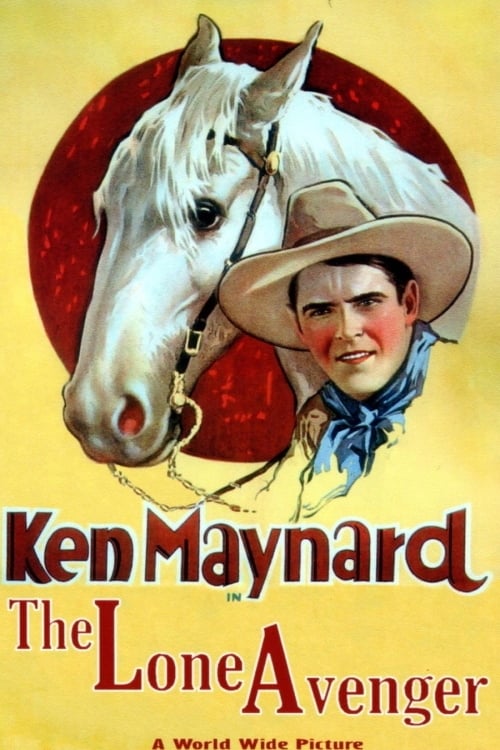
The Lone Avenger is a classic Western film from the early sound era, which adheres to traditional genre conventions and social norms. The story is driven by a male protagonist seeking to solve his father's murder, reinforcing traditional gender roles and patriarchal structures. Operating within the social constraints of its time, the film does not challenge or subvert these norms. Instead, it relies on familiar genre clichés and conventional moral frameworks. Overall, the film serves as a typical example of its genre and era, without exploring diverse identities or challenging the status quo.
Category Breakdown
The film does not include any characters with non-binary genders or same-sex relationships, sticking closely to the social norms of the early 1930s.
The story revolves around a male protagonist who investigates his father's death, emphasizing traditional gender roles and patriarchal control typical of Western films.
The film likely adheres to the era's standard casting practices, featuring primarily Anglo-Saxon actors without any indication of diverse backgrounds or multi-layered character development.
The plot centers on upholding family traditions and maintaining traditional Western values, highlighting the importance of legal order and moral righteousness.
The narrative does not feature any characters with visible or invisible disabilities.
Present on Screen
Limited or Absent
Official Synopsis
A prominent banker commits suicide. His son thinks otherwise and sets out to prove it.
1932
1935
1931
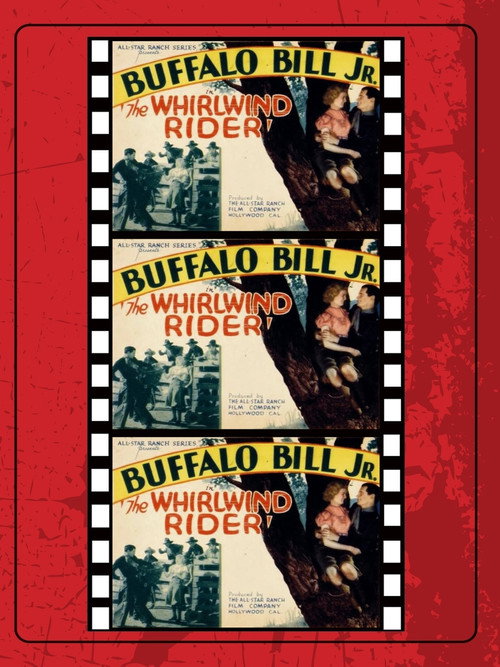
1934
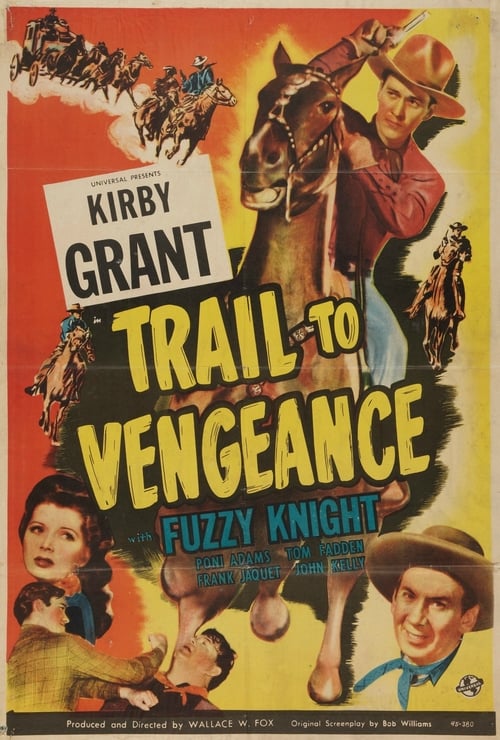
1945

1927
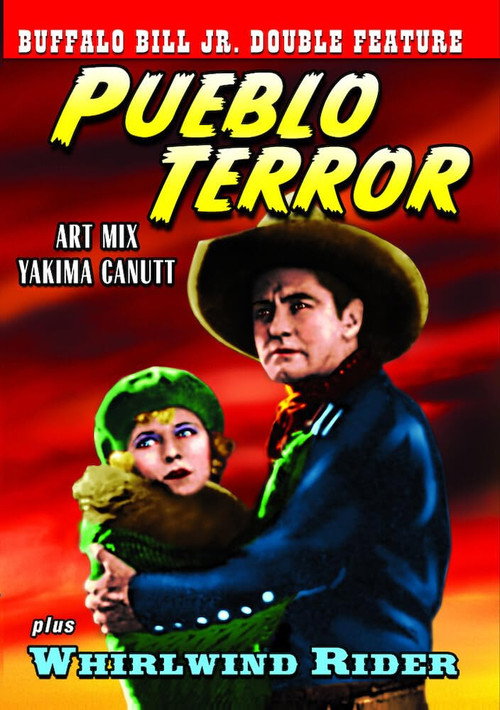
1931
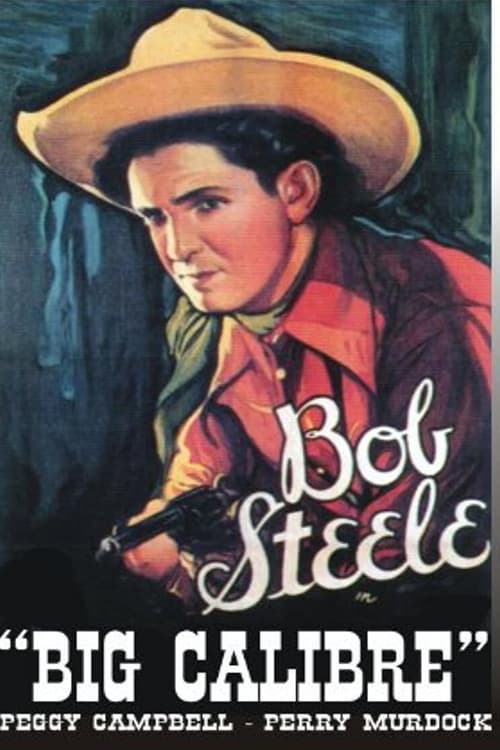
1935
No reviews yet. Be the first to share your thoughts on this movie!
Use the rating form above to leave a star rating and optional review.