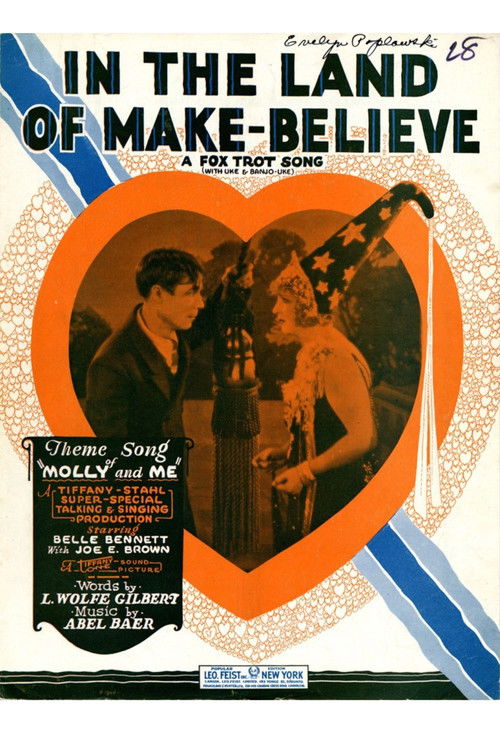
Molly and Me
1929
No user ratings available yet
Representation score: 0.0 out of 10
Representation Score
Limited
1929
ApprovedDirector
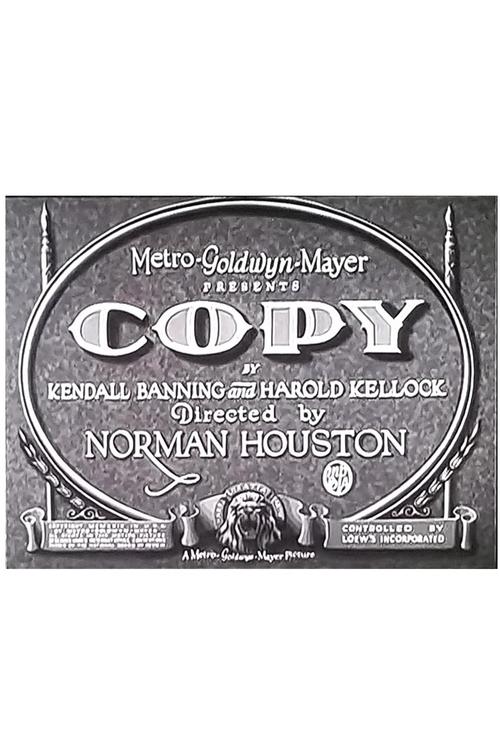
Norman Houston
Runtime
21 minutes
Average Rating
No ratings yetNew Showbiz Analysis
Norman Houston’s *Copy* is a product of its time, functioning as a typical period comedy rather than a vehicle for social critique. The film relies on traditional narrative structures and situational humor characteristic of the late 1920s. The production lacks representation that reflects multiple aspects of identity, reflecting the demographic and social norms of mainstream silent and early sound cinema. It focuses on localized, professional settings and conventional social structures without challenging them. Ultimately, the film offers a narrow view of society, adhering to the period's standard hierarchies without introducing diverse perspectives.
Category Breakdown
The film does not include any characters with non-binary gender identities or same-sex relationships. It follows the typical straight and cisgender assumptions common in 1929.
The newsroom setting implies a professional environment, but characters likely conform to traditional gender roles. There is no clear indication of women taking a leading role beyond the typical female archetypes of the time.
Casting likely mirrors the predominantly white makeup typical of mainstream American cinema from the late 1920s. There is no record of non-white majority or actors playing roles outside their traditional racial expectations.
The story focuses on Western institutions and civic issues such as steamboat safety. It operates within the conventional social morality prevalent in the early 20th century.
There are no visible or implied disabilities among the characters or within the plot description.
Present on Screen
Limited or Absent
Official Synopsis
On a slow news day, the wisecracking staff of a newspaper write articles about the serious safety issues of a local excursion steamboat line.
1929

1928

1926
1934
1938

1930
1920
1957
No reviews yet. Be the first to share your thoughts on this movie!
Use the rating form above to leave a star rating and optional review.