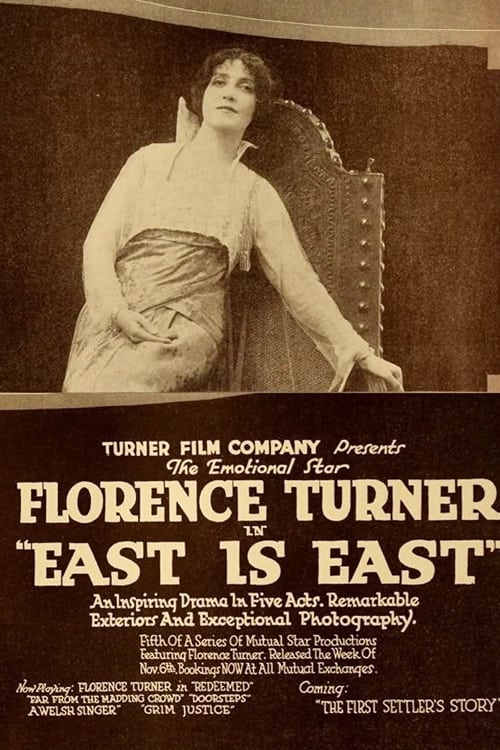
East Is East
1916
No user ratings available yet
Diversity score: 3.4 out of 10

1916
Director
Pyotr Chardynin
Runtime
37 minutes
Average Rating
No ratings yetSynopsis
Marianna advertises for work as a reader and is employed by the reclusive millionaire Dymov. Appreciative of her sensitive, artistic nature, and of her youthful innocence and purity, Dymov is protective of Marianna and shields her from the attentions of his philandering playboy son. Marianna confesses to her fiancé Sergei that, at times, she feels deeply conflicted, drawn by the seductive lure of wealth and luxury. When her protector Dymov dies, his son begins to pursue her. Can Marianna resist her attraction to the opulent lifestyle that Dymov's son offers?
Overall Score
Limited
Category Breakdown
LGBTQ+ Representation
The film lacks explicit evidence of non-heteronormative identities. The romantic framework centers on a traditional triangle involving a woman, her fiancé, and a wealthy man's son.
Gender Representation
Marianna offers a nuanced view of female agency through her internal conflict regarding wealth and loyalty. However, the plot remains heavily driven by the protective and predatory actions of men.
Racial & Ethnic Diversity
The narrative focuses on a homogeneous social stratum typical of 1916 Imperial Russia. There is no evidence of racial blending or non-Slavic casting within the story.
Religious & Cultural Diversity
The film explores class tensions and the corrupting influence of luxury. It critiques materialist values by framing opulent lifestyles as a seductive lure that creates moral ambiguity.
Disability Representation
There are no characters identified as having visible or invisible disabilities in the narrative.
Strengths
Areas for Improvement
AI Analysis
Mirages is a period drama that prioritizes psychological interiority and class dynamics over modern intersectional representation. It succeeds in moving beyond simple moral binaries by exploring the gray areas of social ambition. While the film provides a sophisticated look at how economic structures influence individual agency, it remains limited by the social hierarchies of its era. The narrative is largely centered on traditional romantic and patriarchal structures. Ultimately, the film's depth comes from its character-driven exploration of desire and class, even as it lacks diversity in terms of race, gender roles, and sexual orientation.
1916
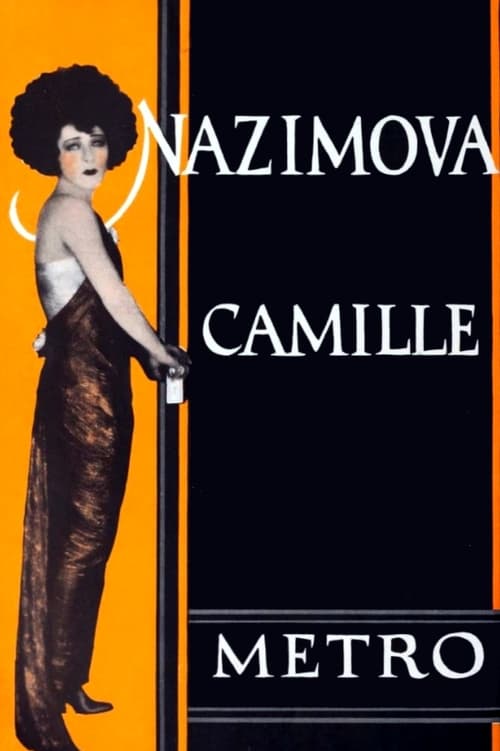
1921
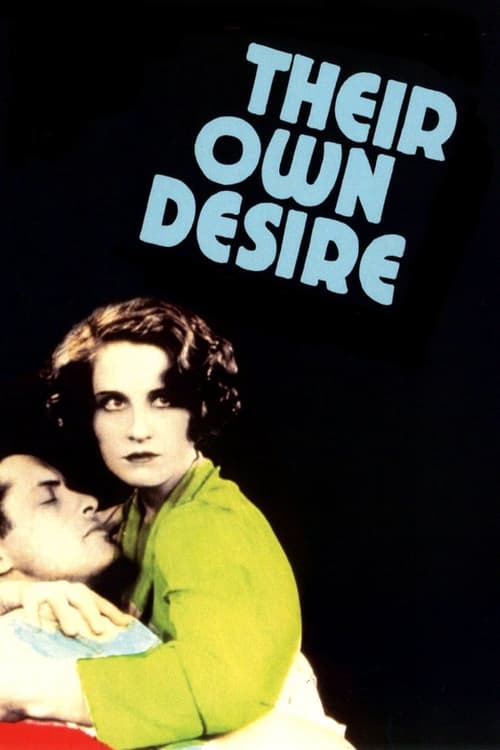
1929
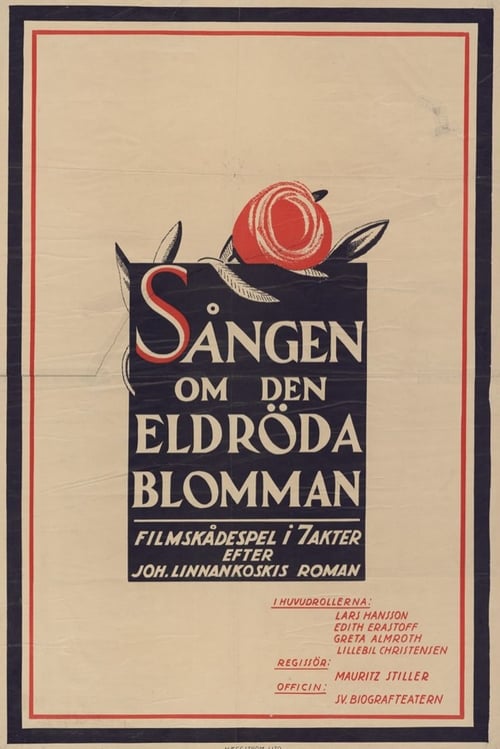
1919
1932
1927
1932
1931
1915
1944
1921
1989
No reviews yet. Be the first to share your thoughts on this movie!
Use the rating form above to leave a star rating and optional review.