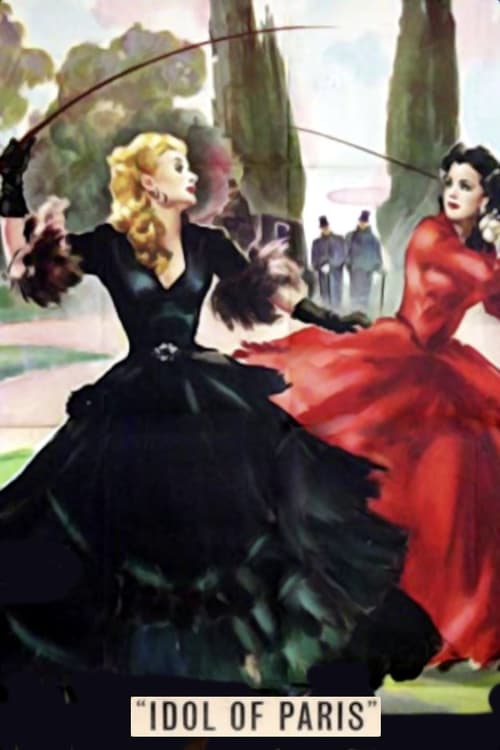
Idol of Paris
1948
No user ratings available yet
Diversity score: 2.9 out of 10
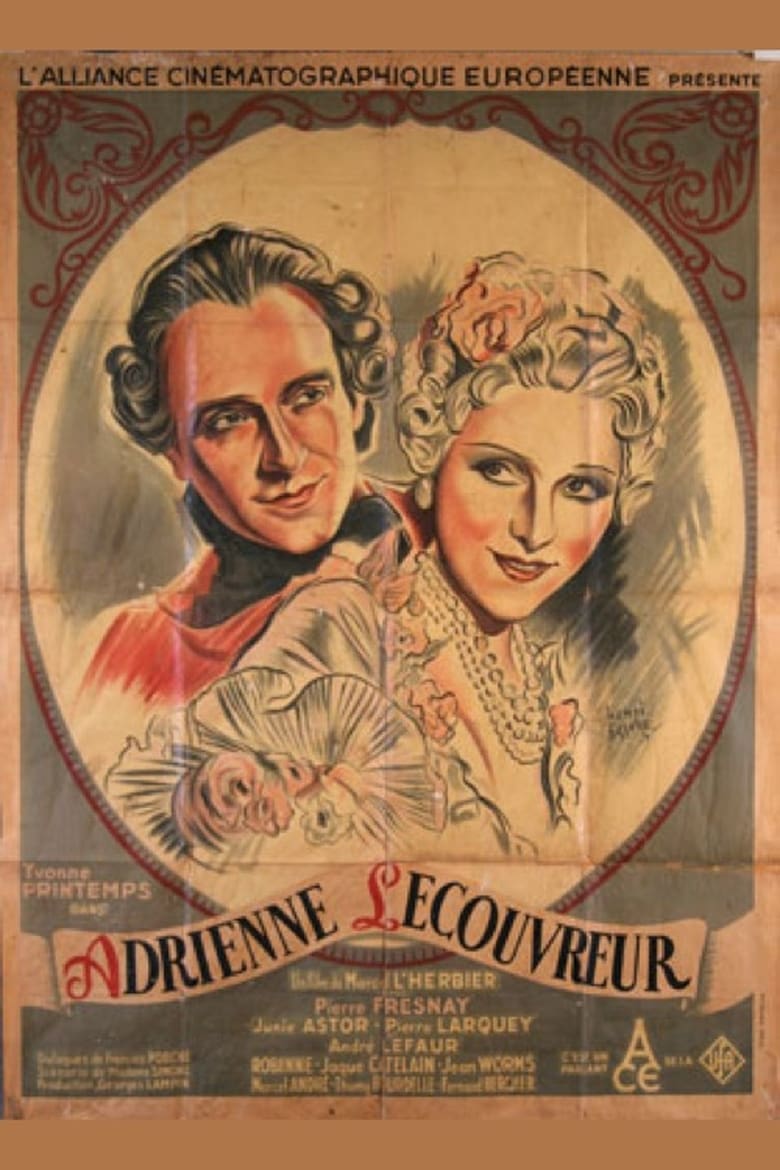
1938
Director
Marcel L'Herbier
Runtime
106 minutes
Average Rating
No ratings yetSynopsis
Adrienne Lecouvreur is an acclaimed actress who falls in love with Polish prince Maurice de Saxe, only to be poisoned by a jealous rival while Maurice is away at war. The film was a co-production between the two countries, and was made at UFA's Berlin Studios. It was based on the 1849 play Adrienne Lecouvreur by Eugène Scribe and Ernest Legouvé about the life of the eighteenth century actress Adrienne Lecouvreur.
Overall Score
Limited
Category Breakdown
LGBTQ+ Representation
The film adheres to heteronormative romantic structures typical of 18th-century biographical dramas. No non-cisnormative identities or same-sex intimacy are present.
Gender Representation
Adrienne is a woman of significant professional agency within a male-dominated theater. However, her trajectory remains tied to romantic entanglements with male aristocrats.
Racial & Ethnic Diversity
The cast is predominantly white and European, reflecting the historical setting and 1938 production context. There is no intentional integration of non-white identities.
Religious & Cultural Diversity
This historical biopic depicts rigid 18th-century French social hierarchies. It prioritizes individual romantic tragedy over any modern critique of these institutions.
Disability Representation
No visible or invisible disabilities are portrayed within the primary character arcs. Disability is not used as a central theme.
Strengths
Areas for Improvement
AI Analysis
Marcel L'Herbier’s drama is a classical biographical study that prioritizes historical decorum over systemic subversion. While the film centers on a female protagonist with professional strength, the narrative remains tethered to traditional gender hierarchies and romantic tropes. The production reflects the social constraints of the 1938 era and its 18th-century subject matter. It lacks racial diversity and intersectional complexity, focusing instead on the personal tragedy of a celebrated actress. Ultimately, the film functions as a traditional period piece. It reinforces the social structures of the Ancien Régime rather than attempting to deconstruct them through a progressive lens.
1948
1928
1950
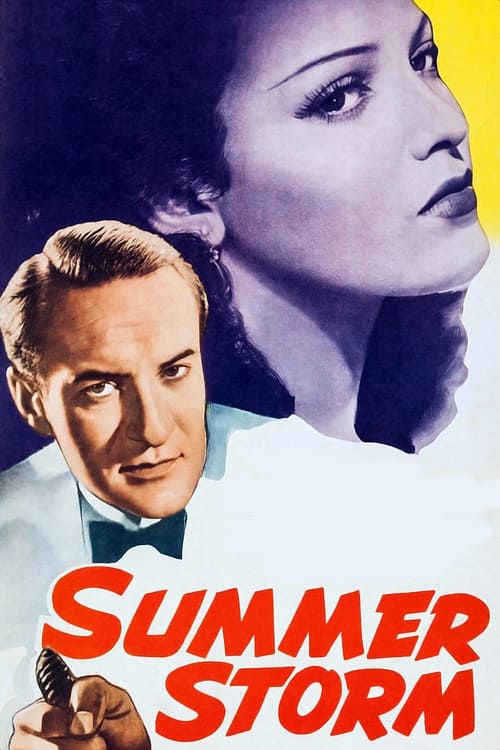
1944
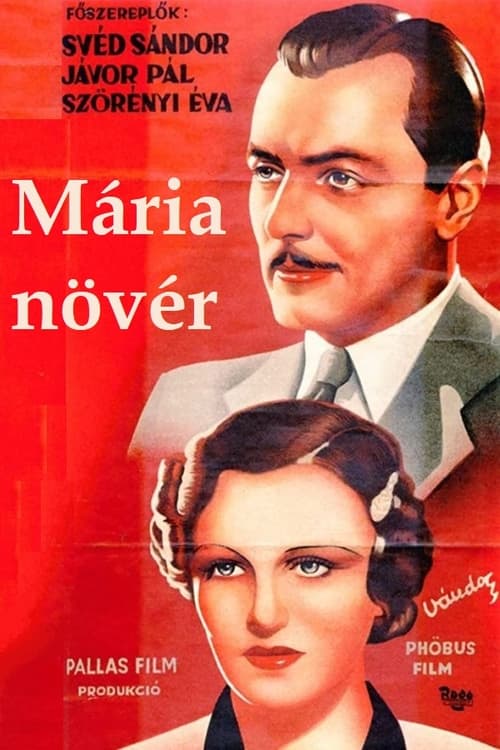
1937
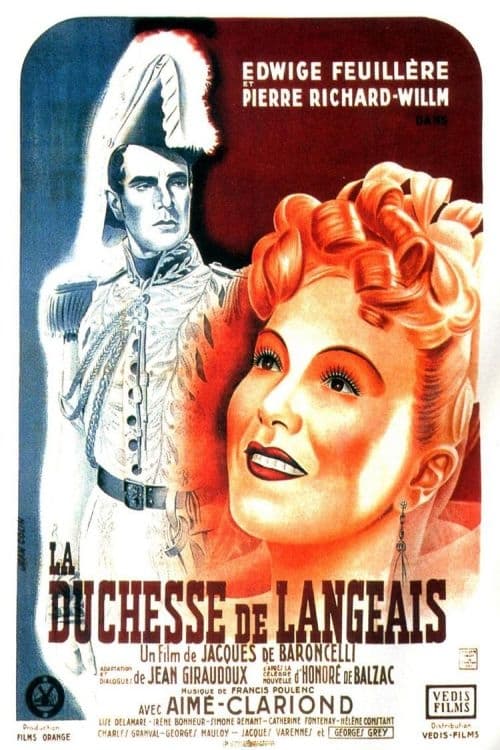
1942
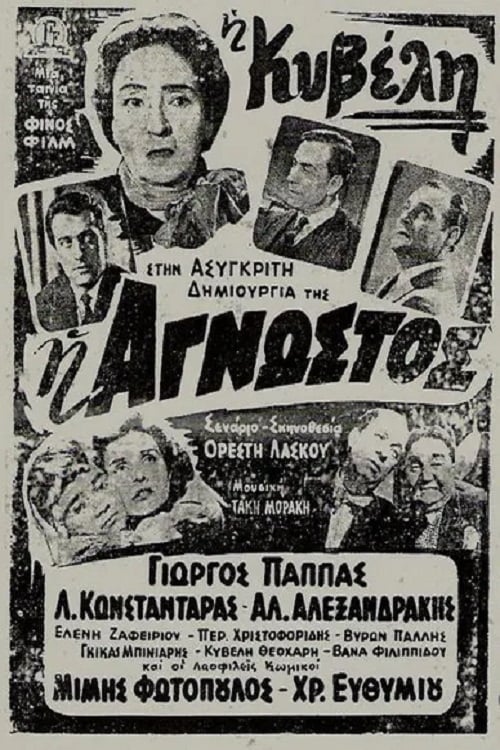
1954

1949
1934
1944
1933
1925
No reviews yet. Be the first to share your thoughts on this movie!
Use the rating form above to leave a star rating and optional review.