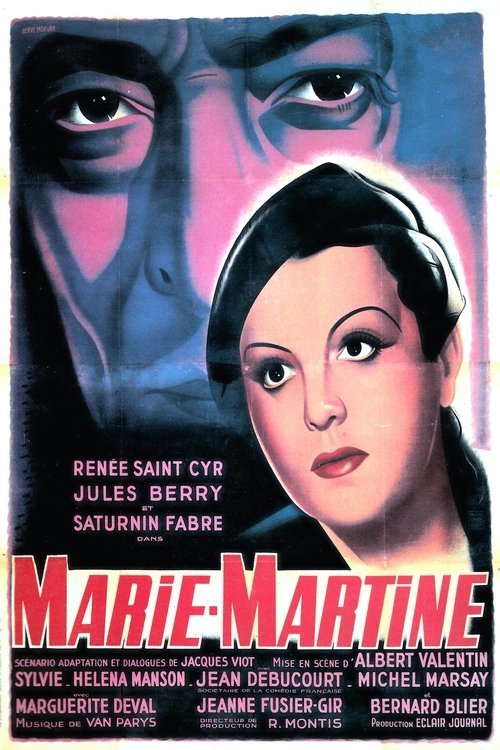
Marie-Martine
1943
No user ratings available yet
Diversity score: 2.5 out of 10

1942
Director
Jacques de Baroncelli
Runtime
99 minutes
Average Rating
No ratings yetSynopsis
Edwige Feuillère and Pierre Richard-Willm star in director Jacques de Baroncelli's adaptation of the Balzac novella The Duchesse de Langeais, which tells the tale of a Parisian socialite who is romantically pursued by a Napoleonic war hero. With a screenplay by Jean Giraudoux.
Overall Score
Limited
Category Breakdown
LGBTQ+ Representation
The film adheres to heteronormative structures typical of its era. There is no evidence of non-cisnormative identities or same-sex intimacy within the narrative.
Gender Representation
The Duchess offers a complex study of female agency and emotional autonomy. However, the story remains tethered to traditional romantic tropes and patriarchal social hierarchies.
Racial & Ethnic Diversity
Set in Napoleonic-era Paris, the casting reflects a homogeneous social structure. The film does not challenge Eurocentric focus or subvert racial hierarchies.
Religious & Cultural Diversity
The narrative critiques the superficiality of high-society institutions through a Western classical lens. It focuses on class complexities and the destructive nature of passion.
Disability Representation
No characters with visible or invisible disabilities are central to the narrative or used as plot devices.
Strengths
Areas for Improvement
AI Analysis
Wicked Duchess is a traditional period drama that prioritizes psychological depth and literary adaptation over modern diversity standards. While the screenplay provides a sophisticated look at human psychology, the film remains firmly rooted in the social hierarchies of its historical setting. The production excels in character complexity, particularly regarding the female lead's autonomy. However, it lacks representation across most other demographic categories, reflecting the era's homogeneous social landscape. Ultimately, the film is a study of class and passion that operates within established Western traditions, offering little in the way of racial or LGBTQ+ inclusivity.
1943
1943
1926
1944
1959
1948
1938
1946
1946

2013
2012
1960
No reviews yet. Be the first to share your thoughts on this movie!
Use the rating form above to leave a star rating and optional review.