Boules Game
1896
No user ratings available yet
Diversity score: 1.3 out of 10
1895
Director
Louis Lumière
Runtime
1 minutes
Average Rating
No ratings yetSynopsis
A man and a woman, observed by others, are playing a game of Tric-trac, a French variant of Backgammon. During the course of the game, the man gets caught red-handed, which results in him closing the game board.
Overall Score
Limited
Category Breakdown
LGBTQ+ Representation
The film offers a brief glimpse of a man and woman in a social setting. No queer subtext or non-cisnormative identities are present in this observation.
Gender Representation
A woman participates actively in the game, though the interaction follows traditional social patterns. The man's abrupt reaction to being caught creates a momentary shift in the social dynamic.
Racial & Ethnic Diversity
The cast appears homogeneous, reflecting the demographic realities of 1895 France. There is no evidence of racial blending or diverse ethnic casting.
Religious & Cultural Diversity
The footage documents a traditional Western leisure activity through the game of Tric-trac. It captures established social customs rather than challenging institutional or cultural norms.
Disability Representation
No visible or invisible disabilities are documented in this brief observational footage.
Strengths
Areas for Improvement
AI Analysis
This early documentary serves as a candid observation of late 19th-century French life. It functions as a historical record of social customs rather than a narrative designed to subvert or represent diverse identities. The film lacks intentionality regarding modern sociopolitical frameworks. It primarily captures the homogeneous demographic realities of its era, focusing on a standard social interaction between a man and a woman. While the footage provides a window into period-typical recreational norms, it offers almost no representation of marginalized groups or non-traditional social structures.
1896

1899
1896

1895

1896
1896

1895

1895
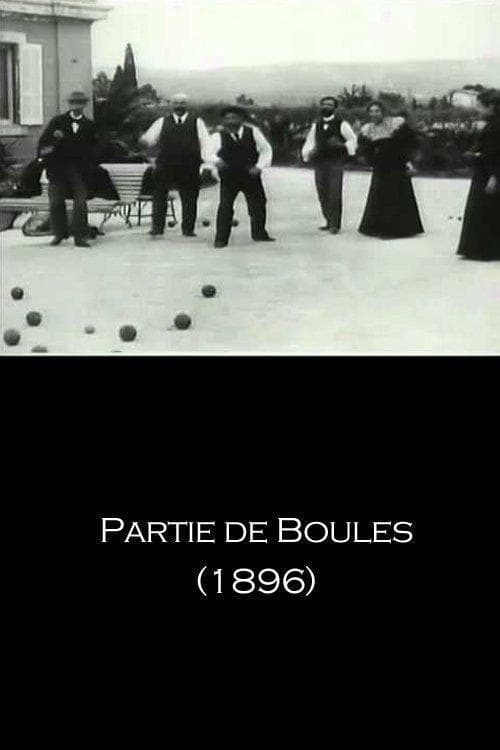
1896

1895
1896

1895
No reviews yet. Be the first to share your thoughts on this movie!
Use the rating form above to leave a star rating and optional review.