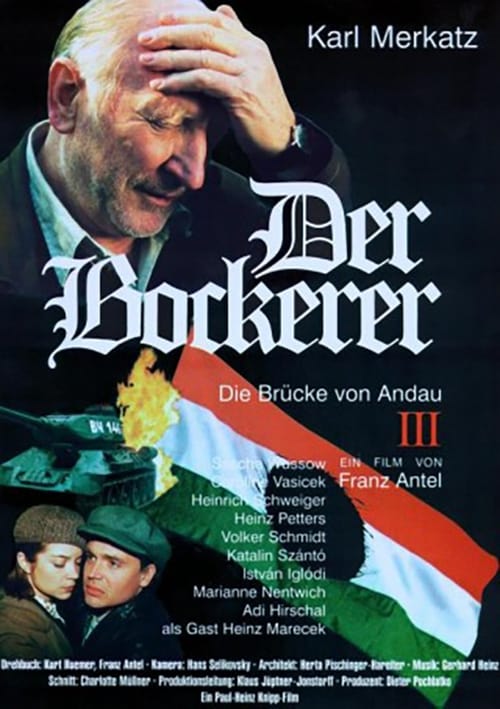
Der Bockerer III - Die Brücke von Andau
2000
No user ratings available yet
Diversity score: 3.6 out of 10
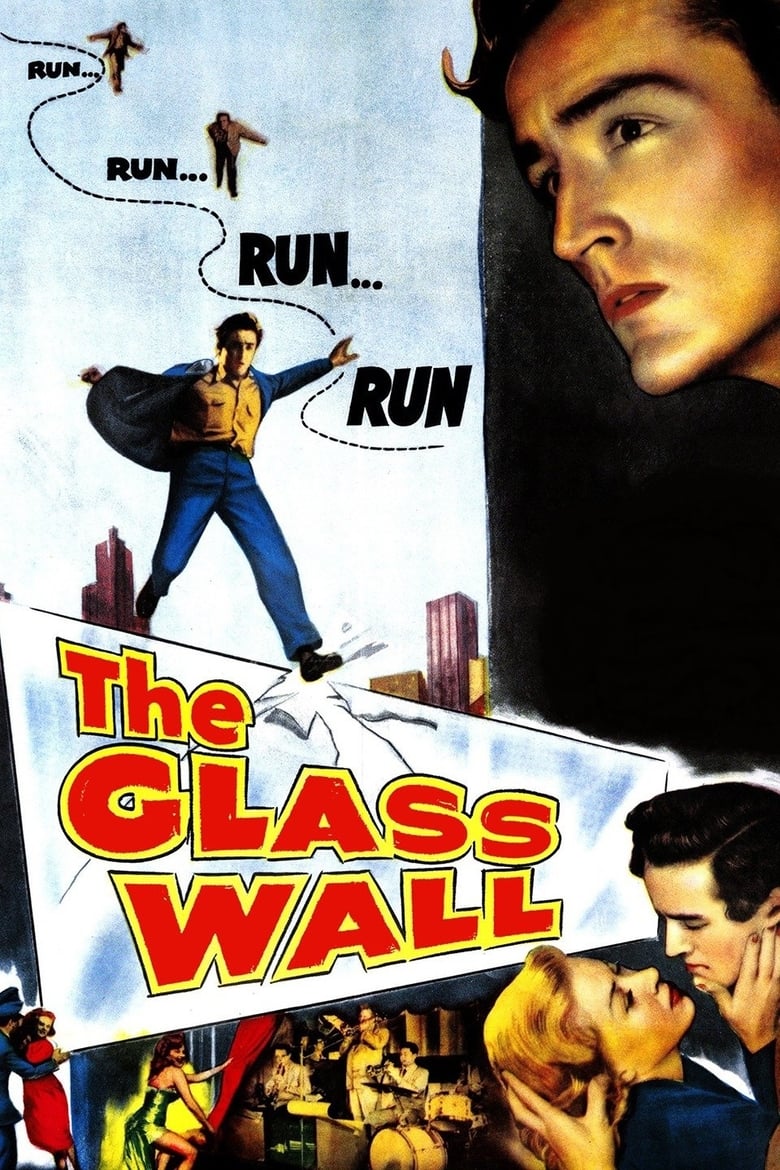
1953
Director
Maxwell Shane
Runtime
82 minutes
Average Rating
No ratings yetSynopsis
Peter Kuban, a Hungarian refugee, is about to be deported after jumping ship in New York harbor. He needs to find an ex-G.I. named Tom whom he helped during the war, as Tom can prove Peter's right to legal entry into the United States. If he can't find Tom within 24 hours and prove his case, he will be branded a fugitive and will be permanently disqualified for U.S. citizenship.
Overall Score
Fair
Category Breakdown
LGBTQ+ Representation
The film offers no evidence of LGBTQ+ characters or non-cisnormative identities. The narrative focuses exclusively on the protagonist's legal and survivalist struggles.
Gender Representation
The story centers on a male-dominated conflict between a refugee and a veteran. It lacks female characters with high agency or subversions of mid-century gender hierarchies.
Racial & Ethnic Diversity
By centering a Hungarian refugee, the film disrupts a purely homogeneous American narrative. It explores the complexities of ethnic identity and the struggle for integration.
Religious & Cultural Diversity
The film examines the friction between individuals and state institutions. It highlights the systemic vulnerability of immigrants facing rigid immigration laws and institutional authority.
Disability Representation
There is no documented evidence regarding the portrayal of physical or neurodivergent disabilities in this work.
Strengths
Areas for Improvement
AI Analysis
The Glass Wall serves as a period-specific exploration of the immigrant experience in post-WWII America. It finds its strength in centering a non-Anglo-Saxon protagonist, which provides a degree of ethnic depth and highlights the precarious nature of legal status. However, the film remains tethered to the social and gendered conventions of 1953. The narrative architecture lacks intersectional complexity, focusing instead on traditional masculine archetypes of war, debt, and legal struggle. Ultimately, while the film offers a nuanced view of institutional authority, it lacks representation across most other diversity metrics, particularly regarding gender and LGBTQ+ identities.
2000
1983
1965

1966
1936
1938
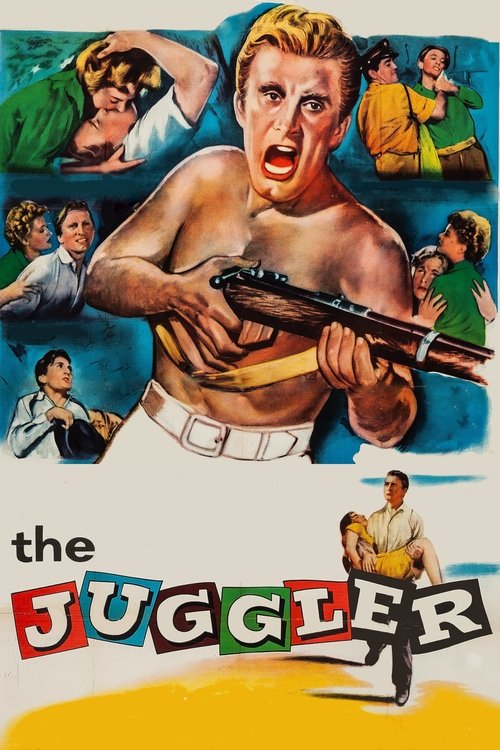
1953
1998

1954
1977
1956

2010
No reviews yet. Be the first to share your thoughts on this movie!
Use the rating form above to leave a star rating and optional review.