Experimental Animation
1933
No user ratings available yet
Representation score: 0.0 out of 10
Representation Score
Minimal
1936
Director
Len Lye
Runtime
4 minutes
Average Rating
No ratings yetNew Showbiz Analysis
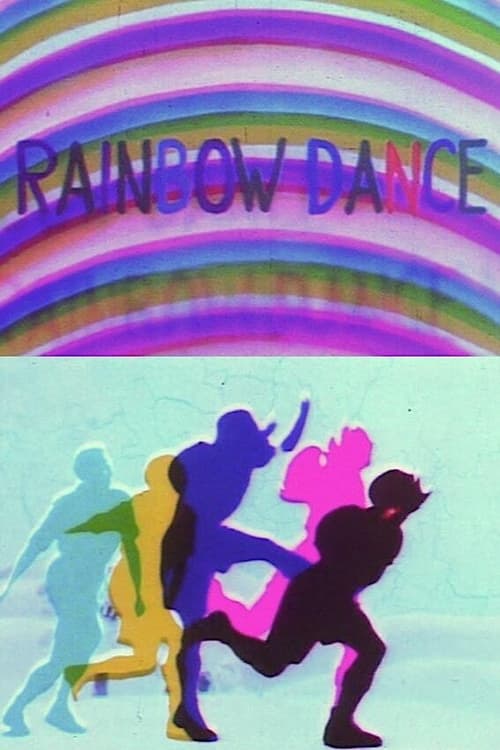
Len Lye’s *Rainbow Dance* is a pioneering work of avant-garde animation that emphasizes kinetic abstraction over traditional storytelling. Utilizing the Gasparcolor process, the film explores color, light, and syncopated movement through a formalist lens. Since the work is entirely non-narrative and abstract, it lacks the symbolic framework needed to engage with identity-based representation. There are no characters, dialogue, or human figures to provide a basis for social or multi-layered analysis. The film’s importance lies in its technical innovation and its role as a precursor to the modern music video. Its contribution to cinema is purely formal rather than a vehicle for exploring social hierarchies or human identity.
Category Breakdown
The film is an exercise in direct animation using rhythmic color bursts. It contains no characters or dialogue, making it impossible to depict sexual orientation.
The narrative structure is non-human and non-anthropomorphic. There are no depictions of gendered roles or interpersonal power dynamics.
The film operates in a purely visual, non-representational space. There are no human figures or ethnic signifiers within this abstract expressionism.
The work functions as a sensory experience rather than social commentary. It does not engage with institutional, religious, or political frameworks.
The film focuses on the mechanics of color and motion. No characters are portrayed with physical or neurodivergent traits.
Present on Screen
Limited or Absent
Official Synopsis
Rainbow Dance is a 1936 British animated film released by the GPO Film Unit. This is Lye's second film. It uses the Gasparcolor process.
1933
1940

1947
1947

1939
1935
1935

1938
No reviews yet. Be the first to share your thoughts on this movie!
Use the rating form above to leave a star rating and optional review.