
Maddalena
1954
No user ratings available yet
Representation score: 0.5 out of 10
Representation Score
Limited
1949
Director
Augusto Genina
Runtime
111 minutes
Average Rating
No ratings yetNew Showbiz Analysis
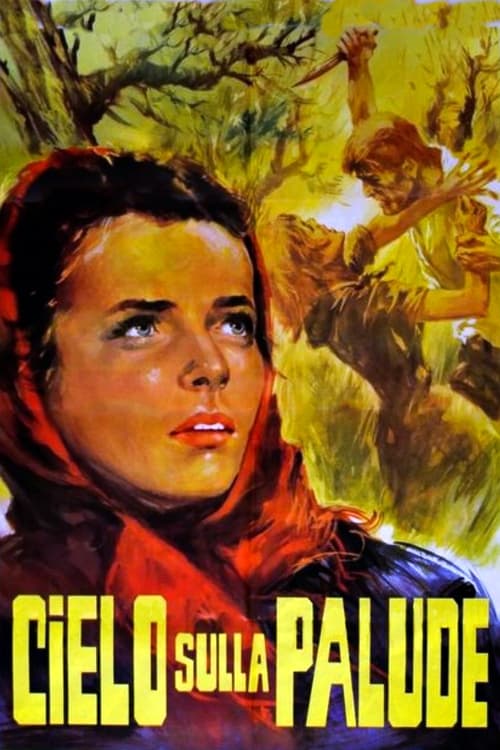
Heaven Over the Marshes is a traditionalist hagiographic drama that prioritizes religious sanctity over social diversity. The film functions as a moral lesson, centering on the martyrdom of Maria Goretti to reinforce established spiritual hierarchies. The narrative relies on a homogeneous Italian setting and adheres to strict period-specific gender and moral structures. It lacks diverse representation, focusing instead on the preservation of traditional Western values and religious virtue. Ultimately, the film serves as a celebration of piety, offering a singular moral perspective that reinforces conventional social and religious norms rather than challenging them.
Category Breakdown
The film centers on religious martyrdom and the preservation of chastity. It does not include any representation of LGBTQ+ identities, instead emphasizing traditional sexual morality through the protagonist's resistance to seduction.
Maria Goretti is the central figure, but her role is defined by her spiritual endurance rather than social dominance. The male characters are portrayed through predatory behavior to serve a moral lesson.
Set in the Pontine Marshes, the film features a homogeneous demographic. The casting reflects the localized Italian historical context without any evidence of diverse representation.
The narrative is deeply rooted in singular Christian morality and religious sanctity. It reinforces Western religious institutions by positioning piety and martyrdom as the ultimate human achievements.
The disease-ridden setting provides a backdrop of physical hardship. However, sickness serves primarily as a somber atmospheric element rather than a nuanced portrayal of disability or personal empowerment.
Present on Screen
Limited or Absent
Official Synopsis
Unlike most Italian films of the 1940s, Augusto Genina's Cielo Sulla Palude opened in Venice rather than Rome. The film's American title was Heaven Over the Marshes, and indeed most of the story is set in the disease-ridden Pontine Marshes on the outskirts of Rome. This was the home of Maria Goretti, a pious young girl who was murdered by her would-be seducer. For reasons elucidated in the course of the film, Maria's short time on earth made her worthy of Sainthood, which was actually bestowed upon her shortly after the release of this film. Maria Goretti is well-played by Ines Orsini. Cielo Sulla Palude served as the comeback feature for director Augusto Genina, whose previous pro-fascist films had caused him to be blacklisted after WW II.
1954

1950

2003
1987

1942

1943
1981

1954
No reviews yet. Be the first to share your thoughts on this movie!
Use the rating form above to leave a star rating and optional review.