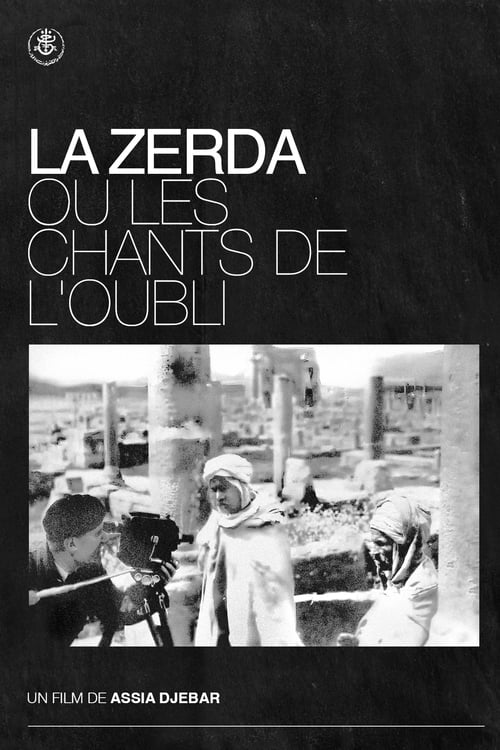
The Zerda or the Songs of Forgetting
1983
No user ratings available yet
Representation score: 7.2 out of 10
Representation Score
Good
1978
Director
Assia Djebar
Runtime
115 minutes
Average Rating
No ratings yetNew Showbiz Analysis
Assia Djebar’s film is a landmark of storytelling that overlaps different aspects of identity, disrupting traditional power dynamics. By centering the roles of Algerian women, the work challenges both gendered and colonial hierarchies. It successfully uses cinema to reconstruct histories sidelined by dominant systemic structures. The film excels in its refusal of the Western gaze, offering a deeply indigenous perspective on North African identity. It elevates oral tradition to a sophisticated form of political and cultural resistance. While the film lacks specific LGBTQ+ representation, its strong focus on gendered ability to act and ethnic authenticity makes it a vital piece of post-colonial cinema.
Category Breakdown
The film does not include explicit LGBTQ+ characters or narratives focused on non-straight identities. Instead, it highlights the communal and matrilineal structures of rural Algerian society.
This work significantly challenges patriarchal hierarchies by focusing on an all-female cast. Women are shown as the primary agents of cultural preservation rather than passive subjects of history.
The film offers a self-authored portrayal of Algerian women, moving away from the Western perspective. It emphasizes indigenous cultural expressions and non-Eurocentric views on identity.
The narrative celebrates indigenous spirituality and oral histories over official colonial records. It uses communal traditions to challenge the dominance of Western historical frameworks.
There is no documented evidence regarding the representation of physical or neurodivergent disabilities within the film.
Present on Screen
Limited or Absent
Official Synopsis
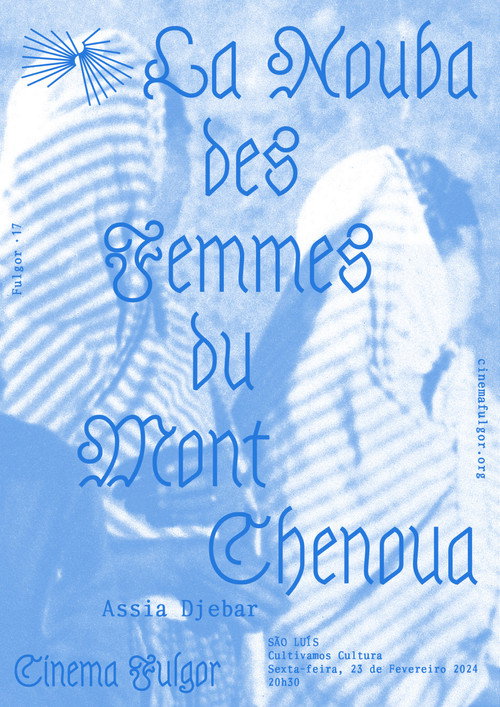
Writer and filmmaker Assia Djebar explores Algerian history, the psychological impact of war, and post-colonial female identity in this 1979 classic of film literature. Named for (and taking its structure from) a traditional song with five distinct movements, the film combines documentary-style observation with loose narrative form to tell the story of Lila, an Algerian expatriate returning to her country 15 years after independence has been won. In comparing her life with the lives and experiences of rural Algeriennes, Lila is able to put her childhood demons to rest and discover a new history -- one written in the ongoing strength of generations of women. Like much of Djebar's writing, the film has a strong subtext dealing with resistance to patriarchy and women's desire to appropriate the means of power and expression -- one of which, of course, is the filmmaker's camera.
1983
1988
1975
2000
1989
1978
1981
2008
No reviews yet. Be the first to share your thoughts on this movie!
Use the rating form above to leave a star rating and optional review.