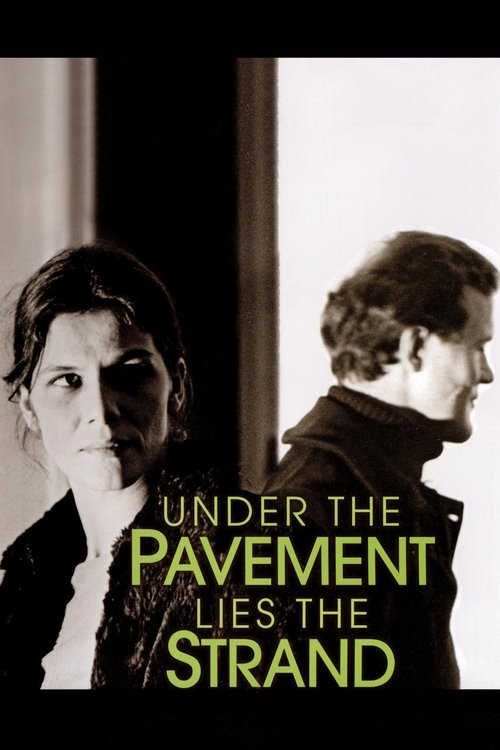
Under the Pavement Lies the Strand
1975
No user ratings available yet
Representation score: 8.1 out of 10
Representation Score
Fair
1978
Director
Helke Sander
Runtime
98 minutes
Average Rating
No ratings yetNew Showbiz Analysis
Helke Sander’s work is a crucial piece of feminist documentation that challenges traditional cinematic structures. By blending documentary and drama, the film elevates the life of a female freelancer to a central role. The film effectively disrupts traditional gender power dynamics. It replaces the conventional patriarchal viewpoint with a collective female perspective, although its focus is limited to the socio-economic context of West Germany. Ultimately, the film serves as a critique of both capitalist structures and the domestic expectations placed on women in a divided city.
Category Breakdown
The film highlights a single mother and a group of women, focusing on non-traditional family structures that support alternative forms of kinship.
It disrupts typical domestic narratives by centering a professional freelance photographer and a women's photography group, which shifts the focus to collective female empowerment.
The story is set in 1970s West Berlin and focuses on socio-economic issues within the middle class, rather than exploring the intersection of race and ethnicity.
The film criticizes Western institutions by emphasizing the subjective experiences of freelancers over political power, highlighting the value of personal, lived realities.
There is no indication of the portrayal of physical or neurodivergent disabilities in this work.
Present on Screen
Limited or Absent
Official Synopsis
Edda Chiemnyjewski, a freelance press photographer and single mother living in 1970s West Berlin, is confronted with the fact that "a cook has no time for affairs of state". She also fails to find a market for the project she has been working on with her women′s photography group that seeks to document the city. While from today′s perspective the city, which becomes one of the film′s protagonists, looks like post-war Berlin, little has actually changed as regards the precarious existence of free-lancers. With a heavy dose of self-irony Helke Sander, who also plays the leading role, tells of a divided life in a divided city.
1975
2003

1975
1982
1983

1964
1985

1978
No reviews yet. Be the first to share your thoughts on this movie!
Use the rating form above to leave a star rating and optional review.