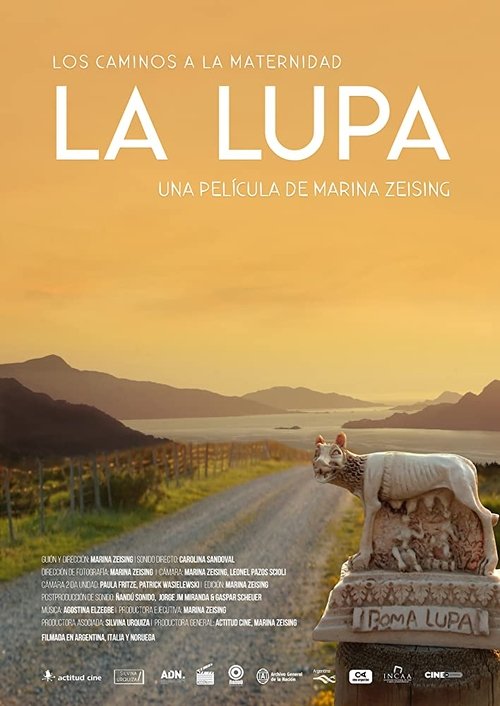
La Lupa
2019
No user ratings available yet
Representation score: 6.8 out of 10

Representation Score
Excellent
2008
Director
Alina Marazzi
Runtime
85 minutes
Average Rating
No ratings yetNew Showbiz Analysis
Alina Marazzi’s documentary is a powerful exercise in feminist storytelling that prioritizes lived experience over detached objectivity. By using the personal diaries of three women, the film effectively dismantles the traditional, male-dominated historical record. The work excels at challenging gender hierarchies and transforming the domestic sphere from a site of restriction into a landscape of struggle and autonomy. However, the film's scope is limited. While it offers deep insights into Italian class and regional differences, it lacks significant representation of racial or disability-related issues, focusing instead on the socio-political development of women.
Category Breakdown
The film provides a narrative space for non-traditional identities by moving away from conventional societal roles. Although there are no explicit depictions of same-sex intimacy, the emphasis on personal freedom hints at the potential for greater LGBTQ visibility.
This documentary focuses on three women who challenge patriarchal structures. It portrays the domestic sphere as a restrictive environment, giving the subjects significant roles to transcend traditional roles like 'obedient wife.'
Diversity in the film is centered around socioeconomic and regional Italian identities rather than multiple racial backgrounds. The film explores various social backgrounds and urban settings within a specific geographic context.
The film critiques traditional Western institutions and the patriarchal family structure. It prioritizes subjective truth over religious or institutional doctrine, presenting these structures as forces that suppress individual identity.
The narrative focuses on the socio-political transitions of young women. There are no characters with visible or invisible disabilities that serve as meaningful narrative drivers.
Present on Screen
Limited or Absent
Official Synopsis
The film looks again at recent events from a female point of view, through the first-hand accounts provided by the diaries of three women. Rather than focusing on the alleged objectivity of facts, the film gives space to a chorus of voices that narrate those events in first person, visually supported by archival footage of the period, drawn from the most varied sources - institutional, public, militant and private. Anita, Teresa and Valentina come from different Italian regions and different social backgrounds, but share the same feelings: they no longer feel as part of a society based on the patriarchal family, on the power of "husbands" and on the supremacy of males, which requires them to be efficient mothers, obedient wives and virtuous daughters.
2019

1965
2014
2023

1971
1975

1971
1998
No reviews yet. Be the first to share your thoughts on this movie!
Use the rating form above to leave a star rating and optional review.